
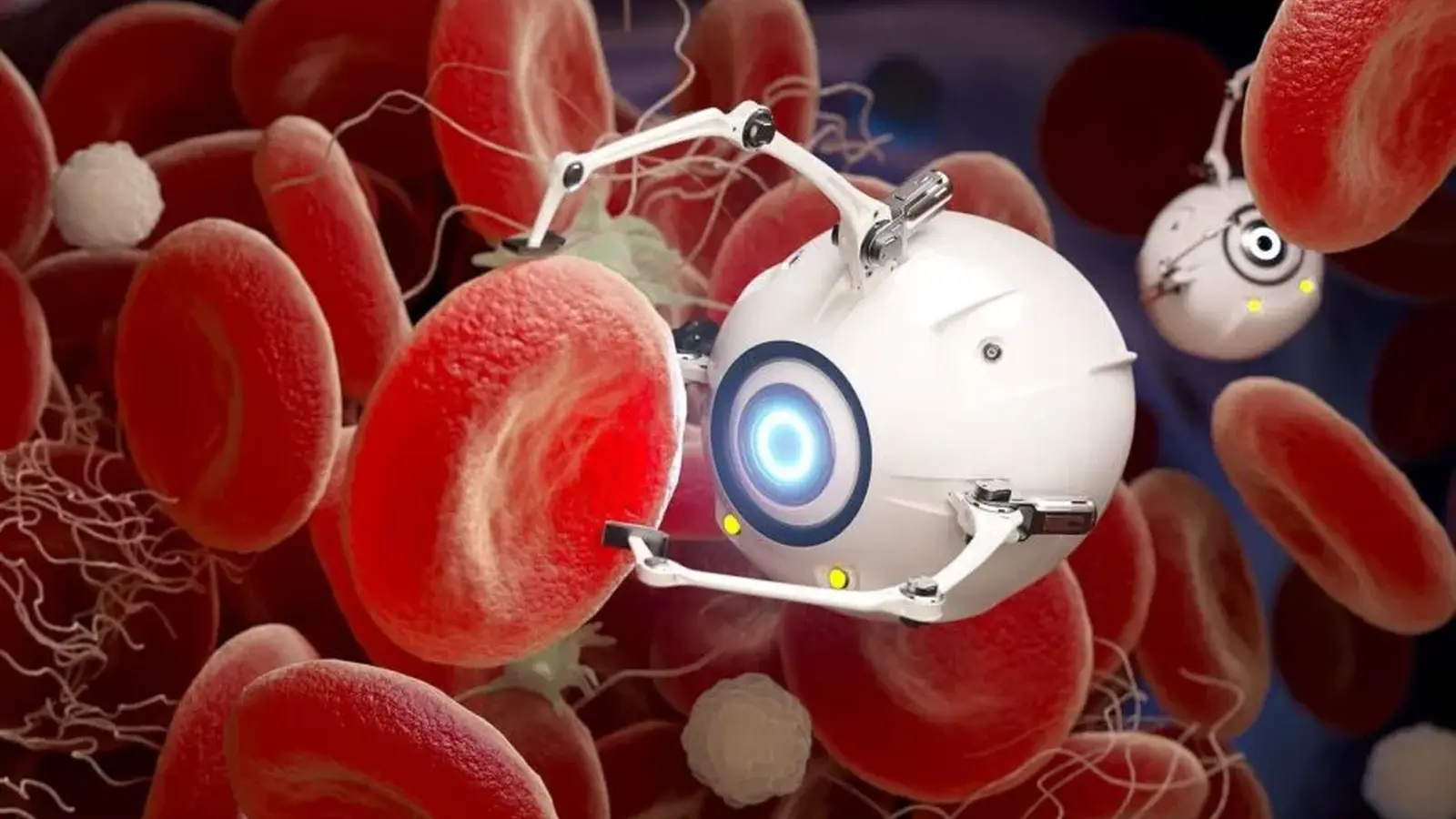
Imagine medicine that navigates the bloodstream like a tiny courier, slipping past the brain's most formidable gatekeeper to deposit treatment exactly where it's needed. Researchers at Caltech have built such couriers: biodegradable nanobots roughly 250 nanometers across that can ferry drugs into the brain and boost delivery by up to five times in animal tests.
How these microscopic agents reach the brain
The brain is shielded by the blood-brain barrier, a tightly regulated cellular layer that blocks many toxins and pathogens. Unfortunately, it also blocks many therapeutic molecules. Getting drugs past that barrier has been a long-standing obstacle for treating brain tumors and a variety of neurological disorders.
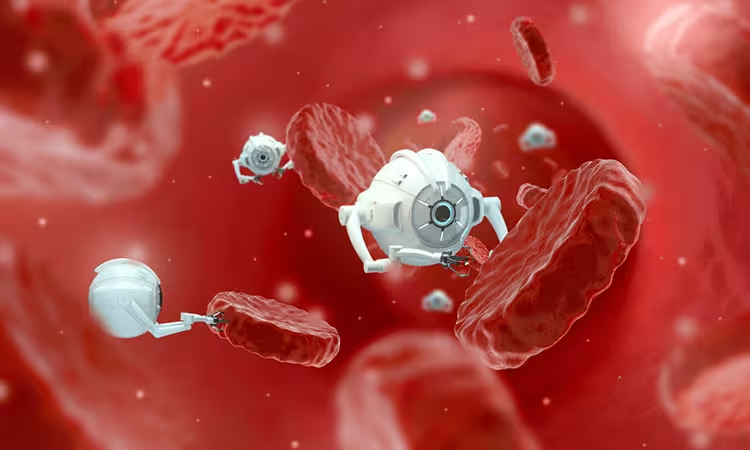
The new system, called BrainBot, uses bubble-like, biocompatible particles loaded with drug cargo. Each particle is tagged with DNA aptamers—short, custom sequences that bind selectively to proteins on the cells forming the blood-brain barrier. After intravenous injection, the aptamers act like molecular zip codes, anchoring the nanobots to the barrier cells.
Targeting alone does not solve the entire problem. To cross the barrier, the team activates the nanobots with near-infrared light applied to the skull region. That light triggers a form of propulsion at the nanoscale, enabling active movement through the barrier rather than relying purely on passive diffusion. The particles then release their payload inside brain tissue.
What the experiments showed
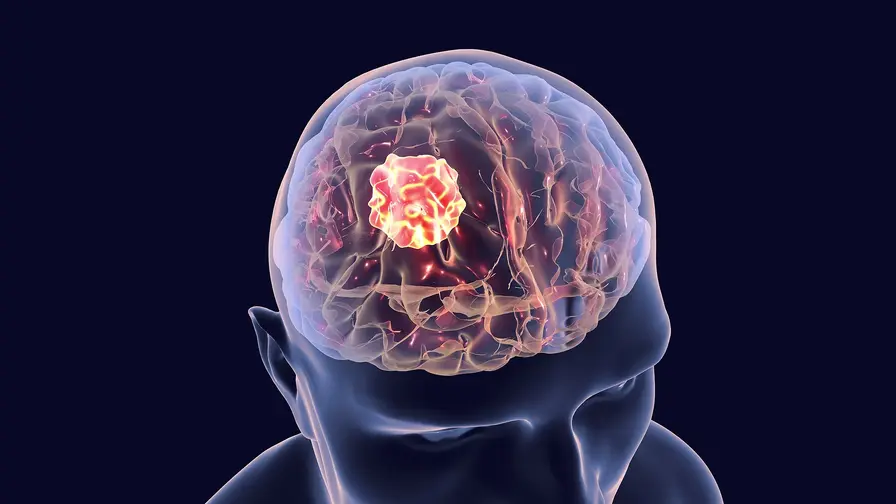
In mouse models of glioblastoma, a highly aggressive brain cancer, BrainBots carrying chemotherapeutic drugs increased the amount of drug entering the brain by as much as fivefold compared with standard systemic dosing. Not only did more drug reach the tumor, but tumor growth slowed and overall systemic toxicity fell, making the treatment less harmful to the rest of the body.
Wei Gao, a professor of bioengineering at Caltech and lead author on the study published in Science Robotics, said the initial results exceeded expectations. He and his colleagues had wondered whether propulsion at the nanoscale could overcome the fast flow of blood and still meaningfully increase penetration. The data surprised them.
Independent voices in the field reacted with cautious optimism. Karen Noble, director of research and policy at the charity Brain Tumour Research, described the approach as potentially transformative if its safety and efficacy translate to humans. Roslyn Bill, a biotechnology professor at Aston University, called the work a promising demonstration of engineering and biology working in concert to break a major barrier in drug delivery.
Key advantages and technical considerations
- Targeting precision: DNA aptamers enable selective binding to barrier cells, reducing off-target effects.
- Active transport: Light-activated propulsion increases the likelihood of crossing the barrier versus passive carriers.
- Biodegradability: Materials are designed to break down safely after delivering their payload.
Still, several hurdles remain. What works in mice does not always work in humans. The human skull and thicker tissue layers complicate light delivery; scaling activation through deeper tissue will require engineering solutions. Long-term safety, immune response, and manufacturing reproducibility also need thorough evaluation before clinical trials can begin.
Implications beyond cancer
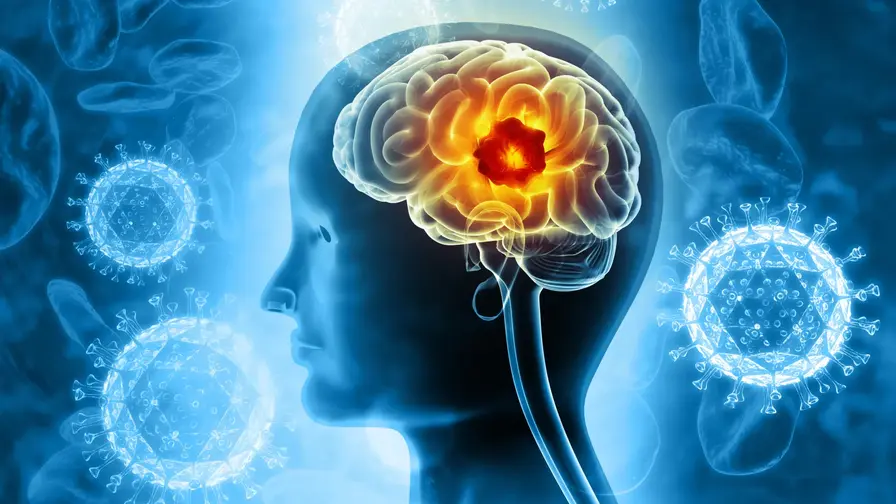
The team notes that the platform is not limited to chemotherapy. Parkinson's disease, certain genetic disorders, and other central nervous system conditions that struggle with drug access could benefit. Imagine delivering a neuroprotective agent directly to affected regions, minimizing systemic exposure and side effects. The idea is compelling, but translation will be incremental and evidence-driven.
Expert Insight
"This kind of targeted, active delivery changes how we think about treating disorders behind the blood-brain barrier," says Dr. Elena Morales, a fictional but realistic neurologist specializing in translational therapeutics. "The core challenge is balancing enough propulsion and activation to get drugs where they are needed while ensuring immune tolerance and long-term safety. If those boxes can be checked, the clinical impact could be profound."
Next steps for the technology
The authors have published their findings in Science Robotics and emphasize a careful road ahead. Engineering improvements for deeper light penetration, expanded safety testing in larger animal models, and scaled manufacturing protocols are logical next moves. Collaboration with clinicians and regulatory experts will be essential to design trials that answer both efficacy and safety questions.
The idea of microscopic machines carrying medicine into the brain no longer belongs only to science fiction. It is now an experimental platform with clear early promise. Whether BrainBots evolve into a practical clinical therapy will depend on rigorous follow-up studies, but this work adds a new and inventive tool to the kit for overcoming one of medicine's oldest barriers.

“The cosmos has always fascinated me. I write about space missions, astronomy, and the technologies pushing humanity beyond Earth.”

Discussion
Leave a Comment
Comments (1)
Five times more drug reaching the brain in mice is wild. Hope they can figure out the light issue in humans too