
.webp)
Imagine a production line inside a dish that keeps making immune cells on demand. Not mature cells that fall apart the moment you try to scale them, but progenitors that can be expanded, edited and sent into the body to do their work. That is the image driving new results from a team led by researchers at USC Stem Cell: a renewable source of granulocyte-monocyte progenitors, or GMPs, that can be engineered to yield macrophages with therapeutic functions.
.avif)
Engineered immune cells (red) attacking breast cancer cells (blue). The red cells are genetically engineered macrophages designed to selectively recognize, engulf and destroy breast cancer cells (blue), demonstrating a promising new cell-based immunotherapy approach.
Why start upstream?
Macrophages are natural first responders. They infiltrate tissues, swallow pathogens and dying cells, and help orchestrate broader immune responses. For solid tumors, where many T cell therapies stumble because of poor infiltration or suppressive microenvironments, macrophages offer a direct route into the tumor mass. Practical obstacles stand in the way, however. Mature macrophages are notoriously difficult to expand in vitro, hard to genetically modify efficiently, fragile when frozen, and prone to sequester in organs like the lungs and liver instead of circulating to tumor sites.
The USC-led team took a different tack. Rather than force production at the end of the line, they moved one step back. Granulocyte-monocyte progenitors are a committed progenitor population that naturally gives rise to macrophages and related myeloid cells. The researchers developed conditions that let GMPs proliferate long term in the lab without losing their identity. Those progenitors can then be edited or equipped with synthetic receptors before maturing into the effector macrophages clinicians want to deploy.
How the platform works
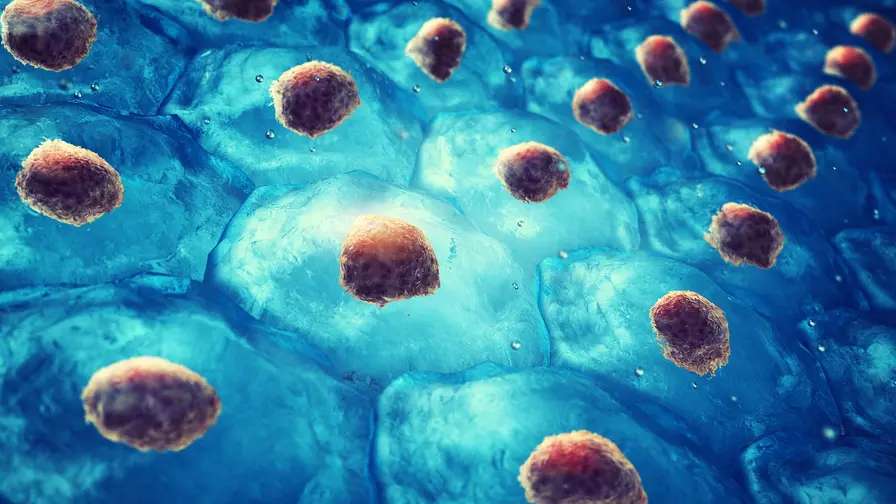
At the technical level the group used a defined cocktail of factors to maintain GMPs in a self-renewing state. Under those conditions the cells divided repeatedly while preserving molecular markers that identify them as GMPs. Importantly, the cells retained the capacity to differentiate into functional macrophages and other myeloid lineages when prompted.
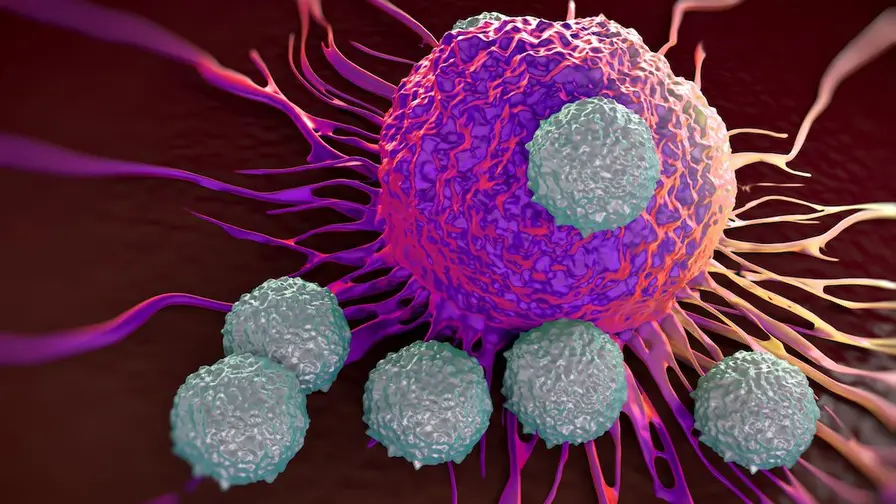
To test therapeutic potential, the investigators engineered GMPs with chimeric antigen receptors, or CARs, that target specific tumor antigens. In some experiments they also added a second engineered signal intended to recruit and activate nearby immune cells, amplifying anti-tumor responses beyond the CAR-bearing progeny themselves. The dual strategy is a practical attempt to solve two common problems at once: getting engineered cells into tumors and converting the local immune environment from suppressive to stimulatory.
In mouse studies the engineered GMPs engrafted inside bone marrow and other hematopoietic niches. From those sites they continued to produce daughter cells, including CAR-equipped macrophages, over extended periods. That ongoing supply contrasts with therapies that infuse mature macrophages and watch them clear rapidly, leaving a narrow window of action. When tested in models of both blood cancers and solid tumors, CAR-modified GMPs slowed disease progression, and GMPs carrying the additional immune-activating signal delivered greater therapeutic benefit.
Why this could change manufacturing
Manufacturing cell therapies at scale demands starting materials that are amenable to expansion, manipulation and storage. Hematopoietic stem cells have long been prized for their self-renewal, but they are pluripotent for blood lineages and can be difficult to program without side effects. Mature immune cells, conversely, are often short-lived and fragile. GMPs sit between these extremes: committed enough to produce desired myeloid cells, yet capable of sustained expansion under the right conditions.
Another practical implication is the potential for off-the-shelf products. The USC team showed that some engineered GMP functions persisted even when donor cells and recipients were not immunologically matched. If reproducible and safe in humans, that could allow pre-manufactured GMP lines to be produced in advance, lowering cost and time-to-treatment compared with bespoke therapies derived from each patient.
Beyond cancer: infection and genetic disease
The researchers did not limit experiments to oncology. In mouse models of chronic granulomatous disease, an inherited defect in the ability of certain immune cells to kill bacteria, GMP-derived cells restored antibacterial defenses. That suggests a wider range of clinical targets: infectious disease, inherited immune deficiencies and other conditions where supplying a durable, functional myeloid compartment could restore health.
The broader conceptual shift is simple but powerful: the developmental stage you choose as the starting point for a cell therapy matters. Different stages carry distinct advantages for expansion, editing, engraftment and longevity. Choosing progenitors rather than terminally differentiated cells can change the balance in favor of durability and manufacturing feasibility.
What peers say
Qi-Long Ying, MD, PhD, the paper's corresponding author and professor of stem cell biology and regenerative medicine at the Keck School of Medicine of USC, summarized the thrust bluntly: the work establishes a scalable and engineerable GMP platform for cellular immunotherapy with implications for both cancer treatment and stem cell biology. Collaborators at Stanford, including Ravi Majeti, MD, PhD, independently reproduced key aspects of the approach, reinforcing its robustness for translational research.
Expert Insight
"This is a pragmatic pivot that tackles some of the hardest bottlenecks in cell therapy manufacturing," says Dr. Elena Park, a fictional immunotherapy scientist at a major research university who follows myeloid engineering closely. "By shifting the starting point to a renewable progenitor, you get a much larger window for genetic editing, selection and quality control. That can make off-the-shelf products feasible in a way that mature-cell strategies struggle to match."
Dr. Park adds a caution: "Mouse experiments are promising, but human translation raises immune compatibility and safety questions that will need rigorous testing. Still, the concept is elegant and worth advancing to clinical-scale models."
Technical and ethical considerations
Several technical hurdles remain. Long-term culture can select for unintended variants, so rigorous genomic and functional screening will be required to ensure safety. Off-the-shelf products reduce logistical barriers but increase the need for robust immune-evasion strategies or transient immunomodulation at the time of infusion. Manufacturing pipelines must also demonstrate consistent potency across lots and donors.
Ethical and regulatory pathways will need to keep pace. Progenitor-based products sit at the intersection of stem cell biology and gene therapy regulation, drawing scrutiny for both genetic edits and the potential for long-lived engraftment. Transparent reporting of preclinical safety, dose-finding studies and carefully designed early-phase trials will be essential steps.
Conclusion
The USC Stem Cell-led work reframes a longstanding problem: how to bring the natural advantages of macrophages to the clinic without being defeated by manufacturing constraints. By harvesting the scalability of GMPs and combining that with targeted engineering, researchers have a new lever to pull. The findings open practical pathways for therapies that need tissue infiltration and sustained local action, including hard-to-treat solid tumors and certain immune deficiencies. The next phase is deliberate translation: robust safety testing, scaled manufacturing studies and early clinical trials that will show whether the promise of progenitor-derived immunotherapies holds up in people.

“My work centers on sustainability, energy, and environmental science — examining how innovation can lead to a greener future.”

Discussion
Leave a Comment
Comments (3)
Feels a bit overhyped, imo. The progenitor idea has legs but scaling, QC and immune matching are big hurdles. If they nail safety and consistent lots, could be a game changer, but that's a big if.
Wait, are these GMPs actually safe long-term? seems promising but long culture can pick up mutations, right??
Whoa a factory in a dish, mind blown! But immune rejection worries me… can they control that? kinda excited tho