
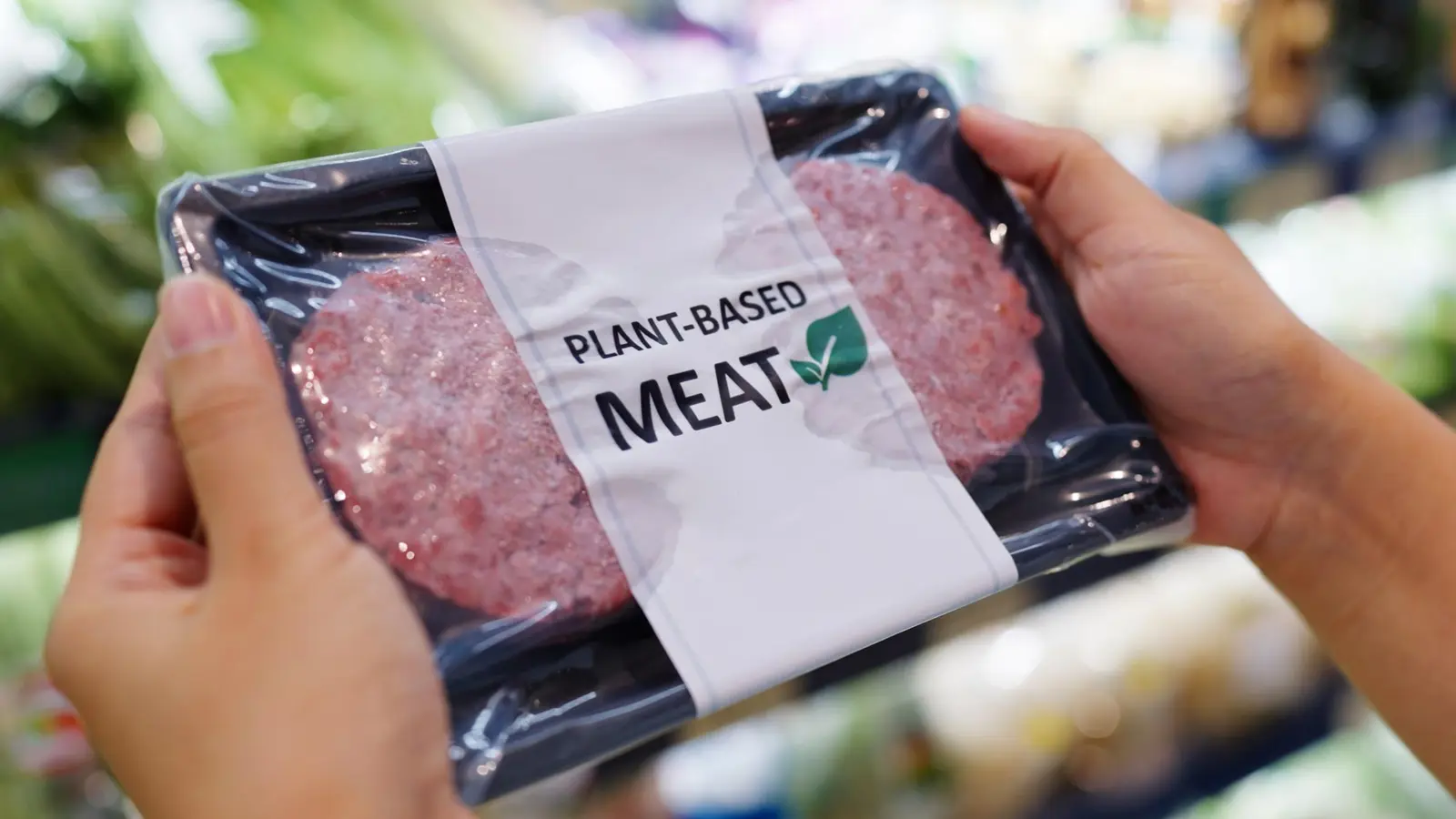
Open a supermarket fridge and you might find more than jackfruit or oat milk. You could also be holding tiny, naturally produced fungal toxins that scientists call mycotoxins.
A new investigation led by the University of Parma, with coauthors at Cranfield University, tested 212 plant-based products sold in the UK and found at least one mycotoxin in every sample. The survey covered a wide range of items, from vegan burgers, sausages and chicken-style pieces to oat, almond and soy drinks. In total, researchers identified 19 different mycotoxins, and some products contained several simultaneously.
Why mold matters in modern plant diets
Mycotoxins form when common fungi colonize crops and ingredients during growth, harvest or storage. Grains, legumes and seeds are particularly vulnerable, so the shift toward plant-derived proteins and beverages inevitably carries an old agricultural problem into new food formats.
On the surface that sounds alarming. The study offers important reassurance: the measured levels were below existing European Union guideline limits, reflecting the strength of current food-safety controls in the UK. A single portion is unlikely to cause acute harm. Yet the real question is exposure over time. What happens if someone builds a diet largely from these plant-based alternatives?
Accumulation matters. Repeated intake of low-dose mycotoxins can raise total lifetime exposure. Public health specialists worry that long-term exposure, even at low levels, could contribute to liver and kidney damage, weaken the immune system, or in extreme cases raise cancer risk. That risk depends on which mycotoxins are present, their concentrations, and how frequently people consume those items.

A survey of vegan and vegetarian products found that every item tested contained at least one naturally occurring mycotoxin.
Andrea Patriarca, Senior Lecturer in Mycology at Cranfield University, frames the findings practically: "Mycotoxins occur naturally in foods and cannot be completely avoided. Consumers should not be frightened away from a varied diet. But as new food products arrive, we need better monitoring and risk assessment, especially for multi-ingredient items."
Researchers argue that current oversight should expand beyond final products. Monitoring raw materials more thoroughly, and integrating mycotoxin management across supply chains, will give a clearer picture of dietary exposure and help regulators set priorities. The Parma-Cranfield team is using these data to refine risk assessments for different eating patterns and to inform policymakers about vulnerable groups.
This is not a plant-based food ban. Rather, it is a prompt to industry and regulators: update surveillance and testing to match dietary trends. Manufacturers can reduce risk by sourcing ingredients with stronger storage controls, applying regular testing, and designing recipes that dilute high-risk inputs. Consumers can reduce personal exposure by choosing variety and balancing plant-based items with other foods.
The study provides a foundation for more targeted research. Future work will need to map which ingredients drive the highest exposures, how processing affects toxin levels, and what cumulative health impacts could look like for different populations. Until then, the simple takeaway is this: plant-based does not mean risk-free, but sensible monitoring and diversified diets can keep that risk low.


“My work centers on sustainability, energy, and environmental science — examining how innovation can lead to a greener future.”

Discussion
Leave a Comment
Comments
No comments yet. Be the first.