
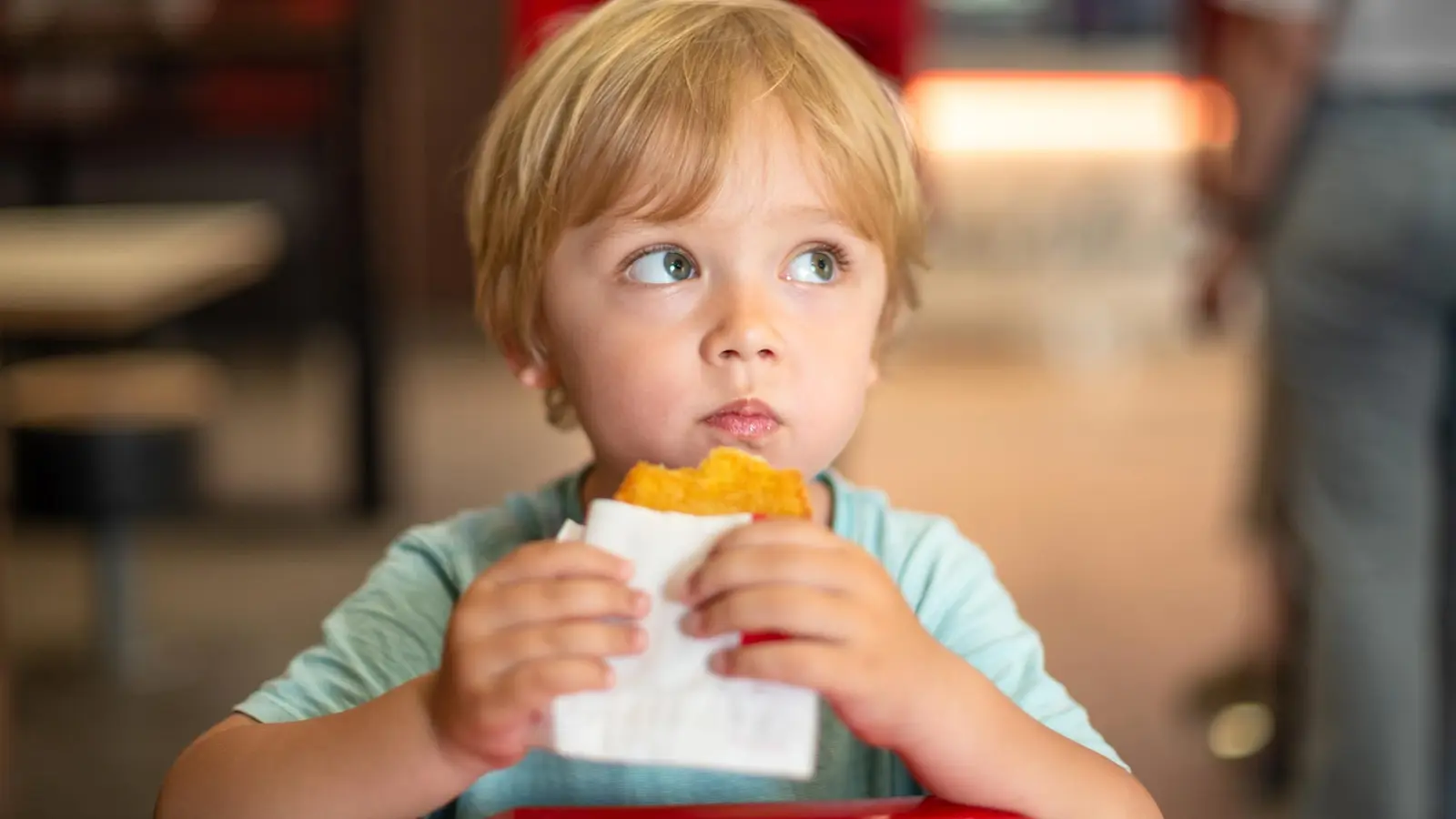
When a toddler reaches for a brightly colored pouch or a boxed meal, the choice feels simple: convenience wins. But new evidence from Canada suggests those small decisions may echo in a child’s behavior years later. a large Canadian study has uncovered a link between preschoolers’ consumption of ultra-processed foods and later behavioral and emotional challenges.
Researchers affiliated with the University of Toronto tracked dietary patterns at age three and then measured emotional and behavioral outcomes two years later. The headline finding is clear: higher shares of calories from ultra-processed foods were associated with more reported difficulties, including anxiety, fearfulness, aggression, and hyperactivity.
What the study measured and why it matters
The team used data from the CHILD Cohort Study, a long-running, population-based project that began by enrolling pregnant women between 2009 and 2012 and has followed offspring across multiple Canadian sites. For this analysis, dietary records from more than 2,000 children at age three were paired with behavioral assessments at age five using the validated Child Behavior Checklist, a widely used instrument for tracking emotional and behavioral health in young children.
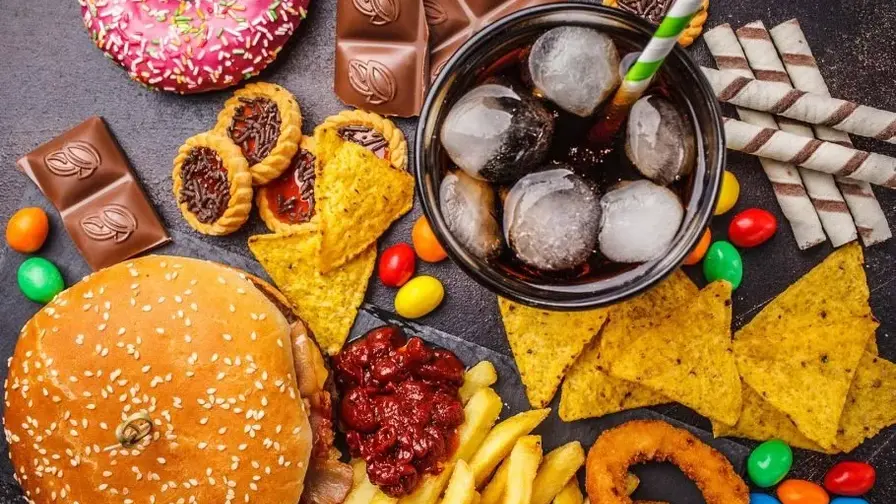
Ultra-processed foods are industrial products composed mainly of refined ingredients, additives, and formulations you would not normally prepare at home. Think sweetened drinks, ready-to-heat dinners, packaged snacks and many convenience items. In Canada, these items make up almost half of preschoolers' caloric intake.
The association the researchers report is quantitative and consistent. For every 10 percent increase in calories from ultra-processed foods, children tended to score higher on measures of internalizing behaviors (for example, anxiety and withdrawal), externalizing behaviors (for example, aggression and hyperactivity), and an overall composite of behavioral challenges. Higher scores indicate more problems as reported by caregivers.

Foods that stood out
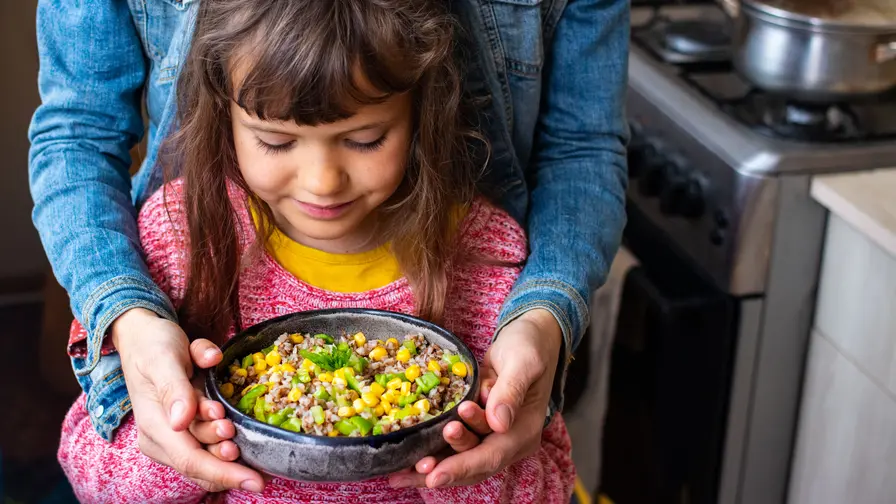
Certain categories of ultra-processed products showed stronger links than others. Sugar-sweetened beverages and artificially sweetened drinks were among the most strongly associated items, alongside ready-to-eat or ready-to-heat foods such as French fries and boxed macaroni and cheese. Statistical models that simulated dietary change suggested that replacing 10 percent of energy from ultra-processed items with minimally processed foods (whole fruits, vegetables, and similar single-ingredient options) corresponded with lower behavioral difficulty scores.

Professor Kozeta Miliku.
The lead investigator, Kozeta Miliku, an assistant professor of nutritional sciences at the University of Toronto, emphasized the timing. Early childhood is a window for both rapid brain development and the formation of eating habits. Miliku and colleagues argue that modest shifts in diet during this period may have measurable benefits for emotional and behavioral development.
Scientific context and possible mechanisms
Why might ultra-processed foods influence behavior? The research does not prove causation, but there are plausible biological and social pathways. Nutrient profiles of ultra-processed diets can be lower in fiber, vitamins, and essential fatty acids, and higher in added sugars, refined starches, salt, and industrial fats. These nutritional differences can affect sleep, gut microbiota, inflammation, and metabolic regulation, all of which have been linked to mood and behavior in experimental and observational studies.
There are also behavioral and environmental factors. Convenience foods often replace shared family meals and the routine of eating whole foods. They can alter energy balance and promote rapid changes in blood glucose, which in turn can influence attention and activity levels in young children.
The study adds to a growing body of work connecting ultra-processed diets with obesity risk, metabolic disease, and now, emerging evidence for ties to behavioral and emotional outcomes across life stages.
Practical implications for families and policy
What can caregivers do with this information? The researchers and child nutrition specialists point to practical, incremental strategies: offer whole fruit instead of packaged desserts, replace sugar-sweetened beverages with water or milk, and choose simple home-cooked options when possible. The study authors also call for broader policy responses, such as nutrition standards in child-care settings, clearer labeling, and reformulation of packaged products to reduce harmful components.
The report recognizes real-world constraints. Not every family has easy access to fresh ingredients, nor the time to prepare meals from scratch. Convenience, cost, and cultural preferences all shape food choice. Still, the message here is not perfection. Even small dietary shifts appear to correlate with better behavioral trajectories in early childhood.
Expert Insight
Dr. Elena Torres, a pediatric nutrition researcher not involved in the study, offered a practical perspective: 'This research helps translate population data into everyday decisions. Parents do not need to overhaul their household in a week. Start by swapping one sugary drink or one packaged snack a day for a whole food alternative. Over months, those small changes add up and can support both physical health and emotional regulation.'
Dr. Torres also flagged equity issues: 'Policy matters. We need supports that make minimally processed foods affordable and accessible to all families. Schools and child-care programs are powerful levers for change.'
Conclusion
The Canadian cohort analysis does not settle cause and effect, but it strengthens the case that early diet quality and the proportion of ultra-processed foods in a preschooler’s diet are worth attention. For clinicians, educators, and policymakers, the findings underscore an opportunity: by making modest, achievable shifts toward minimally processed options at home and in care settings, communities may help nurture not only healthier bodies but also steadier moods and behavior in young children.

“My work centers on sustainability, energy, and environmental science — examining how innovation can lead to a greener future.”

Discussion
Leave a Comment
Comments (2)
is this even true? observational study, many confounders, parents report behavior… could be bias, or real. curious tho
wow, that stuck with me... Little choices matter. Scary that half their calories are ultra-processed, huh? Need better policies