
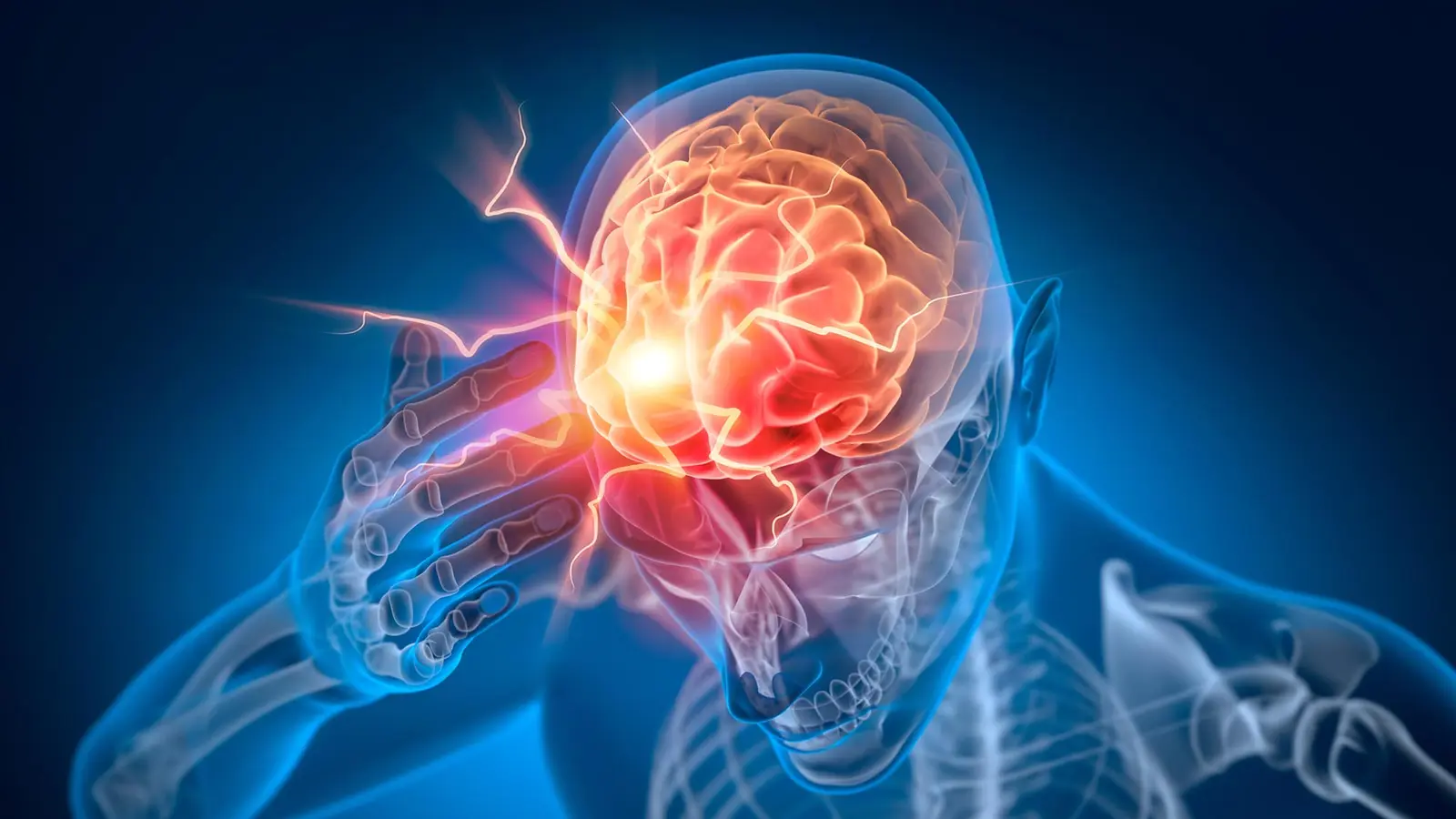
Imagine a healthy person in their thirties collapsing with symptoms that look, at first, like something only older adults get. Trouble speaking. One-sided weakness. In some cases, a recreational habit sits uncomfortably close to the moment a brain injury appears.
Vast datasets reveal a worrying pattern
A team led by the University of Cambridge has pooled evidence from studies that together encompass more than 100 million people to ask a blunt question: do commonly used recreational drugs increase the chance of stroke? The short answer from their meta-analysis, published in the International Journal of Stroke, is yes for several substances.
When researchers combined hundreds of studies, they found that cocaine and amphetamine use roughly doubled the risk of stroke. Cannabis was linked to a smaller but still notable rise in risk. The figures vary by age. Among people younger than 55, the signal for amphetamines becomes especially strong, with use associated with an almost threefold increase in stroke risk. Cannabis and cocaine remain implicated, though the relative increases differ.
These are not small studies stitched together. Meta-analysis lets researchers amplify signals buried in smaller or inconsistent reports. With this scale, previously uncertain links sharpen into patterns that merit attention from clinicians and public health officials alike.

Genetics helps separate cause from coincidence
Correlation does not prove cause. People who use drugs often share other risk factors: smoking, unstable housing, limited access to care. To test whether drug use itself might be causal, the team applied a technique called Mendelian randomization. That approach uses natural genetic variation tied to a behavior or trait as a kind of randomized experiment, helping to infer whether an exposure is likely to cause an outcome.
Using genetic data, the study reported that cocaine use disorders were particularly associated with brain hemorrhages and with cardioembolic stroke, where clots from the heart travel to block blood vessels in the brain. Cannabis use disorders were linked especially with large artery stroke. The genetic evidence therefore supports more than mere association; it points toward a causal role for some substances.
One caveat: the team could not run the same genetic tests for amphetamines because sufficiently large genetic datasets that include amphetamine use do not yet exist. That gap leaves some uncertainty, even as observational data point strongly in the same direction.
How drugs can trigger a stroke
There are several plausible biological routes by which recreational drugs can precipitate stroke. The mechanisms differ by drug, but shared pathways include sudden spikes in blood pressure, spasm and narrowing of blood vessels, disturbances in heart rhythm, increases in blood clotting, and inflammation of blood vessels.

Key mechanisms to watch
- Hypertensive surges that rupture small vessels.
- Vasospasm that cuts off blood supply to brain tissue.
- Cardiac arrhythmias that generate emboli and cause cardioembolic stroke.
- Pro-coagulant changes and inflammation that favor ischemic events.
For cannabis, some evidence points to increased clotting. Amphetamines have been tied to inflammatory reactions in vessel walls. Cocaine is notorious for sharply raising blood pressure and provoking vessel spasm. Combined, these effects explain why both ischemic strokes, caused by blocked arteries, and hemorrhagic strokes, caused by bleeding, appear in people who use these substances.
Public health and clinical implications
Stroke is a leading cause of death and long-term disability worldwide. Many established risk factors, such as hypertension and smoking, are preventable or modifiable. If recreational drug use is itself a causal contributor to stroke, then reducing use could become a target for stroke prevention campaigns, especially among younger adults who historically face lower risk.
The study’s authors emphasize that their findings strengthen the case for public health measures aimed at reducing substance abuse. Clinicians should also consider recent or ongoing drug use when assessing stroke risk in younger patients. That context can affect diagnosis, acute management, and secondary prevention strategies.
Expert Insight
Dr. Anna Patel, a consultant neurologist not involved in the study, said: "These results change how we should think about stroke in younger adults. When a patient presents with stroke-like symptoms, a recent history of stimulant or cannabis use is not merely a detail. It can point toward specific causes and guide urgent testing and treatment. From a prevention perspective, this reinforces the need to treat substance use as a vascular risk factor, not just a social problem."
The findings also intersect with policy debates about drug regulation and education. As cannabis laws change in some countries and stimulant use patterns shift with availability, understanding long-term vascular risks becomes more urgent.
Where research should go next
Important gaps remain. Researchers need larger genetic datasets that include amphetamine use to apply Mendelian randomization consistently across substances. Longitudinal cohort studies that track patterns of use, quantity, and coexisting risk factors will refine our estimates. Finally, mechanistic studies can clarify how specific drugs damage vessels or alter clotting, opening the door to targeted interventions.
In short, the Cambridge-led analysis brings clarity to an area that was previously murky. It reminds clinicians and the public that recreational drugs carry vascular risks that extend beyond addiction and overdose. For some users, the next medical emergency may come in the form of a stroke.


“The cosmos has always fascinated me. I write about space missions, astronomy, and the technologies pushing humanity beyond Earth.”

Discussion
Leave a Comment
Comments (2)
wow, saw a 30yo patient with stroke after heavy stimulant use. Not just anecdotes. Hospitals need protocols, and rehab for vascular damage, not only addiction tx
Is this for real? Young folks dropping from strokes linked to weed and coke... kinda scary. Need clearer public warnings, and more data on amphetamines tho.