

Walk into many clinics and you will find patients surprised to learn their liver is ill. No pain yet. No dramatic collapse. Just routine blood work that nudges a doctor to say "we should keep an eye on this." That small sentence is where prevention still has a chance. But time is running out.
Hidden growth: the scale and why it matters
Liver cancer has quietly climbed global rankings to become the third leading cause of cancer deaths worldwide. In the United Kingdom alone, more than 6,000 people die from liver cancer each year. Numbers like that demand attention because most of the drivers behind this rise are modifiable.
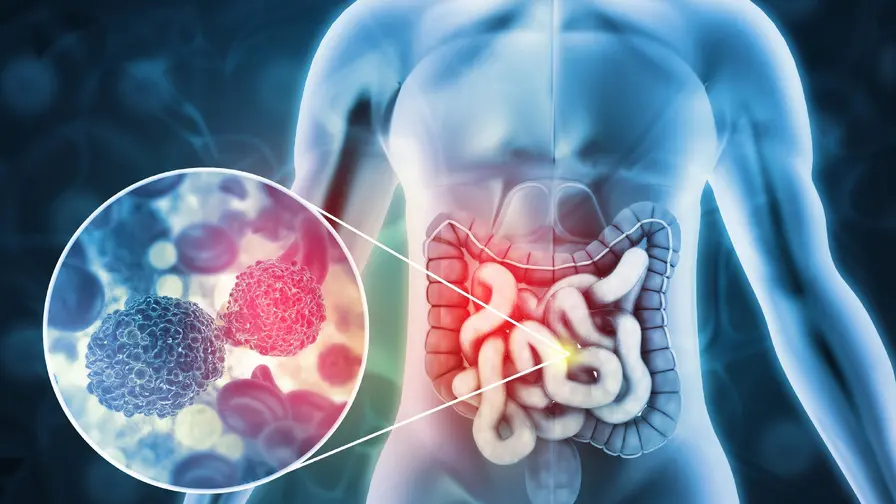
Many cases begin not with an aggressive tumor appearing overnight, but with chronic liver disease. Worldwide estimates suggest roughly one in three adults carries some form of liver abnormality. Often these early changes cause no symptoms. They are invisible in daily life, which makes the condition easy to ignore until advanced disease—when outcomes are far worse.
The familiar culprits are clear: excess alcohol, increasing rates of obesity and type 2 diabetes, viral hepatitis B and C, and diets high in ultra-processed foods. Another major factor is nonalcoholic fatty liver disease, commonly called NAFLD, where fat accumulates in liver cells and can progress into inflammation and scarring known as nonalcoholic steatohepatitis, or NASH. NASH is now a leading pathway to cirrhosis and liver cancer in many countries.
Why many cases are preventable
At least 60 percent of primary liver cancers could be avoided if known risk factors were controlled. That figure is not an abstraction. It reflects decades of epidemiology showing how alcohol, metabolic disease and chronic viral infection drive carcinogenesis in the liver.
Prevention operates on two levels. First, individual choices matter. Cutting down alcohol, stopping smoking, improving diet, and increasing physical activity all reduce liver fat, inflammation and long-term damage. Second, clinical and public health interventions shift population risk. Vaccination against hepatitis B prevents new infections. Modern direct acting antiviral drugs can cure hepatitis C in most people, removing a major cancer driver. Expanded testing means infections and early liver disease can be treated before cancer develops.

Simple screening tools already exist. Blood tests that measure liver enzymes, serological markers for viral hepatitis, and non-invasive scans such as transient elastography can detect fibrosis and cirrhosis earlier than waiting for symptoms. Early detection dramatically improves treatment options and survival.
Barriers beyond biology
Medical science is not the only challenge. Stigma slows progress. Liver disease is often portrayed as self-inflicted, which contributes to shame and delays in seeking help. That narrative is misleading. Alcohol dependence is an addiction that needs clinical support. Obesity has complex roots in environment, genetics and social determinants. Viral hepatitis routes of transmission include birth, medical exposure, and blood-borne pathways, none of which carry moral judgments.
Stigma also shapes policy. When a condition is perceived as an individual failing, public systems are less likely to invest in screening, vaccination and community support. The consequence is predictable: fewer people diagnosed early, lower uptake of curative or preventive treatments, and higher death rates.
Public policy that works
Evidence-based policy interventions exist and have shown measurable effects. For example, the introduction of minimum unit pricing for alcohol in Scotland was associated with a decline in deaths directly related to alcohol. Measures that restrict advertising of alcohol and unhealthy foods, apply warning labels, and adjust taxation to disincentivize harmful products all change the environment that shapes individual choices.
Scaling up vaccination for hepatitis B, and ensuring broad access to hepatitis C testing and curative therapy, are cornerstones of prevention. The World Health Organization set targets to eliminate viral hepatitis as a public health threat by 2030, but current trends indicate many countries will miss that goal unless screening, treatment and vaccination are rapidly expanded.
Practical steps for clinicians and communities
Primary care has a pivotal role. GPs should offer risk-based screening when patients present with diabetes, obesity, or regular alcohol use. Community-based liver health checks can reach underserved populations where rates of liver disease are highest. Addiction services need more funding so people with alcohol dependence get meaningful help rather than blame.
Technology helps. Non-invasive fibrosis testing is becoming cheaper and easier to deploy. Point-of-care hepatitis tests and decentralized treatment models allow care outside specialist centers. Public health campaigns that treat obesity and viral hepatitis as medical conditions rather than moral failings reduce stigma and increase uptake of preventive services.
Expert Insight
"We have the diagnostics, treatments and policy tools to bend this curve," says Professor Jane Mitchell, a hepatologist at the University of Manchester. "What we lack is coordinated political will. Simple measures, from vaccination drives to alcohol pricing, deliver large returns in lives saved and health service demand reduced. If action is delayed, the human and economic costs will continue to rise."
What the future could look like
If countries commit to integrated prevention strategies—combining vaccination, widespread testing, accessible treatment for hepatitis C, improved care for metabolic liver disease, and stronger regulation of alcohol and ultra-processed foods—the trajectory of liver cancer could change within a generation. Investment in primary prevention and early diagnosis also cuts the burden of other conditions, including heart disease and multiple cancers.
Research remains important. Better biomarkers to detect early malignancy, more affordable imaging for resource-limited settings, and interventions that address the social determinants of obesity will strengthen the response. But waiting for perfect tools is not an option when existing measures can already prevent a majority of cases.
Conclusion
Liver cancer is a rising public health threat that, in many cases, has preventable roots. The path forward combines individual clinical care, community outreach, and decisive policy. Governments can act now to reduce exposure to known risks, expand vaccination and treatment for viral hepatitis, and fund services that reach the most vulnerable. Those actions will save lives and relieve pressure on health systems. The choice before us is policy and implementation, not inevitability.

“My work centers on sustainability, energy, and environmental science — examining how innovation can lead to a greener future.”

Discussion
Leave a Comment
Comments (3)
I've seen this in my family, uncle delayed checkups cuz embarrassed. Prevention helps but services need to reach people, urgent fix pls
is this even true about 60% preventable? sounds optimistic but how do they count cases, curious…
wow didnt expect liver cancer to be this preventable, kinda angry and hopeful at once. If politicians acted faster, lives saved. not cool how stigma stops care