
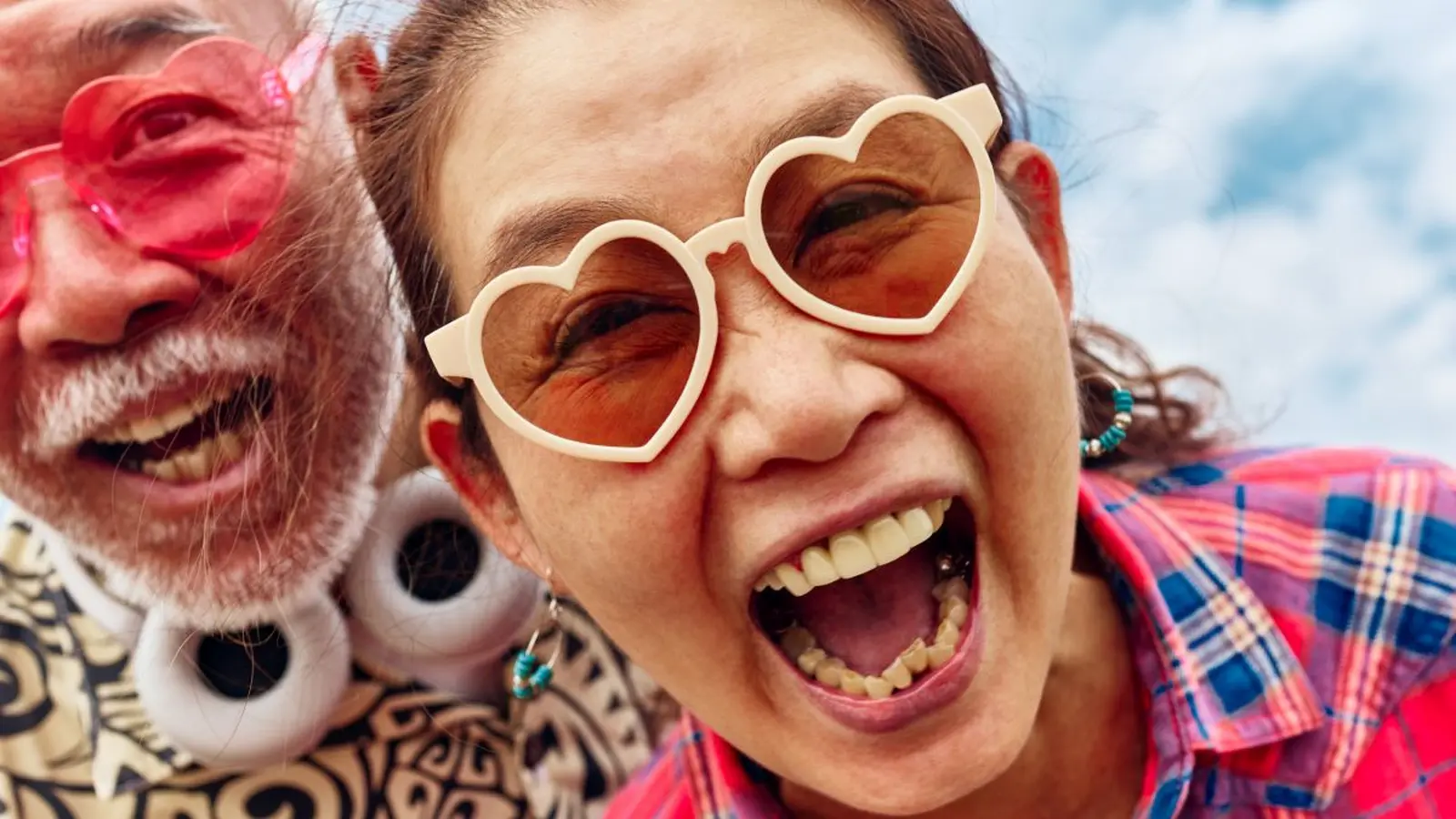
Curiosity may be the quiet trait that helps some people reach 100 years and beyond. It is not a magic pill. It is a pattern: a willingness to learn, to try, to stay mentally engaged. That simple tendency showed up in a study from Sardinia where researchers looked beyond diet and exercise to the personalities of older adults.
Researchers led by psychologist Maria Chiara Fastame at the University of Cagliari examined residents of Sardinia's so-called Blue Zone, a place often associated with exceptional longevity. They compared 55 adults aged 71 to 101 who live inside the Blue Zone with 70 peers from a neighboring community that shares similar culture and access to the same public health services. The goal was to tease apart how personality traits correlate with health-related quality of life and daily behaviors linked to long life.
What stands out from the results is not a single lifestyle practice but a personality dimension: openness. People in the Sardinian Blue Zone scored noticeably higher on openness, a Big Five trait that signals curiosity, intellectual engagement, and a readiness to try new things. This trait correlated with greater participation in mentally and physically stimulating leisure activities and superior coping skills.

Why personality matters in the long run
Personality does not operate in isolation. Genes, environment, diet, and social networks all play major roles in shaping health outcomes. Still, personality channels behavior. Ask a question: does being curious change how you age? The study suggests it does, indirectly. Someone open to new ideas is more likely to pick up hobbies, maintain social ties, and seek novel experiences that keep cognition active and mood resilient.
The team measured the Big Five traits—openness, conscientiousness, extraversion, agreeableness, and neuroticism—alongside health-related quality of life (HRQoL), psychological well-being, leisure engagement, and coping skills. Across the whole sample, higher openness linked with better psychological well-being and more time spent on hobbies. Conscientious individuals reported greater life satisfaction and coping ability. By contrast, higher neuroticism tended to correlate with poorer health-related quality of life.
These associations are not claims of causation. The study is observational and relatively small, meaning it cannot prove personality causes longevity. Yet the patterns are meaningful: personality traits shape daily choices, and those choices accumulate over decades.
Mechanisms and implications for healthy aging
Several plausible mechanisms could explain the link between openness and healthier aging. Cognitive engagement protects against decline. Hobbies that combine social interaction and mental challenge—learning an instrument, gardening with neighbors, or volunteering—stimulate neural networks and sustain purpose. Better coping skills reduce the physiological burden of chronic stress, while curiosity promotes adaptive problem-solving when health challenges arise.
Importantly, the researchers did not find higher overall HRQoL among Blue Zone residents compared with nearby participants. That nuance matters. Longevity does not always come with uniformly superior health scores at a single point in time. What openness appears to do is favor behaviors and psychological resources that increase the odds of remaining active, socially connected, and resilient—factors that can contribute to a longer, more engaged life.
How could this influence public health? Interventions aimed at promoting lifelong curiosity and accessible opportunities for cognitive engagement may complement familiar advice about diet and exercise. Programs that encourage new skills, lifelong learning, and community-based hobbies could help older adults develop routines that support physical and mental health.
Study limitations and future directions
The authors are candid about limits. The sample size is modest, and cultural specifics of Sardinia may not generalize worldwide. Longitudinal data are needed to test whether traits like openness precede healthier trajectories or whether healthier living reinforces those traits. Biological links, such as stress hormone pathways or neuroplasticity associated with mental activity, remain to be clarified.
Still, the findings add to a growing literature suggesting psychological traits interact with lifestyle to influence aging. Other long-term centenarian studies have pointed to factors such as a sense of purpose, intergenerational roles, and social embeddedness as contributors to longevity. Personality may be one thread within that tapestry, helping explain why some people adopt and sustain habits that favor long life.
Expert Insight
Dr. Elena Rossi, a behavioral gerontologist at the University of Milan, who was not involved in the study, puts it this way: "Openness is not just intellectual curiosity. It shapes how people engage with their world. When you are open, you are more likely to take up new activities, connect with different people, and adapt when circumstances change. Those behaviors matter more over a lifetime than any single diet or workout."
She adds, "Designing communities that offer low-barrier opportunities for learning and social participation could be a practical route to healthier aging at scale."
Conclusion
The Sardinian study does not promise a simple formula to reach 100. It does remind us that personality influences the choices that accumulate into a life. Openness—curiosity, playfulness, a taste for novelty—appears linked to more active lifestyles, better coping, and richer engagement in leisure. These are ingredients that complement nutrition, exercise, and social support.
For policymakers and communities, the takeaway is actionable: cultivate environments that invite exploration, learning, and social participation across the lifespan. For individuals, the message is modest and empowering: stay curious. Try something new. It might matter more than you think.

“My work centers on sustainability, energy, and environmental science — examining how innovation can lead to a greener future.”

Discussion
Leave a Comment
Comments (2)
Seen it with my grandma, she kept tinkering, learned new stuff, stayed sharp. Could be part of it, not a miracle but real, quick thought.
Curiosity sounds nice, but is openness really causal? small Sardinia sample, cultural quirks, maybe reverse causation.. if that’s real tho, interesting.