
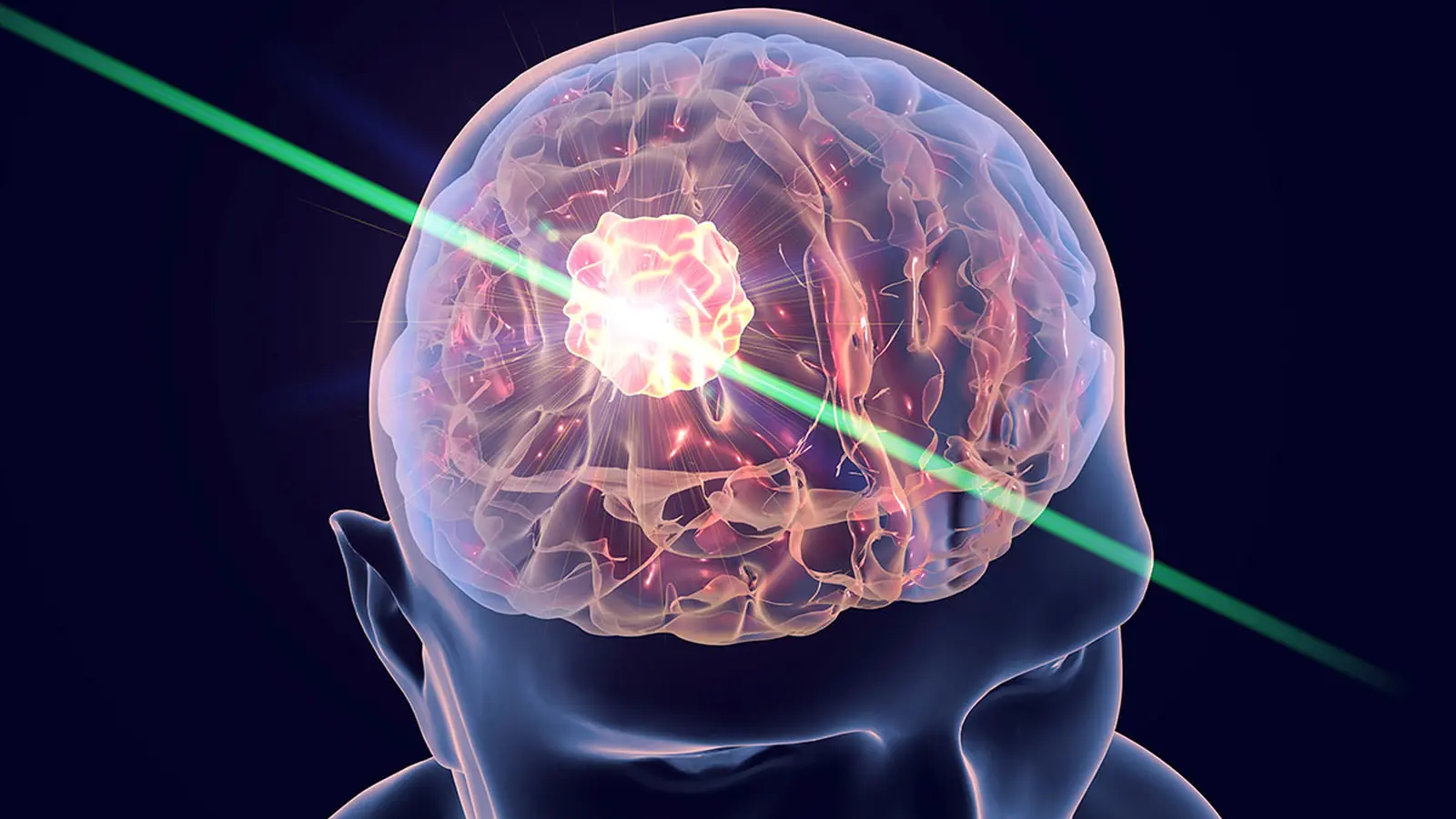
Glioblastoma is a shape-shifter. It grows fast, repairs the damage we inflict with radiation and chemotherapy, and then comes back. That resilience is why this brain tumor remains one of the deadliest cancers.

Glioblastoma is an aggressive brain cancer known for rapid growth, treatment resistance, and frequent recurrence. Its ability to adapt to radiation and chemotherapy has made it one of the most difficult cancers to treat.
Where the tumor hides its defense
Researchers at The Ohio State University Comprehensive Cancer Center have homed in on a molecular shield the tumor uses. The enzyme PP2A acts like a cellular brake for growth and for the repair processes that follow treatment. Glioblastoma cells, it seems, neutralize that brake by relying on a trio of inhibitory proteins: SET, ANP32A, and CIP2A.
Why does that matter? If PP2A is blocked, cancer cells can repair themselves quickly and live on. If PP2A activity is restored, those repair pathways falter and tumor cells become more vulnerable to radiation and chemotherapy. It is the difference between a cell shrugging off treatment and a cell that collapses under it.
SET stands out in lab tests
In preclinical models, suppressing SET produced the strongest effect among the proteins tested. Tumors struggled to form. Surviving cancer cells were fewer, and those that remained were more sensitive to radiation. Similar benefits, though smaller, came from targeting ANP32A and CIP2A.
What the experiments showed
- Blocking SET reduced tumor initiation in animal models.
- In cell cultures, inhibiting PP2A suppressors increased radiation sensitivity.
- A well-known antipsychotic drug that can enhance PP2A activity produced signals consistent with the proposed strategy, offering an additional lead for drug repurposing research.
These are early results. They map a biological pathway that could be drugged, but mapping is not the same as having a safe, effective therapy ready for people.
"Glioblastoma is hard to treat because it can adapt and survive," said Arnab Chakravarti, MD, chair of radiation oncology at the OSUCCC. "Our findings suggest that restoring PP2A activity may make glioblastoma cells less able to survive treatment."
Clinical road ahead and realistic limits
Translating these findings into patient care will take time. The work so far is preclinical. That means cell lines and animal models, not human trials. The team is now testing whether SET and the other PP2A suppressors can be targeted safely and whether those interventions actually improve responses to standard therapies used in glioblastoma patients.
One intriguing detail: investigators evaluated an FDA-approved antipsychotic known to boost PP2A activity. Its behavior in the lab gives extra reason to explore drugs affecting this pathway. But the researchers are clear: that medication is not an approved glioblastoma treatment and should not be used for that purpose outside a clinical trial.
If a therapeutic approach can be developed that reliably restores PP2A activity in tumor cells but leaves healthy brain tissue intact, it could turn radiation and chemotherapy from blunt instruments into precision-amplified tools. That is the practical promise of these findings: not to replace current treatments, but to make them work better.

“The cosmos has always fascinated me. I write about space missions, astronomy, and the technologies pushing humanity beyond Earth.”

Discussion
Leave a Comment
Comments (2)
Is that antipsychotic really a shortcut or just lab noise? Off-label use would be risky, hope they stick to trials first, we dont need false hope
Wow, PP2A as the tumor's brake, gives real hope. SET looks like a legit weak spot, but it's only preclinical. if that holds up... fingers crossed