

When a resident arrives at a skilled nursing facility, clinicians focus on immediate care needs. Vaccination is often part of that intake checklist. What researchers are now noticing is that a shot meant to prevent a painful skin infection may also guard the mind.
Evidence from half a million medical records
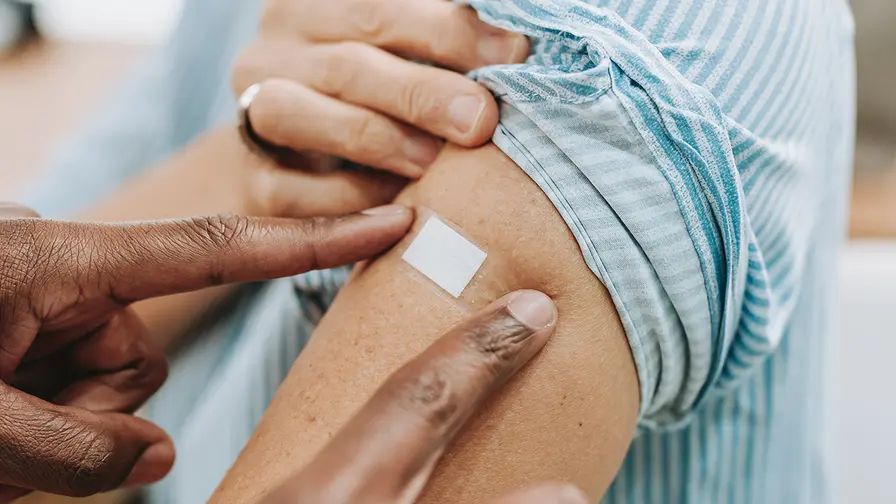
A recent observational analysis of Medicare claims and electronic health records tracked 509,926 adults aged 66 and older who were admitted to skilled nursing facilities across the United States between 2017 and 2022. Only 8,843 of those people received at least one dose of the recombinant shingles vaccine Shingrix during their stay. Over four years of follow-up, 18.8 percent of vaccinated residents developed dementia, compared with 24.6 percent of those who were not vaccinated.
This corresponds to a roughly 24 percent lower risk of a dementia diagnosis within four years among those who received the shingles vaccine.
The study team used a method called target trial emulation to approximate the key features of a randomized trial where running an actual trial would be difficult. That approach attempts to align eligibility criteria, follow-up windows, and confounder adjustment so that real-world data behave more like controlled trial data. It cannot fully replace a randomized trial, but it can reduce some biases common to simple cohort comparisons.

Why this matters and what it does not prove
A vaccine that lowers both physical and cognitive burden would be a major public health win. Shingles, caused by reactivation of the varicella zoster virus, is painful and can lead to complications that stress overall health. The new analysis suggests a secondary benefit: vaccinated residents were less likely to receive a dementia diagnosis in the years after vaccination.
That finding fits with earlier work that linked an older shingles vaccine to lower dementia rates, and it adds weight to the idea that preventing infections, or the inflammatory cascade they trigger, could influence long-term brain health. Still, caution is necessary. Observational studies are prone to confounding. In this dataset, vaccinated individuals tended to be slightly younger and healthier at baseline. The investigators adjusted for many of these differences, but residual confounding cannot be ruled out. In plain terms: correlation is clear, causation is not.
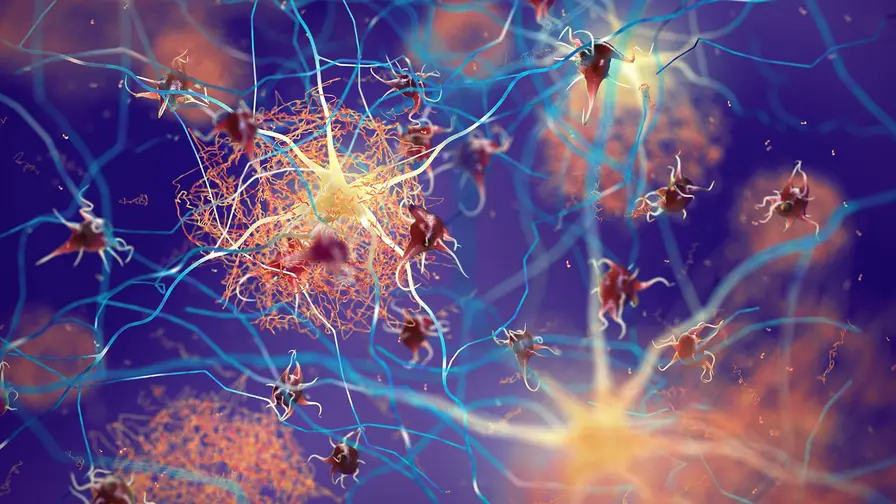
What mechanisms might explain a neuroprotective effect? Several hypotheses are under discussion. Vaccination may reduce direct viral impacts on the nervous system, lower systemic inflammation that accelerates neurodegeneration, or act as a nonspecific immune stimulus that strengthens resilience. Each idea is plausible, but none is yet proven in humans.
Study design and limits worth noting
The study pooled data from more than 5,500 skilled nursing facilities and followed patients for up to four years. People with prior dementia were excluded, and eligibility required that participants be candidates for shingles vaccination per clinical guidelines. Despite the large sample, only a small proportion were vaccinated after admission, reflecting real-world uptake patterns among older, frail populations.
- Strengths: very large sample size, linkage of claims with electronic health records, and use of target trial methods to reduce bias.
- Limitations: nonrandomized design, potential healthy-user bias, possible misclassification of dementia diagnoses in claims data, and limited information on adherence to the full two-dose vaccine schedule.
Expert Insight
Dr. Kaley Hayes, an author of the study and an assistant professor at Brown University School of Public Health, emphasizes the clinical context: 'Previous studies focused on an older shingles vaccine. This analysis isolates the recombinant vaccine in a high-risk, vulnerable group at a clear clinical juncture, admission to skilled nursing care.' Her team cautions that randomized trials and mechanistic work are still needed to determine whether Shingrix directly reduces dementia risk.
To put the result in practical terms, the investigators estimate that the observed association could translate to about one in 17 dementia cases being preventable in this specific population if the relationship is causal. That is a striking figure if confirmed, but it should be treated as provisional until trials or additional causal analyses replicate the finding.
Implications and next steps for research
This study adds to a growing conversation about vaccines and brain health. For clinicians, the immediate implication remains straightforward: vaccinate eligible older adults to prevent shingles and its complications. The potential cognitive benefit is an intriguing additional reason to close vaccination gaps in long-term care settings.
Researchers will need to pursue several next steps. Randomized controlled trials designed with cognitive outcomes, longer follow-up, and biomarker studies could test whether the vaccine influences neurodegenerative pathways. Laboratory work might identify whether antiviral immunity, reduced inflammation, or other immune processes mediate the observed association.
Conclusion
Observational evidence now suggests an association between Shingrix vaccination and a lower risk of dementia diagnosis among older adults entering skilled nursing care. The result is promising but not definitive. Until randomized evidence emerges, the strongest clinical message is to use existing vaccines to prevent known harms from infections, while the science continues to explore whether they also help preserve memory and cognition.

“The cosmos has always fascinated me. I write about space missions, astronomy, and the technologies pushing humanity beyond Earth.”

Discussion
Leave a Comment
Comments (2)
Is this even true? Observational study, slight age/health differences, healthy user bias possible — so curious but skeptical
wow didnt expect a shingles shot might help memory! kinda hopeful, surprised... if true this could matter a lot, but needs more proof pls