
Imagine popping a pill that sits quietly in your gut, watching blood sugar, and only acts when the body truly needs help. No fixed daily dose. No constant hormonal flood. Just a living system that senses, responds, and calms spikes as they happen.
How engineered microbes are being taught to read glucose
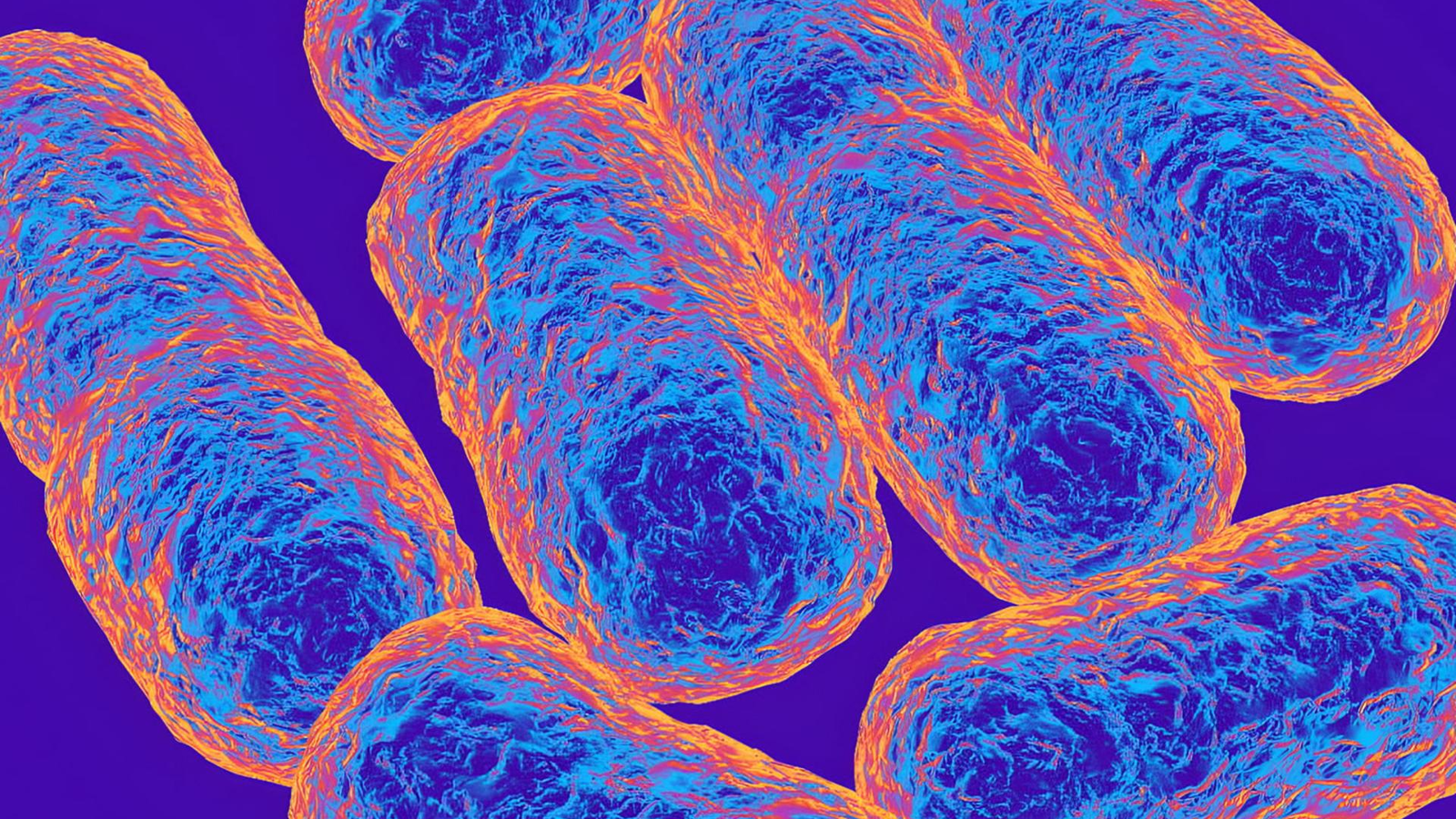
Researchers in Shanghai have turned that image into a working preclinical system. By inserting a glucose-responsive regulatory gene into a familiar gut microbe, Escherichia coli, the team created an oral probiotic that produces a GLP-1-like peptide when blood glucose rises. GLP-1 is the same hormone mimicked by popular drugs like semaglutide, used for type 2 diabetes and weight management. The engineered strain, dubbed GIFT for glucose-responsive and functional probiotic, is designed to remain inactive at normal glucose levels and become active only when a threshold is crossed.
Why does that matter? Current GLP-1 therapies require fixed dosing schedules that do not always mirror minute-by-minute physiological need. Injected or administered versions raise circulating hormone levels broadly and continuously, which can be effective but also increases the risk of side effects with long-term use. A responsive delivery system aims to narrow that gap: it releases therapeutic peptide only in the metabolic moments when the body demands insulin support or slowed gastric emptying.

What the team tested
- Genetic design: a glucose-sensing regulatory circuit was integrated into an E. coli backbone adapted for human gut survival.
- Payload: a peptide similar to GLP-1, engineered to reproduce the hormone's beneficial effects on insulin secretion and satiety signaling.
- Delivery form: an oral probiotic intended to colonize or transit the gut without provoking strong immune rejection.
- Preclinical models: experiments were carried out in mice and diabetic macaque models to measure efficacy and safety markers.
Early results, reported in a peer-reviewed paper, showed that GIFT could produce the GLP-1-like peptide in response to elevated glucose and that treated animals experienced improved glycemic control. Importantly, researchers did not observe overt toxic effects or immune reactions in these trials. Those are encouraging signs, but they are only the beginning.
Why this approach could change therapeutic thinking

At its core, the strategy reframes drug delivery as an on-demand, in situ process. Instead of repeatedly exposing the whole body to a drug, the gut becomes a smart factory that senses metabolites and supplies a corrective signal. That has several potential advantages: lower systemic exposure, fewer off-target effects, and the possibility of more individualized therapy as microbial populations and circuits adapt within a host.
There are technical and regulatory hurdles. Microbial therapies must be demonstrated safe for long-term residence or repeated dosing, and designers need robust genetic safeguards to prevent horizontal gene transfer or uncontrolled activity. Translating efficacy from rodents and nonhuman primates to humans is another major step. Still, the modular nature of the platform is a major strength: researchers say it could be adapted to deliver other glucose-lowering agents or combined outputs that target appetite, insulin sensitivity, or hepatic glucose production.
Beyond diabetes, a programmable probiotic hints at broader metabolic interventions. Obesity, fatty liver disease, and other disorders with a metabolic component could in theory be addressed by engineered microbes that sense relevant biomarkers and release corrective molecules locally in the gut.
Expert Insight
"This is a promising direction because it aligns treatment with physiological signals rather than imposing a rigid dosing rhythm," says Dr. Maya Chen, a metabolic disease specialist at a university medical center who reviewed the study. "But from bench to bedside, we must prove both control and containment. The safety bar is high when you introduce living therapeutics into human microbiomes."
The research team emphasized practical precautions in their paper: designing circuits with fail-safes, choosing bacterial strains with a known safety profile, and prioritizing oral formats that minimize immune activation. They describe the platform as programable, meaning the sensing and output elements can be swapped to match different therapeutic goals.
Conclusion

Programmable gut probiotics like GIFT are not a finished therapy yet, but they represent a conceptual shift: using living systems to sense disease signals and deliver treatments only when needed. The next steps are rigorous human trials and regulatory pathways that weigh the promise of tailored, on-demand therapy against the complexity of deploying genetically modified microbes. If those steps succeed, engineered gut bacteria could become a new class of metabolic medicine that complements—or in some cases replaces—current injectable drugs.

“The cosmos has always fascinated me. I write about space missions, astronomy, and the technologies pushing humanity beyond Earth.”

Discussion
Leave a Comment
Comments (2)
sounds like sci-fi, but is it even safe to let modified e coli live in my gut? regulatory nightmare, what if it mutates or spreads...
wow, a probiotic that doses itself? wild idea. if that works in people tho, big shift. curious about long term gut changes, and what about gene transfer? also side effects?