
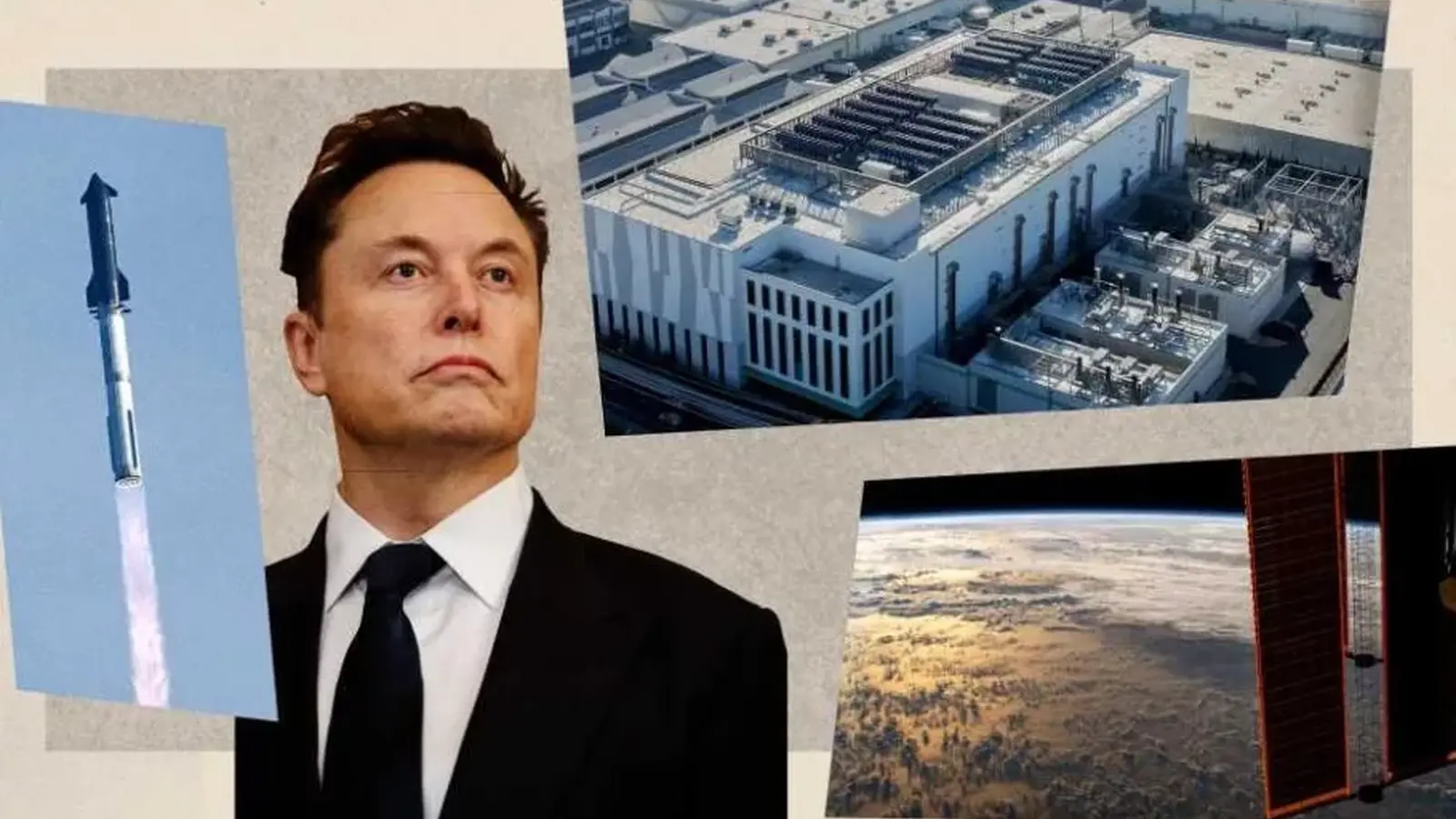
Imagine vast racks of AI servers orbiting Earth, soaking up sunlight and crunching petabytes far above our heads. It sounds like science fiction, and SoftBank's founder Masayoshi Son thinks it should stay there.
Son’s skepticism: a cost and timing argument
At SoftBank's annual shareholders meeting for its broadband and wireless arm, Son pushed back on Elon Musk’s proposal to build orbital data centers. He did not dismiss Musk as an innovator; Son called him a remarkable game-changer. Yet he described the orbital data-center idea as unlikely to be practical in the near term. "The next few years are decisive in the race for artificial intelligence," Son said, pointing to the urgency of terrestrial progress over speculative, long-lead projects.
His reasoning is straightforward. Launching data centers into orbit would take years and enormous capital. The goal, Musk argues, is cheaper power: continuous solar energy above the atmosphere. Son counters that energy represents only a sliver of a data center's operating costs. Hardware, chips, cooling and logistics dominate expenses. Move those servers into space and the savings from sunlight quickly evaporate when you add launch costs, in-orbit construction, maintenance and the complexity of transporting materials off Earth.

Practical hurdles: latency, logistics and lifecycle costs
There are technical hurdles beyond price. Latency matters for many AI workloads. Round-trip signal time between ground and low-Earth orbit is small but not negligible for services that require tight feedback loops. For distributed AI training, predictable low-latency networking and high-bandwidth interconnects are essential. Shipping a server to orbit is not a one-time expense. Repairs, upgrades and eventual decommissioning present long-term lifecycle costs that are hard to offset with solar panels alone.
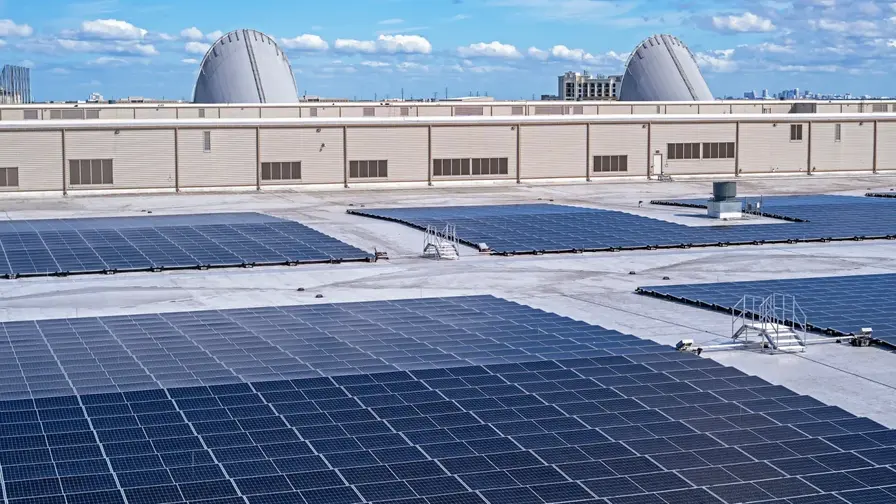
Son also highlighted the hidden expenses of space-based power. The amount of clean sunlight available in orbit is compelling, yet the cost to lift massive solar arrays and the infrastructure to deploy and service them erases much of the theoretical advantage. He argued that those funds are better spent improving terrestrial data centers where innovations in cooling, chip design and regional infrastructure can deliver faster returns.
SoftBank’s terrestrial play and the Stargate commitment
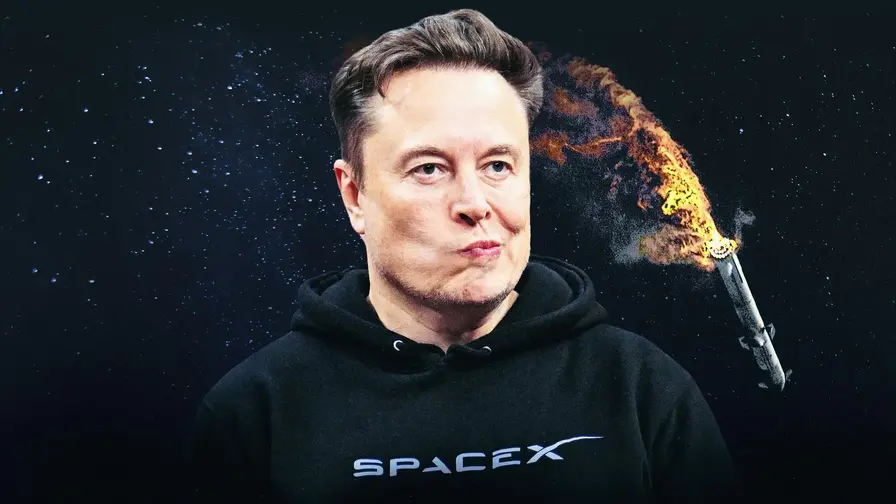
SoftBank is not retreating from AI. Far from it. The company is investing heavily in on-Earth infrastructure. It is a backer of OpenAI-led Project Stargate, an initiative to build AI-ready infrastructure across the United States. Last January, Son announced an initial SoftBank commitment of about €17.5 billion to the project at the White House. Stargate aims to marshal roughly €460 billion in total investment over four years to accelerate national AI architecture.
Son painted a future where AI scales on land first, powering breakthroughs that lead to "superintelligence"—a system he believes could be orders of magnitude more capable than humans. He laid out an audacious corporate objective: raise SoftBank’s net asset value to around 1 quadrillion yen, roughly €5.9 trillion, within 16 years, driven primarily by AI breakthroughs and their economic ripple effects. At the same meeting, SoftBank showcased robotics aimed at perilous tasks such as underwater welding and disaster rescue.

SpaceX’s bet and investor appetite
Elon Musk and SpaceX are racing in the opposite direction. SpaceX has made orbital data centers a central piece of its long-term vision. Investors appear willing to pay a premium for that ambition: recent market activity showed buyers accepting about €66 more per share than the IPO reference price to gain exposure to SpaceX’s space-facing plans, according to market analysis reported after the offering.
The debate is clear. One side favors near-term, cost-effective terrestrial scaling that can unlock immediate AI gains. The other side wagers on a future where orbital infrastructure redefines computation and power delivery. Both views are strategic bets on how and where the economics of computing will shift over the next decade.
Expert Insight
"Orbit solves some problems and creates others," said Dr. Elena Ruiz, a former systems engineer at a national space agency now working in cloud infrastructure. "Solar in space is abundant, but the costs of launch, serviceability and data transport are nontrivial. For latency-sensitive AI and for rapid hardware cycles, terrestrial centers remain far more efficient today. That may change as launch economics and modular in-space assembly mature, but we are not there yet."
Conclusion
Masayoshi Son’s critique is not a dismissal of bold thinking. It is a prioritization. For Son, the immediate battle for AI supremacy will be won on Earth: better servers, smarter chips, and faster networks. Musk’s orbital vision may be transformative eventually, but today it sits further down the timeline than Son is willing to bet. Both paths matter. The question is when the calculus will favor one over the other.

“The cosmos has always fascinated me. I write about space missions, astronomy, and the technologies pushing humanity beyond Earth.”

Discussion
Leave a Comment
Comments (2)
solid point from Son, energy is tiny slice of cost. build better chips and cooling on Earth first. Orbit can wait tho
Is orbit data centers even realistic? latency, repairs, launch costs, who pays? feels decades off, imho. cool dream but risky.