
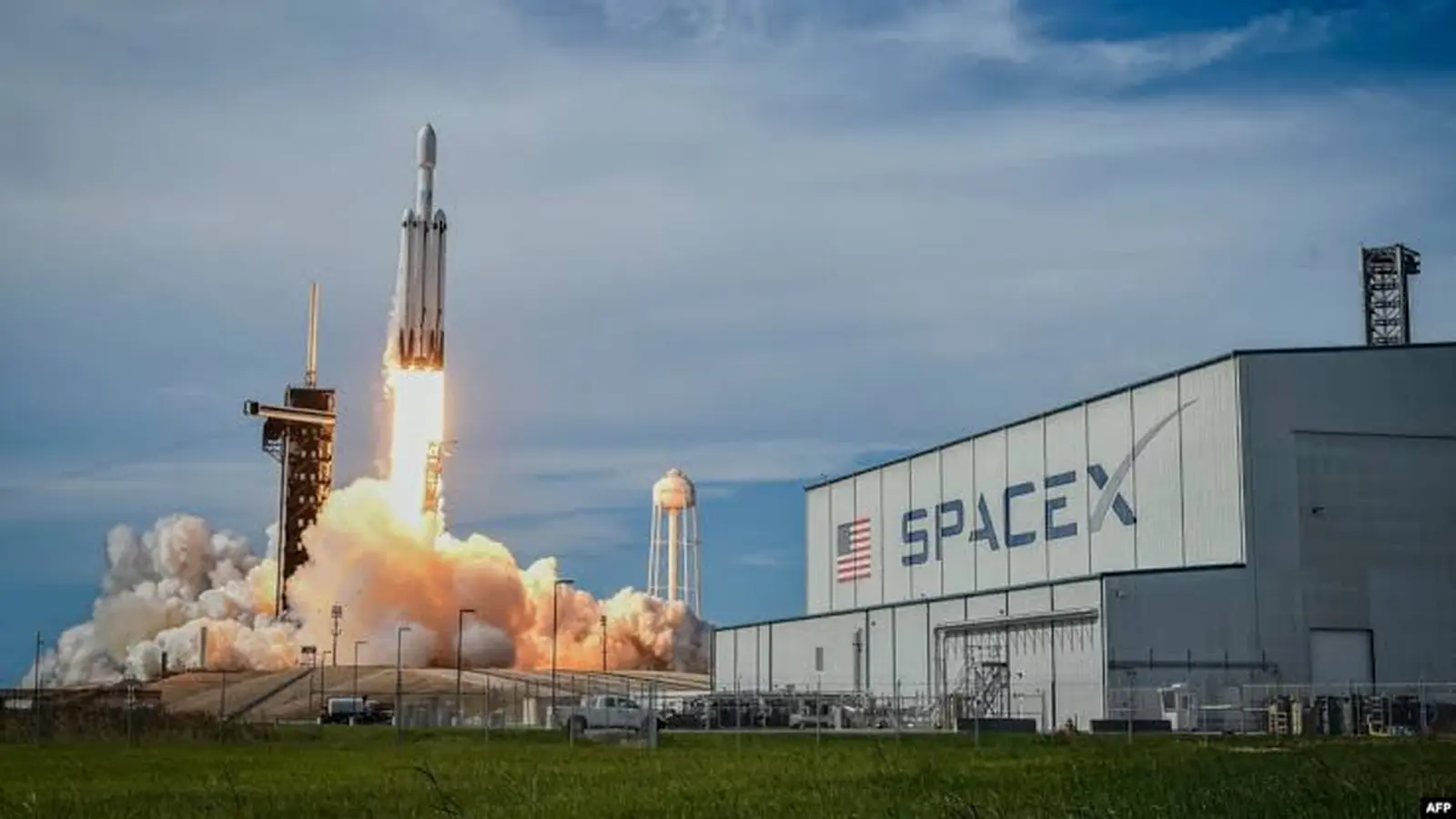
Windows rattling at dawn. Cabinets shifting out of alignment. A floor that buckled after a water main burst. In small communities around SpaceX's Starbase site in south Texas, those are not isolated anecdotes; they are the daily reality residents say follows a launch.
About 80 neighbors of the Starbase complex have filed a class-action lawsuit alleging that repeated rocket launches have damaged their houses and degraded quality of life. The plaintiffs, from towns near Boca Chica and Port Isabel, describe a pattern of vibration and overpressure from launches that, they say, has led to cracked drywall, doors that no longer close properly, and infrastructure failures such as ruptured plumbing.
Damage, displacement and a widening divide
Starbase has grown quickly into a hub for SpaceX vehicle tests and development. The company has invested in housing, health services and other amenities for employees near the site. But longtime residents contend that the benefits are not shared: they point to rising property values and shrinking public access to recreational spots such as Boca Chica beach. "They want to go to Mars," one homeowner told reporters. "What about us who live here now? No one is thinking about us."
Some plaintiffs estimate major repairs will be costly. One homeowner told Reuters that fixing the foundation entirely would cost roughly €93,000, a figure that could exceed the property's current market value. The suit accuses SpaceX of negligence, gross indifference and violations of property rights. It also cites the U.S. Commercial Space Launch Act of 1984, which gives the Secretary of Transportation authority to suspend or stop launch activities deemed harmful to public health or safety.

There is a social dimension too. Many affected families are lower-income or working-class. They worry that the influx of private investment has driven rents and housing prices beyond the reach of residents who have lived in the area for generations. Local critics say the expansion of Starbase has also restricted access to formerly free public spaces, altering a cultural landscape where communities once gathered without cost.
How launches affect structures and communities
Rockets create powerful acoustic waves and ground vibrations when they lift off. Those forces — called overpressure and ground-borne vibration — can stress building elements not designed for repeated, nearby exposure. Small cracks in plaster can widen. Fasteners in cabinets and door frames can loosen. Water or sewer lines, vulnerable if already aging, may fracture under sudden shock loads.

Scientists and engineers measure these effects with instruments like seismometers, pressure sensors and laser vibrometers. Data help define safety zones and set operational limits. But lawsuits like this one suggest tensions between test schedules and the lived experience of nearby communities remain unresolved. Who bears the long-term costs of testing cutting-edge launch systems? And what thresholds of damage justify regulatory intervention?
The legal arguments hinge on two fronts. Plaintiffs assert private harms — property damage and diminution of use. They also point to statutory tools for public protection. The 1984 statute cited by the complainants allows suspension of launches that threaten health or safety, but invoking that power is rare and politically charged. Regulatory agencies balance commercial innovation against local impacts, and courts will be asked to weigh evidence from structural engineers, acousticians and residents alike.
Expert Insight
"Repeated, sub-threshold vibrations can do cumulative harm," says Dr. Laura Kim, a structural engineering professor at the University of Texas (comment provided for context). "Individual jolts may seem insignificant. Over time, however, microcracks propagate and fasteners loosen. Without mitigation — whether that means altered flight profiles, stronger inspections, or compensation and repairs — communities can see measurable decline in building integrity."
Dr. Kim notes mitigation can be practical. Shielding, reinforced foundations, adjusted launch azimuths and timing, plus improved monitoring and a clear repair fund, all reduce risk. But policy and community input must guide engineering choices.
Where this case could lead
The suit is part of a broader reckoning around commercial space infrastructure and local communities. As private companies scale up launch cadence to support larger constellations and human-rated systems, test facilities will continue to sit near towns and sensitive habitats. Courts, regulators and operators may need to refine how they measure harm and who pays for fixes.
For residents on the Gulf Coast, the question is immediate: should the pace and location of rocket testing be adjusted to protect homes and neighborhoods? For the industry, the question is strategic: how to sustain rapid development while maintaining a social license to operate?
Conclusion

The lawsuit around Starbase puts a spotlight on a modern dilemma: unprecedented technological momentum meets the realities of fragile local infrastructure and socioeconomic strain. Launches advance science and commerce. They can also ripple outward in ways that matter to everyday life. Resolving that tension will require technical data, legal scrutiny and — crucially — meaningful engagement with the communities that live in the shadow of launch pads.

“The cosmos has always fascinated me. I write about space missions, astronomy, and the technologies pushing humanity beyond Earth.”

Discussion
Leave a Comment
Comments (2)
Is this even true? who pays the repair bills, local folks pushed out as rents spike. if that's real then... where's the oversight, or a repair fund?
this makes me sick. windows rattling, pipes bursting, theyre losing sleep and homes for what, 'space toys'? not fair. so wrong