
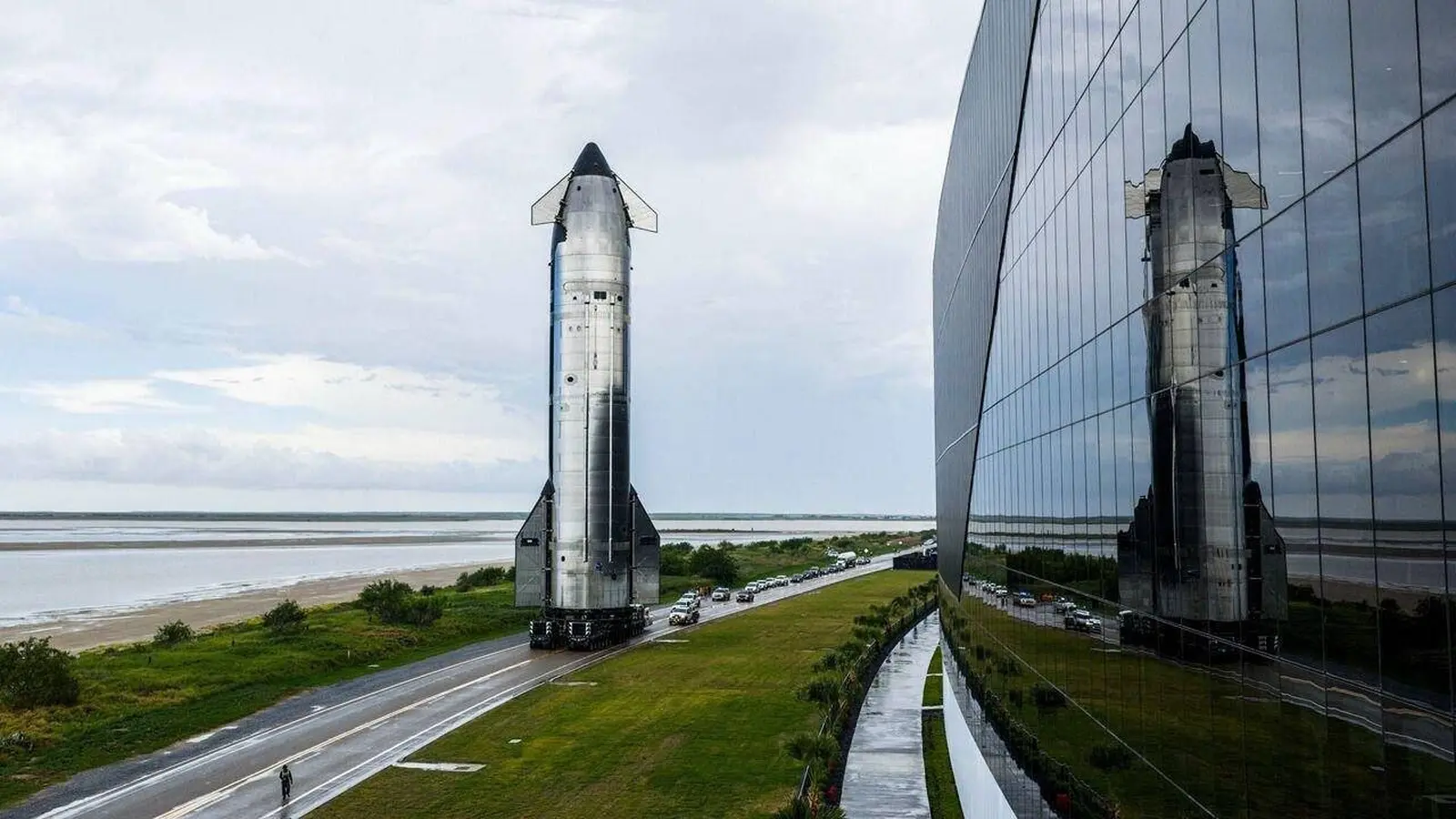
Viewers watching SpaceX's South Texas launch complex saw the countdown reach zero, then silence. Water flowed over the pad. Engines fired. And then four of the new Raptor motors did not come alive. What began as a routine test became an abrupt abort within seconds of ignition.
A brief timeline and what happened on the pad
In the early hours of Friday, SpaceX initiated a second attempt to fly the upgraded Starship system. The countdown hit a short hold with about one minute remaining, a pause quickly resolved. The pad's deluge system activated as expected and the booster engines began their start sequence. Live video then showed multiple Raptor engines fail to ignite. With motors offline, mission control called a launch abort.
Elon Musk confirmed on X that some engines did not start and said two motors will be replaced before another attempt. He added that SpaceX will not try again until next week. The aborted launch was meant to carry the first generation three Starlink satellites, which engineers expected would burn up roughly 20 minutes after deployment because Starship has not yet demonstrated orbital insertion.

Technical context: Raptor engines and the challenge of mass ignition
Raptor is a full-flow staged-combustion engine burning liquid methane and liquid oxygen. That design promises higher efficiency and reusability, but it also introduces complexity. Starting dozens of powerful engines in close succession and ensuring each reaches stable combustion is a hard engineering problem. Engine-out tolerance matters. Rockets are built with redundancy, but when several engines fail right at liftoff, flight safety systems must abort to protect range assets and people.
SpaceX has previously flown the Starship configuration in May. The debut returned mixed results: the system lifted off and upper-stage operations sent simulated Starlink payloads aloft, but the Super Heavy booster suffered a propulsion anomaly that led to FAA review. Earlier this week, the Federal Aviation Administration cleared a return to flight after identifying causes and remedies for the booster failure. The May test also saw the upper stage lose a single engine during its run but still perform a controlled splashdown.
Mission goals and why this matters
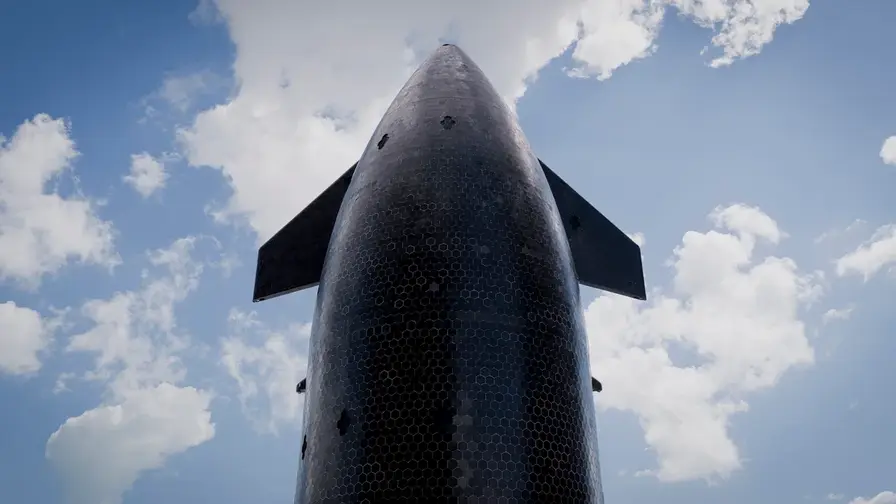
This flight carried more than technical significance. SpaceX planned to test Gen 3 Starlink satellites on Starship to advance its ambition of orbital data centers and much larger broadband constellations. Starlink is the single largest revenue stream for SpaceX. Proving Starship can reliably reach orbit and deploy satellites is central to the company’s longer term plan to lower launch cost per byte of data.
At the same time, the launch coincided with heightened public and market attention. This was the first scheduled Starship test after SpaceX went public on 12 June, raising about €78 billion in what became the largest IPO ever and briefly placing its market capitalization near Amazon and Microsoft. The stock closed near the IPO price of €124 on Thursday, and the post-abort after-hours session saw a drop of more than four percent.
Operational implications and next steps
SpaceX's immediate plan is pragmatic: replace the two affected engines and run diagnostics. Replacing hardware and validating ignition sequences is standard procedure. Engineers will comb through telemetry to see whether the failure was a single-component fault, an ignition-sequence timing issue, or something else in the propellant feed or control systems.
Regulatory and safety follow-ups are already part of the process. The FAA had previously completed an investigation into the booster anomaly and authorized a return to flight after SpaceX proposed fixes. Each abort like this feeds into that continuing assessment: regulators and the company demand evidence that the same problem won't recur under different operational conditions.
Expert Insight
"Engine clusters complicate both control and diagnostics," says Dr. Elena Ruiz, a propulsion systems engineer who worked on large liquid engines. "When one or two engines underperform at ignition you can sometimes continue, but when multiple fail to light, abort is the safe choice. The key now is to match telemetry to hardware—did valves sequence correctly, were there pressure anomalies, was there a manufacturing defect? Those answers determine how quickly SpaceX can return to flight."
Conclusion
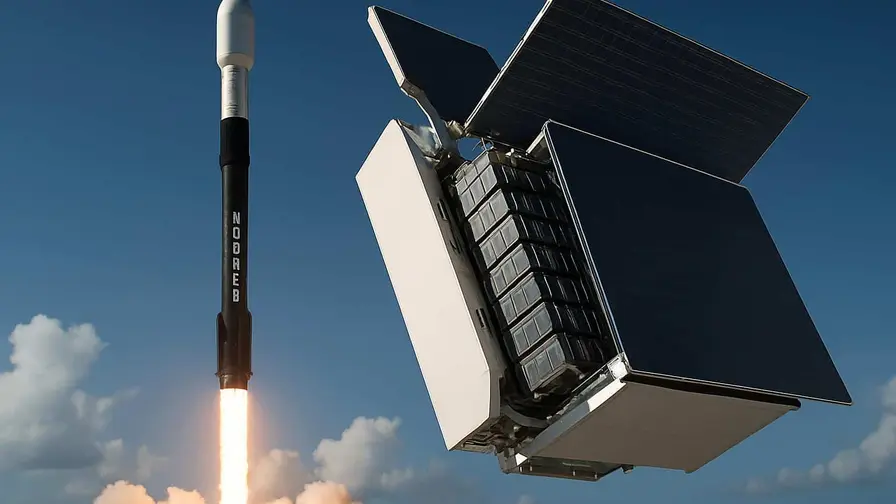
Spaceflight is iterative. Failures at the pad do not necessarily signal program failure, but they are costly in time and money and they shape public confidence. For SpaceX, proving that Starship can reliably start dozens of Raptors, reach orbit, and deploy payloads without loss will be essential if the company is to validate its vision of orbital data centers and scale the Starlink business. Engineers will now parse every byte of data from the abort, replace affected hardware, and prepare for the next attempt.

“The cosmos has always fascinated me. I write about space missions, astronomy, and the technologies pushing humanity beyond Earth.”

Discussion
Leave a Comment
Comments (2)
Is this even true? Four Raptors failed at ignition, feels unlikely. Maybe sensors glitched or sequence timing was off. FAA will want a full postmortem 🤔
Wow, that countdown looked flawless then kaboom… engines not lighting? Yikes. Good they aborted, but man that was brutal to watch, hope they sort it quick