

Warm evenings, parks full of people, and the promise of a beach day make summer feel like recovery time for the body. It should be the season when vitamin D—the nutrient we manufacture in sunlight—bounces back after months of low winter exposure. New research from Newcastle University suggests that hope is louder than reality.
When sunshine does not equal healing
Between December 2024 and August 2025, researchers at Newcastle tested vitamin D status in 299 volunteers using a simple finger-prick blood assay. The sample deliberately focused on groups at elevated risk: roughly half were adults aged 65 and over, and the remainder were adults with darker skin tones, recruited to reflect populations who often face higher deficiency risk.
The results were blunt. More than half of the older adults had vitamin D concentrations below the commonly accepted threshold. For people with darker skin, the proportion below the threshold exceeded 70 percent. And crucially, those figures barely improved as the calendar moved from winter into spring and summer.

Why the summer boost often fails
There are three primary, interacting reasons why extra daylight did not translate to healthier vitamin D levels for many participants.
- Age-related decline in skin production. As skin ages, its capacity to synthesize vitamin D from ultraviolet B radiation decreases. Older adults also tend to spend less time outdoors and may cover up more, limiting their exposure.
- Skin pigmentation. Melanin acts like a natural sunscreen. People with higher melanin content need longer sun exposure to produce the same vitamin D as lighter-skinned individuals, which can make summer sunlight insufficient in many practical situations.
- Geography and practical constraints. Northern latitudes, like much of northern Britain, receive weaker ultraviolet B even in summer. And where intense heat or high UV levels make sun exposure risky or uncomfortable, relying on sunlight alone is impractical.
The Newcastle team highlighted that these factors combine. Age plus darker skin plus living at a high latitude is not additive in a simple way; the combination can leave people chronically short of vitamin D even during months of long daylight.
Scientific context and why it matters
Vitamin D is unusual among micronutrients because our bodies produce it when 7-dehydrocholesterol in the skin absorbs UVB photons and is converted into cholecalciferol, the inactive precursor. The liver and kidneys then metabolize that precursor into the biologically active forms that help regulate calcium absorption and bone mineralization. That makes vitamin D crucial for skeletal health, particularly for older adults at risk of fractures.
The nutrient also figures in muscle function and immune responses, and a growing body of observational research has looked for links between vitamin D status and mood disorders. A 2022 meta-analysis linked higher vitamin D to fewer depressive symptoms in people with diagnosed depression, but the broader literature remains contested when it comes to claims about cancer, diabetes, or broad immune protection. Randomized controlled trials and mechanistic studies continue to refine where vitamin D matters most clinically.
Study limits and transparency

Important caveats accompany the Newcastle findings. All participants entered the study with low vitamin D status, and anyone already taking supplements was excluded. That design means the study does not estimate population-wide prevalence of deficiency. Rather, it shows how, in a group already low in vitamin D, summer sunlight often does not correct the imbalance.
The study was funded by BetterYou Ltd, a UK-based company that sells nutritional supplements. Funding sources do not invalidate results, but transparency about potential conflicts of interest is essential when interpreting findings and public-health recommendations.
Practical guidance and policy implications
Public-health guidance in the United Kingdom already recommends seasonal supplementation: a daily 400 IU vitamin D supplement for people older than four years, typically taken between October and March. In the United States, guidance suggests higher daily intakes—600 IU for most adults and 800 IU for those 70 and older.
These recommendations reflect a pragmatic approach. Sun exposure is variable and carries trade-offs. Short, incidental exposure—walking to work, gardening with forearms uncovered—can help, but it is often insufficient for at-risk groups. Intentional, prolonged sunbathing has harms, including an elevated risk of skin cancer, and may be impractical in regions with extreme summer heat.
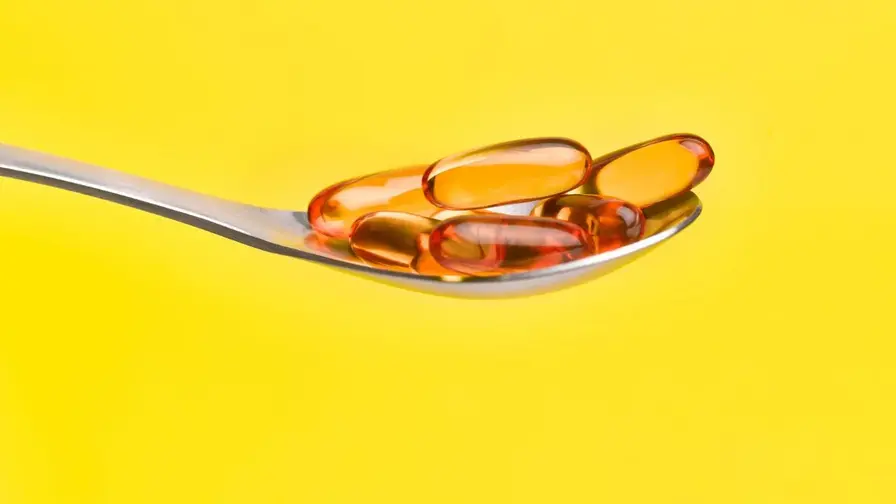
Supplementation is inexpensive, scalable, and, when used at recommended doses, safe. But vitamin D is fat-soluble, and chronic excess can cause toxicity. High-dose regimens should be supervised by a clinician and predicated on measured deficiency or clear clinical need.
Expert Insight
Dr. Elena Márquez, a public health physician who studies micronutrient programs, comments: "This study reinforces what clinicians see in practice. Relying on seasonal sun exposure as the primary strategy leaves many people behind. For older adults and people with darker skin, routine supplementation and targeted screening are sensible, low-cost interventions that reduce fracture risk and support general wellbeing. Policy should reflect risk, not assumptions about summer weather."
Actions for individuals and systems
If you are in a higher-risk group—older age, darker skin, limited outdoor time, or living at high latitudes—consider discussing vitamin D testing and year-round supplementation with your clinician. For policymakers and health systems, the study supports revisiting whether current seasonal recommendations reach the populations who need them most. Fortification programs, improved clinical awareness, and community outreach are tools that could narrow gaps in vitamin D status without exposing people to inappropriate sun-related harm.
Conclusion
Bright days feel restorative, but sunlight is not a universal cure. The Newcastle study underscores a reality with practical consequences: for many people, especially older adults and those with more melanin in their skin, summer will not reliably replenish vitamin D stores. Simple public-health measures—targeted supplementation, sensible screening, and transparent guidance—can close that gap.

“My work centers on sustainability, energy, and environmental science — examining how innovation can lead to a greener future.”

Discussion
Leave a Comment
Comments (3)
I've seen this in clinic, older pts rarely get enough D. Year round supplements help 🙂
is this even true? they excluded people on supplements, so numbers might be skewed. 70% sounds huge tho
wow didnt expect summer to do so little for vitamin D… kinda worrying, esp for older ppl