
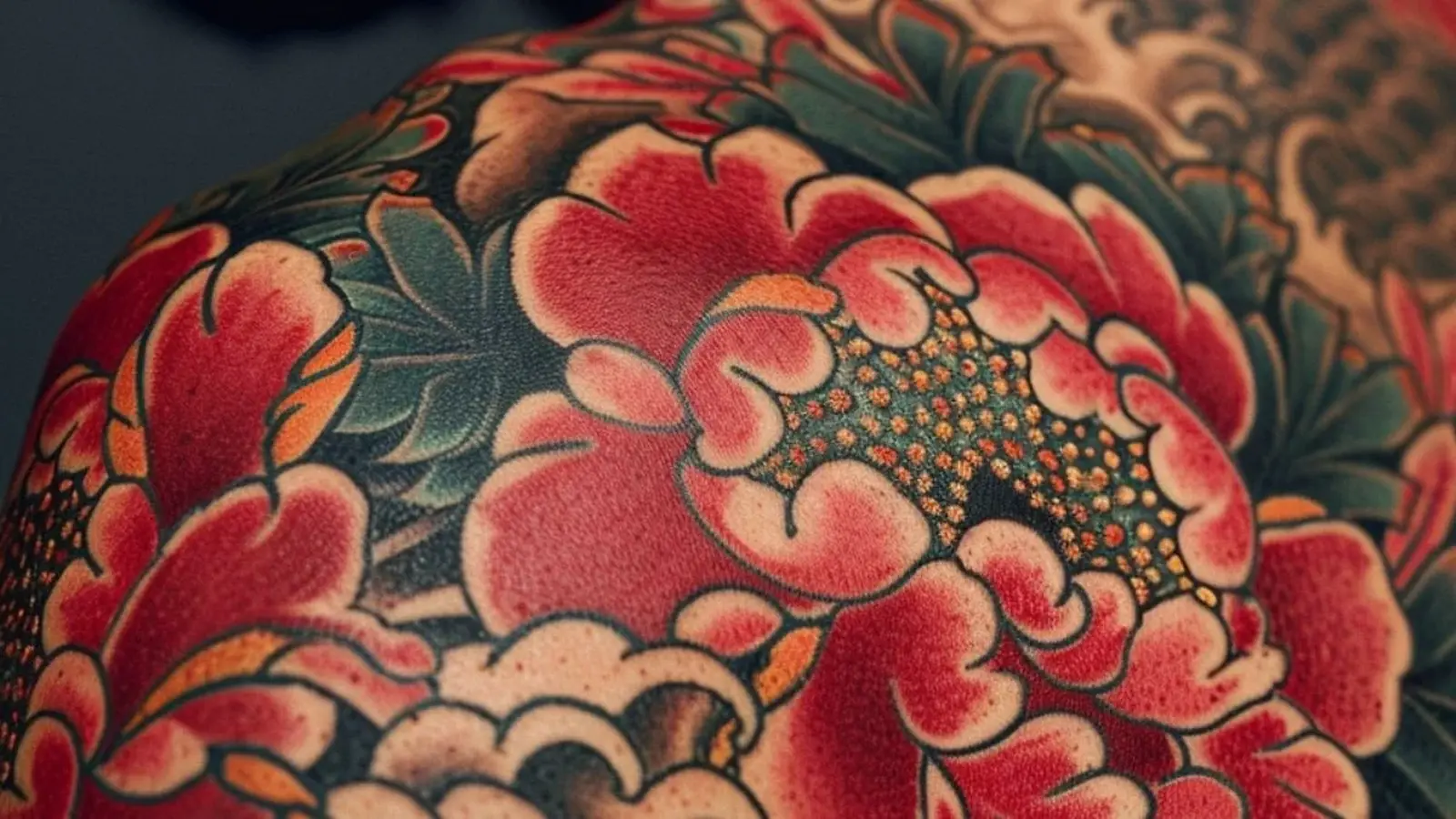
You step out of the studio and the sun catches your new ink. It looks perfect. But beneath that surface, there may be chemicals you never agreed to live with.
Before you book the chair
A recent study found unexpected compounds in about four out of five tattoo inks, and that should make anyone pause. Tattooing is not just art on skin; it’s an introduction of foreign substances into your body that, in many countries, happens under minimal oversight. The industry’s patchwork rules mean what’s allowed in one place might be banned or scrutinized elsewhere.
So what should a prospective customer actually do? Start by asking direct questions. What brand of ink are you using? Can I see the ingredient list or the safety data sheet? How do you sterilize your equipment? If the answers feel vague or defensive, walk away. Trust is part of the service—and it’s also a safety check.

Medical history matters. Have you had immune problems, severe allergies, or reactions to metals or dyes? If so, talk to a doctor first. Some reactions can appear immediately. Others take weeks, months, even years to surface.
Tattoos are a form of lifelong chemical exposure, not a temporary accessory.
That reality is why experts are calling for clearer rules. As ink use grows around the world, the need for transparency and sustained scientific research becomes harder to ignore. Better labelling, consistent safety standards and independent testing would give people real information rather than a leap of faith.
If you love body art, keep loving it—but do it informed. Ask questions, check hygiene, and when in doubt, get medical advice. The needle leaves a beautiful mark; make sure it doesn’t leave an unwanted surprise.


“The cosmos has always fascinated me. I write about space missions, astronomy, and the technologies pushing humanity beyond Earth.”

Discussion
Leave a Comment
Comments
No comments yet. Be the first.