
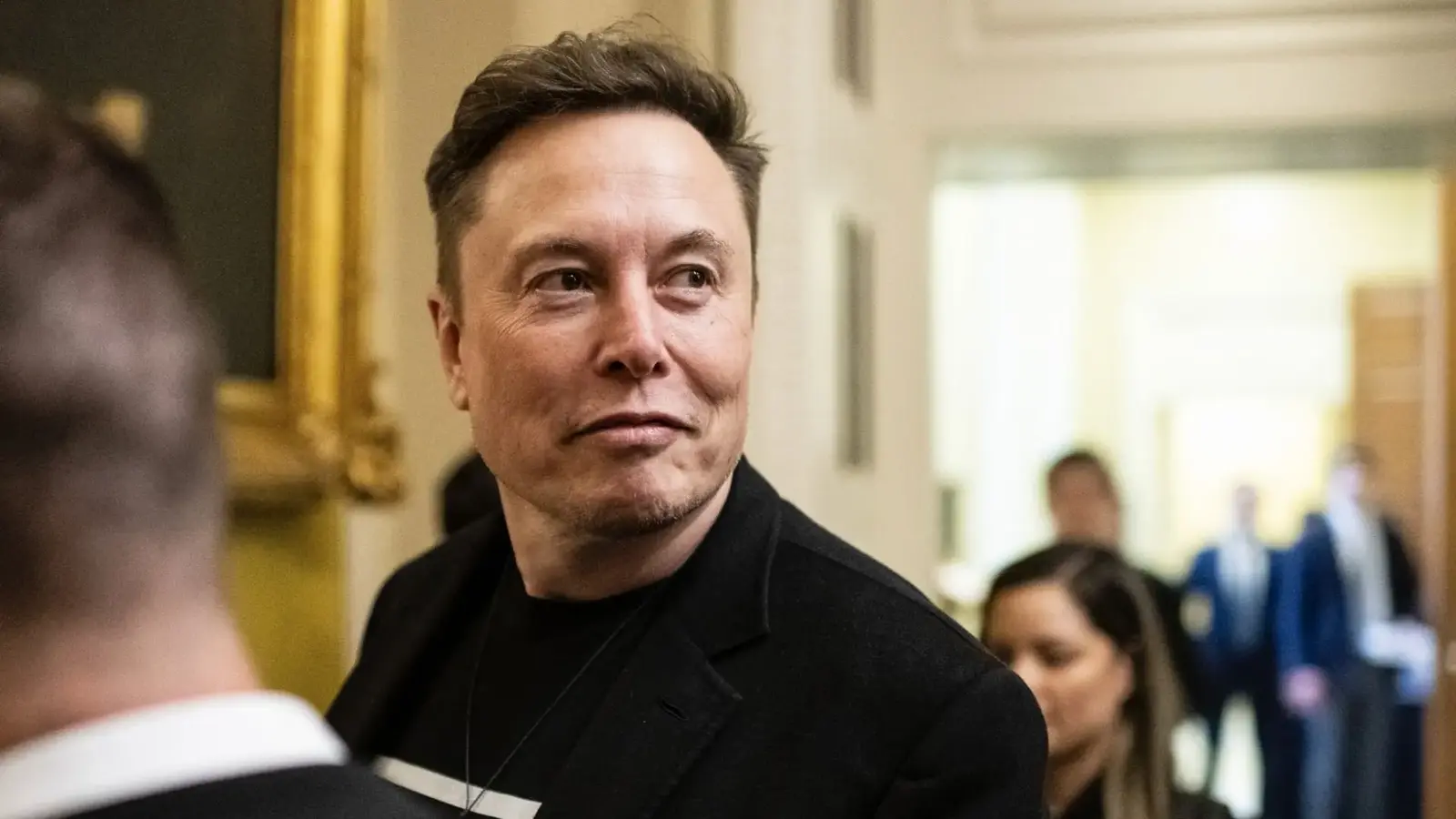
It began as a vision: roofs that generate power without looking like power plants. But after years of prototypes, lawsuits, and far higher installation bills than customers expected, Tesla has decided to stop producing its bespoke solar roof tiles because the economics no longer add up.
The promise, and the math
When Tesla unveiled the integrated solar roof in 2016, the company pitched it as an affordable way to turn a house into a generator. The early estimate worked out to about €218 per square metre. Reality looked different. Installation complexity, labor and unexpected on-site work sent costs soaring. What was meant to be a seamless product became a specialist retrofit with long timelines and thin margins. Customers encountered sticker shock. Some opened legal cases against installers and Tesla.
Ambitious production targets never materialised. The company once talked about installing a thousand roofs per week. Over seven years, Tesla installed roughly 3,000 of these roofs worldwide. Yet Tesla is not abandoning solar entirely. The firm will continue to supply and install conventional photovoltaic panels for homes and businesses.
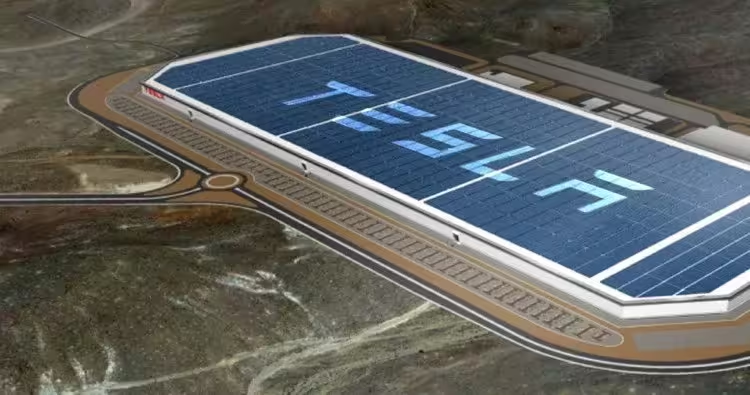
At the same time, Tesla appears to be betting on scale in another way. The company plans a large manufacturing site in Texas, dubbed Project Crystal Sun, with an investment around €9.2 billion to expand capacity by 2028. That bet suggests Tesla still sees value in boosting its solar hardware capabilities, even if the roof tile experiment fell short.
There is an ironic twist to the story. Elon Musk has long been a vocal critic of fossil fuels; in 2015 he called burning hydrocarbon fuels "the dumbest experiment in history." Yet some of Musk's other ventures have relied on conventional power sources. Recent reports indicate an AI-focused company associated with Musk has depended on gas turbines to supply data centre energy, highlighting tensions between rapid compute growth and clean-power ambitions.
Technically, solar roof tiles face several challenges compared with conventional panels. Integrated tiles must replace roofing material, adding waterproofing and structural work. Panels, by contrast, sit on top of an existing roof and are simpler and faster to install. Efficiency per square metre can also differ, and specialised manufacturing raises unit costs unless production volumes are very high.
Conclusion
Tesla's pause on bespoke solar tiles is less a retreat from renewable energy than a signal that some innovations need different economics or larger scale to succeed. For homeowners and the solar industry, the episode is a reminder: clever design must meet practical installation realities and price expectations to become mainstream.


“My work centers on sustainability, energy, and environmental science — examining how innovation can lead to a greener future.”

Discussion
Leave a Comment
Comments
No comments yet. Be the first.