

On a cold winter morning a pharmacy shelf is flooded with chewable tablets and bright boxes promising relief. The message is familiar: take extra vitamin C and you might dodge the sniffles. It sounds sensible. It also owes a lot to a single, persuasive voice from the 1970s.
Vitamin C’s reputation as a cold-fighting remedy owes much to Linus Pauling, but decades of research have produced a far more modest picture.
When a Nobel laureate started a vitamin craze
Linus Pauling was an icon of chemistry and a relentless public figure. He won Nobel Prizes for chemistry and later for peace, and his reputation lent enormous weight to an unexpected claim: high daily doses of vitamin C could prevent the common cold. Pauling urged people to take roughly 1,000 to 2,000 milligrams a day and sometimes recommended higher amounts to forestall illness.
That prescription changed buying habits almost overnight. Sales of vitamin C supplements surged. But Pauling was not a clinician specialising in infectious disease, and his reading of early studies has since been questioned. Critics noted statistical errors, an overreliance on a small number of low-quality trials, and an outsized emphasis on one small ski-camp study involving children. The result was a public belief that outpaced the science.

What the evidence actually shows
After half a century of research, the consensus is restrained. Regular vitamin C supplementation does not prevent most people from catching a cold. But there are nuances. A large meta-analysis published in 2023 pooled ten placebo-controlled trials where participants had been taking at least 1,000 mg a day on an ongoing basis. Across 2,736 healthy people, those taking vitamin C experienced a modest reduction in severe cold days, roughly 15 percent fewer days confined indoors compared with placebo. The analysis noted limitations, including how severity was measured.
Earlier work from 2013 found that low-dose daily supplements, near 200 mg, did not lower cold incidence in the general population. However, both meta-analyses observed benefits in specific, high-stress groups such as athletes and military personnel. For these populations, the frequency of colds fell.
If you look at duration and intensity, regular vitamin C appears to shorten severe symptoms by about 10 percent on average. That means a severe episode that would normally last five days might be reduced by roughly 12 hours. Mild colds are unaffected, and crucially, starting vitamin C after symptoms begin does not appear to change the course of the illness.
How vitamin C is supposed to work
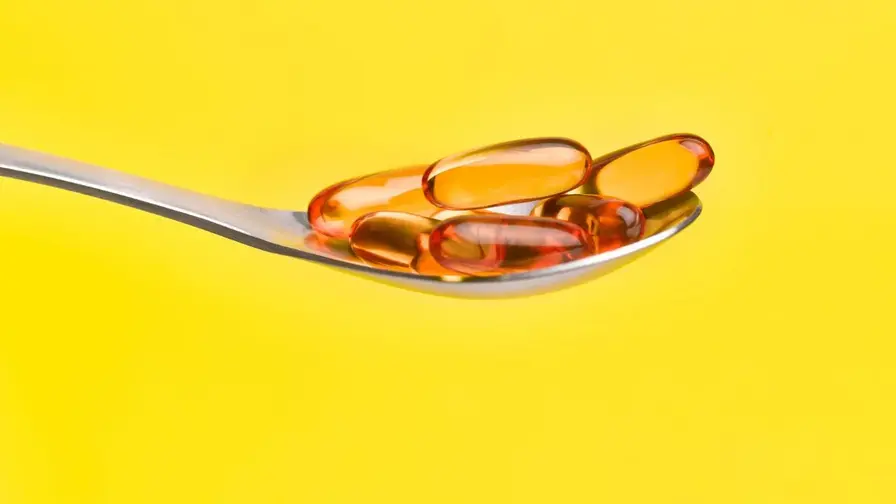
Vitamin C is an essential nutrient and antioxidant. It supports collagen synthesis in connective tissue, contributes to wound healing, and participates in several immune functions such as supporting certain white blood cells. But the idea that megadoses dramatically boost infection resistance lacks clear clinical support. The body tightly regulates vitamin C levels in blood and tissues, and beyond a point extra intake produces diminishing returns.
Dosage, safety, and tradeoffs
Pauling recommended doses that sit at or above current upper safety thresholds. Daily recommended intakes for adults in many countries are modest. For example, official guidance in Australia lists around 45 mg a day for adults over 19. Health authorities elsewhere cite different upper limits: some countries suggest keeping chronic intake under 1,000 mg a day, while the United States sets the adult upper limit at 2,000 mg a day.
High, chronic intakes of vitamin C can cause problems. Common adverse effects include gastrointestinal upset such as diarrhea, nausea, cramps, and bloating. More seriously, excessive intake can increase urinary oxalate, elevating the risk of kidney stones in susceptible people. Increased iron absorption is another concern; in people with hereditary hemochromatosis unchecked iron uptake can damage tissues. Vitamin C may also interact with certain treatments, including some chemotherapy and radiation therapy, and could affect the activity of statin medications.
If you think you might benefit from supplements, speak with your doctor. For most people, routine supplementation above 1,000 mg a day is unnecessary and potentially risky. Also remember that overt deficiency is uncommon in developed countries; in Australia fewer than 4 percent of people show true deficiency.
Expert Insight
Dr Anna Reed, a clinical nutrition researcher with experience in public health messaging, sums it up plainly: 'Vitamin C is important for health, but it is not a cure-all. For the average person eating a varied diet, routine megadoses offer little extra protection against colds and carry real side effects. Athletes and others under extreme physical stress may see small benefits, but for most people sensible intake and good hygiene remain the most effective approaches.'
Her point highlights how context matters. Nutrition is rarely binary. A nutrient can be essential, clinically valuable, and yet not a reliable tool for preventing an infectious disease when deployed in isolation.
Conclusion
Vitamin C has a place in human health, but it is not the shortcut to cold immunity that popular culture sometimes promises. Historical advocacy by an influential scientist amplified an idea that the evidence has since refined: regular supplementation might reduce the severity and, in select groups, the frequency of colds, but it will not stop most people from catching them. If you choose to supplement, keep doses reasonable, be aware of side effects, and consult a clinician when in doubt. Good diet, sleep, hand hygiene, and vaccination where appropriate remain the best defenses.


“My work centers on sustainability, energy, and environmental science — examining how innovation can lead to a greener future.”

Discussion
Leave a Comment
Comments (2)
Is this even true? So taking vit C after symptoms start does nothing? I've done that for years, guess I need to stop wasting tablets. Hmm
wow, Pauling really shaped stuff huh. Didn't realise the whole craze came from one guy. Makes me wary of megadoses, but ok... still keep a packet nearby just in case lol