
A stick of sugar-free gum, a tub of diet yogurt, a smear of low-sugar jam. Small, everyday choices. New research now suggests that one widely used sugar substitute may carry a weightier cost than most people realize.
How the study was done and what it found
At the European Society of Cardiology annual congress in Munich, investigators reported an association between blood xylitol concentrations and future cardiovascular events. The research tracked more than 17,000 people and compared those with the highest measured xylitol levels to those with the lowest. Over a six-year follow-up, people in the highest group faced about a 57 percent greater risk of death or of suffering a heart attack or stroke.
Those are strong numbers. They do not prove cause and effect, but they do raise urgent questions. The link remained visible even after adjusting for common risk factors such as obesity, high blood pressure and diabetes. The team also noted a lingering signal: over a 30-year horizon, people with higher xylitol levels still showed up to an 18 percent higher incidence of heart disease compared with those who had lower levels.
What xylitol is and why it matters
A brief primer
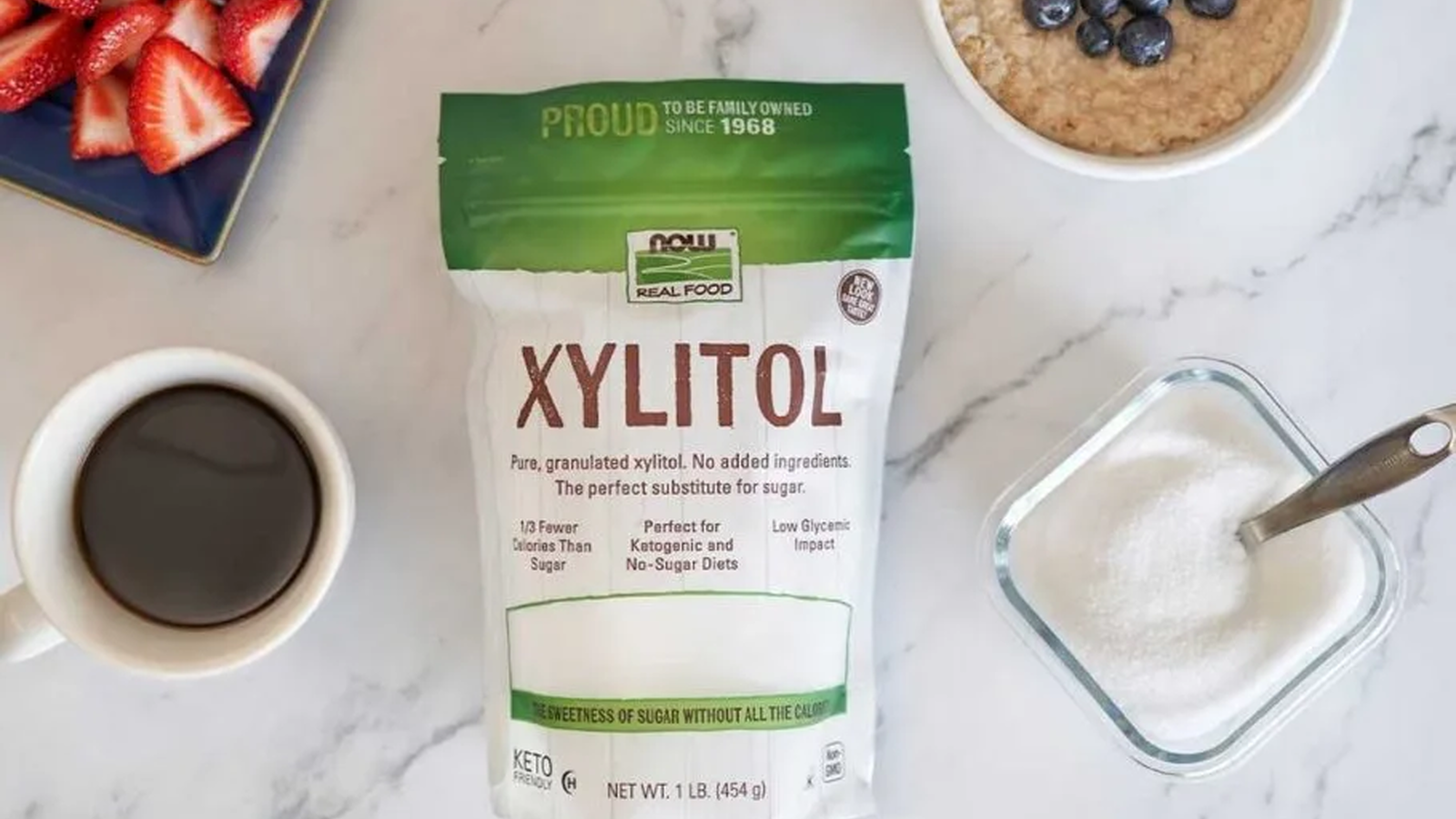
Xylitol is a sugar alcohol, a type of polyol used to sweeten many reduced-sugar and sugar-free products. It occurs naturally in small amounts in fruits and vegetables, but processed foods can concentrate it to levels hundreds or even a thousand times higher than what appears in nature. It is popular because it tastes like sugar, has fewer calories, and does not promote tooth decay.

But popularity is not the same as perfect safety. Lab work from the same research group, led by Dr. Marco Witkowski, previously suggested that xylitol can promote platelet aggregation, a process relevant to blood clot formation. That mechanistic hint offers one plausible route by which elevated xylitol might influence cardiovascular risk, though it remains a hypothesis pending fuller confirmation.
Implications for consumers and public health
What should a person do today? Moderation is a reasonable first step. Check ingredient lists. Be mindful that many “diet” or “sugar-free” items contain polyols, including xylitol. Health professionals may want to ask patients about routine consumption of such products when assessing cardiovascular risk.
For regulators and the food industry, the study signals a need for replication and careful review. Large observational studies can reveal patterns. They cannot substitute for randomized trials or mechanistic confirmation. The authors themselves emphasize that their findings have not yet been peer-reviewed and published in a scientific journal.
Possible biological pathways include direct effects on platelets, metabolism, or the gut environment. Each will need targeted investigation. If subsequent work confirms harm at typical consumption levels, manufacturers, labeling authorities and clinicians will face difficult choices about acceptable uses and safety limits.
In short: a familiar sweetener, long viewed as a harmless alternative to sugar, is under scrutiny. The evidence so far is compelling enough to prompt caution, and not yet definitive enough to force immediate policy changes.


“My work centers on sustainability, energy, and environmental science — examining how innovation can lead to a greener future.”

Discussion
Leave a Comment
Comments (2)
Wow this freaks me out a bit. I chew sugar-free gum daily so maybe time to stop? ugh, messed up.
Wait, observed xylitol levels linked to heart events? Sounds worrying but is it causal? Lab hints ok, need peer review and trials. Cutting back, just in case.