
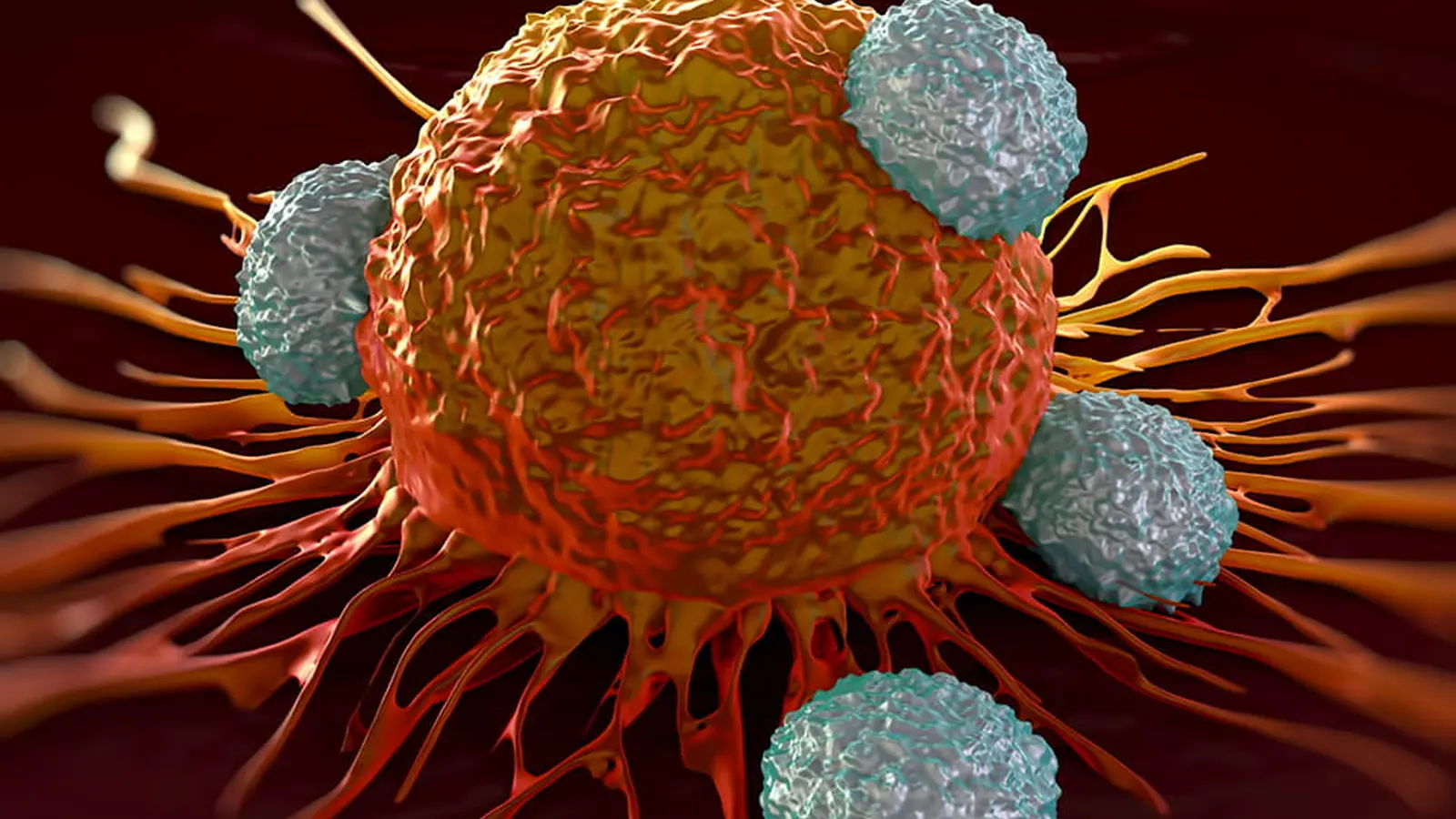
Imagine a simple pantry-derived molecule nudging bone marrow stem cells to produce tougher, more vigilant immune soldiers. It sounds like science fiction, but recent laboratory work in mice points to just that possibility: a yeast-derived dietary compound reshaping how innate immunity develops after obesity.

Researchers have found that a yeast-derived dietary supplement can reprogram developing immune cells in obese mice, strengthening their ability to attack several types of cancer.
How a common supplement reached the marrow
Obesity leaves biochemical footprints. Not just extra fat, but persistent changes in the bone marrow where immune cells are born. Even after animals or people lose weight, those alterations can linger, dulling the immune system's ability to recognize and destroy abnormal cells. The question the Irish research teams asked was simple: can food reshape that process at its source?
They focused on yeast beta-glucan, a naturally occurring polysaccharide present in baker's and brewer's yeast and already included in some food products and supplements. Prior studies showed beta-glucans could boost immune responses when injected, but injection is a clinical intervention. What if a dietary route could achieve a lasting recalibration of immune progenitors in the bone marrow?
The work, led from Trinity College Dublin and University College Dublin, set out to test whether oral supplementation could induce so-called trained immunity. That term describes a form of innate immune memory where early exposure changes how innate cells — like macrophages and natural killer cells — respond later on. Training here would mean altering the stem cells that produce those cells, not merely stimulating existing mature immune cells for a short time.
What the mouse experiments revealed
In controlled trials, mice received either a standard diet or a high-fat diet, with and without added yeast beta-glucan, for periods of 4 to 12 weeks. After supplementation, the animals were challenged with several types of cancer cells to probe anti-tumor immunity. The researchers examined whether the bone marrow stem cells had been reprogrammed and whether any protective effects persisted when animals subsequently lost weight.
The results were striking. Mice that consumed yeast beta-glucan produced innate immune cells that showed stronger anti-tumor activity against colorectal, skin, and breast cancer models. Crucially, the effect reflected a change in the bone marrow program: stem cells produced progeny that behaved differently. This suggests the intervention created a durable form of trained innate immunity that did not depend on constant dosing.
Which cancers were tested
- Colorectal cancer cells
- Skin cancer cells
- Breast cancer cells
Another important finding: benefits remained evident after weight loss. Obesity-induced immune defects often persist even when body weight normalizes. In these mice, dietary beta-glucan appeared to reverse some of those long-term changes, restoring innate anti-tumor defenses that would otherwise stay impaired.

Professor Helen Roche of UCD commented on the biological significance: "Our data show that oral delivery of yeast beta-glucan can rewire bone marrow progenitors, producing a lasting enhancement of innate immunity. That makes this approach fundamentally different from short-lived immune stimulation."
Clinical prospects, limits, and safety questions
Translating mouse findings into human medicine is never automatic. The study does not claim yeast beta-glucan prevents or treats cancer in people. Instead, it highlights a promising biological pathway: dietary molecules that reach and reprogram stem cells in the bone marrow. Because the beta-glucan used in the experiments is food-grade and commercially available, the path to clinical testing may be shorter than for a wholly novel drug.
Important questions remain. What dose, formulation, and duration would be needed in humans to safely induce trained innate immunity without unwanted inflammation? Could the supplement be combined safely with chemotherapy or immune checkpoint inhibitors? Who would benefit most — people with obesity, those with chronic infections, older adults with immune decline, or specific patient groups undergoing cancer therapy?
Frederick Sheedy, Associate Professor in Immunology at Trinity College Dublin, framed the potential: "If we can safely harness trained immunity through diet, we may be able to improve responses to infection and cancer, and perhaps even enhance vaccine efficacy in populations whose immune systems have been compromised by obesity." He also emphasized caution: clinical trials are needed to determine efficacy and safety in people.
Because yeast beta-glucan is already present in consumer products, researchers have the advantage of known manufacturing and regulatory pathways. That could accelerate early-phase human trials, but careful design will be essential. Trials must measure not only immune biomarkers but actual clinical outcomes and interactions with standard cancer therapies.
Expert Insight
"These findings are an elegant example of how systemic metabolism and immunity intersect at the level of stem cells," says Dr. Rachel Morgan, a clinical immunologist and science communicator. "It reframes diet as a potential epigenetic modifier of immune development. That is exciting, but also a reminder: interventions that change stem-cell programs must be tested thoroughly for long-term safety."
Her comment highlights both opportunity and responsibility. Modifying bone marrow output is powerful. It could strengthen defenses against tumors and infection. It could also carry risks if uncontrolled inflammation or off-target effects occur.
Conclusion
The study from Trinity College Dublin and University College Dublin opens a door rather than closes a case. In mice, dietary yeast beta-glucan reprogrammed bone marrow stem cells and produced enduring enhancements in innate anti-tumor immunity, even after weight loss. The finding suggests a new angle for restoring immune function disrupted by obesity, and it supports the idea that simple dietary compounds may one day complement established cancer therapies or improve vaccine responses.
Next steps are clear: controlled human studies to assess dosing, duration, safety, and clinical benefit. If those trials succeed, a widely available supplement could become a low-cost tool to rebalance immune health in vulnerable populations. Until then, the mouse data remain an intriguing proof of concept: ordinary molecules, delivered through food, can sometimes rewrite the rules of immunity.

“My work centers on sustainability, energy, and environmental science — examining how innovation can lead to a greener future.”

Discussion
Leave a Comment
Comments (3)
Interesting proof of concept. Food-based immune tuning sounds neat but altering stem cells... scary. Hope researchers track long term effects, not just tumors
Is this even true? mice often dont translate to humans, and immune training might backfire with chronic inflammation. Who funds the trials tho?
Wait, dietary yeast changing bone marrow? wild. If true this could be huge for obese patients, but human trials pls, careful with dosing...