
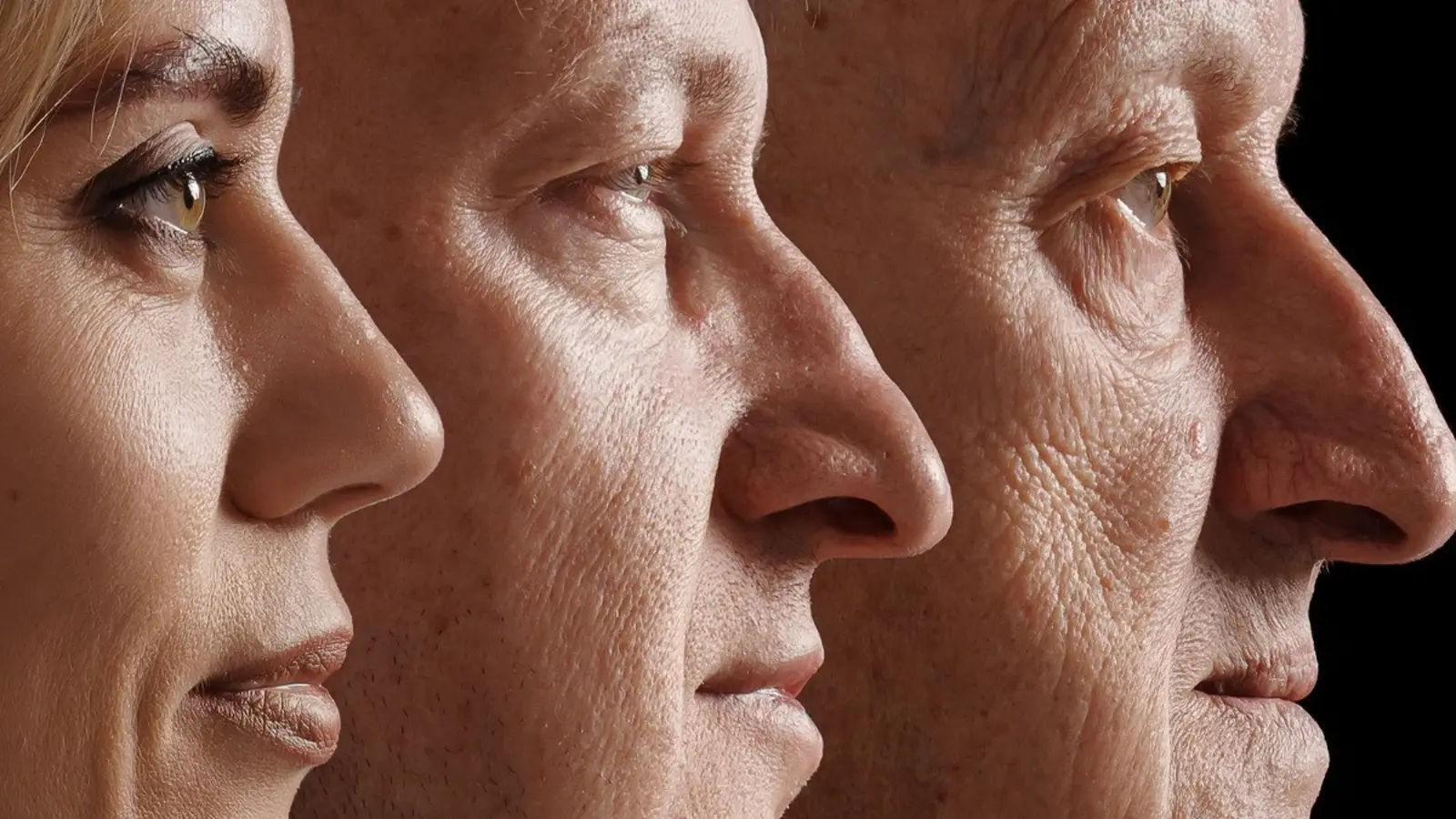
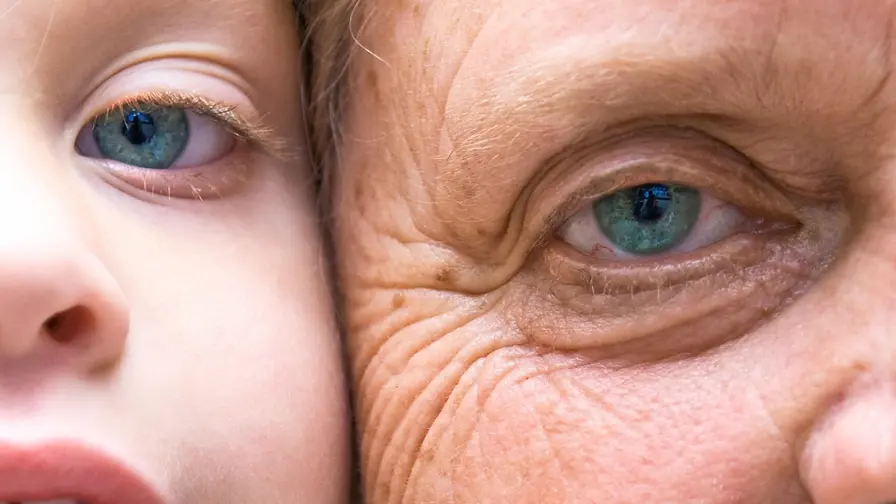
They look the same on paper, but their cells tell a different story. Recent research suggests that people born in more recent decades show blood signatures of accelerated biological aging compared with earlier generations at the same chronological age.
When birthdays stop telling the whole story
Chronological age is simple: a tally of years. Biological age is messier. It tries to capture the wear and tear written into our bodies — from low-grade inflammation to altered metabolism and immune function. Scientists use composite measures, derived from blood tests and other biomarkers, to estimate how old your tissues and systems appear relative to your calendar age. And when researchers compared such estimates across generations, the result was unsettling.
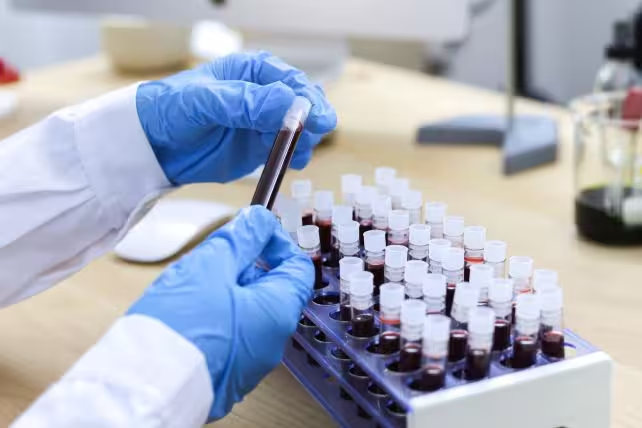
A team led by molecular epidemiologist Yin Cao examined two very large datasets to compare biological-age profiles across birth cohorts. The UK Biobank provided blood-marker data from more than 154,000 adults, spanning those born in the early 1950s up to people born in the late 1960s and early 1970s. The US All of Us program contributed health records for over 10,000 adults born either in the 1960s or the 1990s. The metric at the centre of the analysis is called PhenoAge, which combines chronological age with nine blood biomarkers such as C-reactive protein, glucose, creatinine, albumin, and white blood cell counts to yield a single biological-age estimate.

How bad is the gap?
The comparisons were striking. In the UK sample, people born between 1965 and 1974 had a standardized PhenoAge gap about 23 percent higher than those born between 1950 and 1954. In the US sample the trend was even larger: those born in the 1990s showed a 92 percent higher standardized age gap relative to people born in the mid-1960s. In plain language, more recent birth cohorts appear, on average, slightly biologically older than earlier cohorts were at the same ages.
That difference is small at the individual level but meaningful at population scale. Small shifts across millions of people can change the landscape of disease and public health planning. And the patterns did not remain academic: the researchers linked higher age-gap scores to greater risk of developing cancer before age 55, particularly cancers of the lung, digestive tract, and uterus.
Biomarkers, cancer risk, and what they reveal
For every standard-deviation increase in the age-gap score, the risk of early-onset solid cancers rose by about 8 percent. Lung cancer showed the strongest association: a 57 percent higher risk per standard deviation increase. Crucially, these relationships persisted after statistical adjustments for known contributors such as smoking, obesity, telomere length, and inherited genetic risk. That implies biological aging, as captured by blood markers, is picking up risk signals beyond the usual suspects.
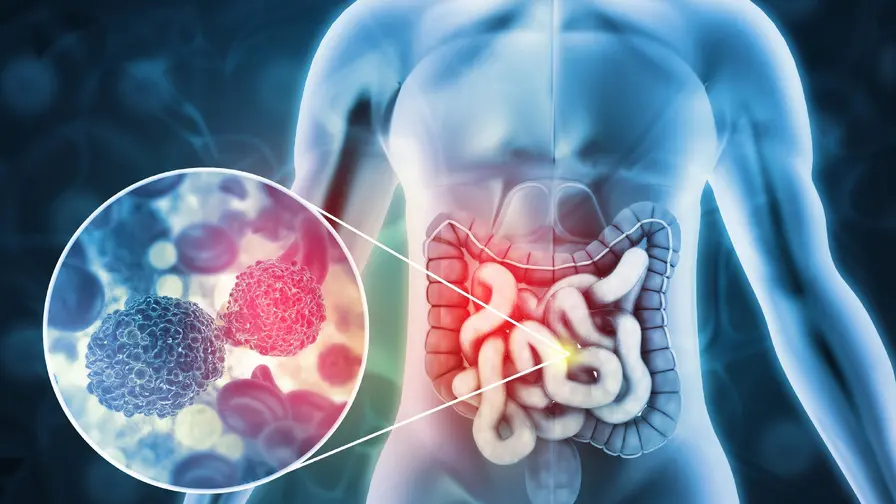
The study went further and examined different signatures of aging. When the team looked at proteomics data — measurements of thousands of circulating proteins — they found that markers of immune aging aligned more closely with early-onset lung cancer risk. Another aging axis, which reflects advanced fat tissue aging, associated more with early-onset colorectal cancer. These divergent links point to multiple biological pathways through which modern environments can influence cancer risk.
"If we can identify younger people with the highest cancer risk while they are still healthy, we can focus prevention and early-detection strategies on those who will benefit most," Yin Cao said about the study's translational aim. The research, published in Nature Medicine, does not claim causation, but it does suggest that population-level shifts in physiology may help explain trends in earlier cancer onset.
Drivers and open questions
What might be driving these cohort differences? The short answer is: probably many factors acting together. Diet, sedentary lifestyles, environmental pollution, shifting patterns of infections, reproductive factors, stress, and social determinants of health have all changed across generations. Each can leave molecular footprints. Chronic low-level inflammation, for example, is a common thread: it shows up in CRP and other immune markers and is implicated in many age-related diseases, including cancer.
Still, the study cannot yet disentangle which exposures matter most, or how early in life the relevant changes begin. Are lifestyles in adolescence and early adulthood shaping biological aging decades later? Or do prenatal and early-childhood environments set trajectories that manifest in blood biomarkers by midlife? Longitudinal studies that follow people from birth through adulthood, with repeated biomarker sampling, will be essential to answer those questions.
Expert Insight
"This work reframes how we think about cancer risk by putting bodily systems front and center," says Dr. Laura Mendes, a fictional epidemiologist and public health researcher who studies aging biomarkers. "Rather than treating cancer solely as a problem of accumulated mutations, we can look at the host environment — inflammation, immune competence, metabolic regulation — and ask how societal change is reshaping those environments. That opens the door to prevention strategies targeted to biology, not just to behaviour."
Implications for prevention and policy
Population-level aging signals offer a potential new lever for public health. If clinicians can identify people with elevated biological age at relatively young ages, they might tailor screening intervals, recommend specific lifestyle interventions, or offer preventive therapies that address the biological pathways implicated in risk. For example, if immune aging predicts lung cancer risk independent of smoking, then immune-targeted prevention could complement traditional tobacco-control programs.
But there are cautions. Biomarker-based risk prediction must prove accurate and equitable across diverse populations. Clinical decisions made on the basis of such scores would require randomized trials to show benefit and to avoid harm, such as unnecessary testing or anxiety. Moreover, the factors driving cohort-level aging are largely social and environmental. Tackling them will require policy-level changes — cleaner air, healthier food systems, better access to preventive care, and policies that reduce inequality.
Conclusion

Emerging evidence suggests that more recent birth cohorts are showing modest but measurable signs of accelerated biological aging, and that these signatures correlate with higher risk of several early-onset cancers. The findings do not doom younger generations, but they do shift attention toward the hidden, cumulative effects of modern life on physiology. Moving from population signals to targeted prevention will be challenging. It is also a clear opportunity: understanding how environments become biologically embedded could allow prevention to be both smarter and more personal.

“The cosmos has always fascinated me. I write about space missions, astronomy, and the technologies pushing humanity beyond Earth.”

Discussion
Leave a Comment
Comments (3)
Promising results but feels overhyped. Associations ≠ causation, and biomarkers vary by ancestry, SES, assay batch etc. Show me RCTs
Whoa, this hits different. Modern life stealth-aging us? Coffee, screens, junk food, stress — feels ominous… need solutions
If cohorts really age faster, is it prenatal exposures, teen lifestyles, or just sampling bias? Hard to tell without longitudinals. idk