

A slow trickle of new neurons keeps the adult hippocampus alive and adaptable. New research suggests that when that flow stalls, depressive illness may gain a foothold.
Depression was associated with a striking slowdown in the birth of new hippocampal neurons, alongside molecular disruptions in circuits involved in memory and emotion.
Why a small population of newborn cells matters
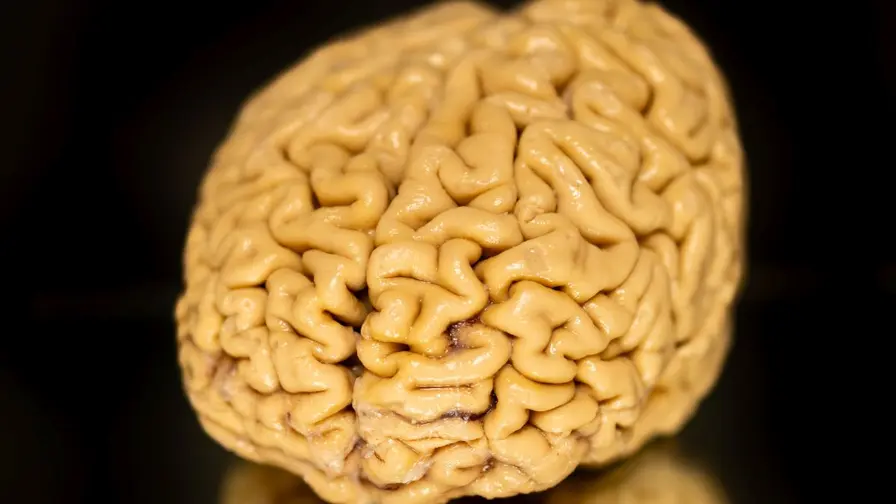
Most of the brain's roughly one hundred billion neurons form before birth. Yet the hippocampus, a seahorse-shaped structure tucked deep inside the temporal lobe, quietly generates a modest stream of new neurons throughout adulthood. For decades neuroscientists debated whether this adult neurogenesis mattered. The latest analysis from Columbia University Vagelos College of Physicians and Surgeons provides an answer: yes, and the effect may be central to how some people develop major depressive disorder.
The team found that adults diagnosed with major depression show a pronounced slowdown in the generation of new hippocampal neurons. That change did not occur in isolation. It arrived alongside broad molecular shifts across the hippocampal circuits that encode episodic memories and attach emotional meaning to them. Put simply: the brain’s capacity to form fresh memory traces and to separate those traces from old, emotionally charged ones appears compromised.
Pattern separation is the technical term for the ability to keep similar experiences distinct in memory. When it works, a quiet lunch feels like a unique event; when it falters, past moments of rejection or sadness bleed into present interactions. Clinicians have long recognized this tendency in people with depression, who often retrieve negative memories more easily than neutral or positive ones. The new study links that clinical observation to biological changes in the hippocampus itself.
"Historically, depression was thought to be a disease of neurotransmitter deficiency, especially serotonin, but we now think that depression stems from multiple issues that affect our neurons' ability to adapt to stress and changing environments," said Maura Dupont, professor of psychiatry and lead author of the work. "Without the ability to create new neurons, people with depression may not have the resilience to effectively adapt to the environment."

Maura Dupont
Molecular fingerprints and circuit-wide disruption
The paper did more than document fewer newborn neurons. Using single-cell molecular profiling, the investigators mapped activity across nearly half a million hippocampal cells taken from people with and without depression shortly after death. That scale lets researchers see which genes are turned up or down inside each cell type, and where altered cells sit within known hippocampal pathways.
Results were strikingly systematic. Genes linked to forming synapses, to the cellular machinery that transports proteins, and to energy metabolism all showed abnormal activity. The trisynaptic pathway, a major hippocampal route that helps build emotional memories, bore signs of inflammation and cellular stress. In other words, the effect of depression extended beyond the handful of newborn neurons into broader circuits that store and retrieve emotionally laden episodes.
Some affected genes also contain genetic variants previously associated with major depressive disorder, strengthening the link between molecular change and disease risk. Others displayed epigenetic alterations. Epigenetics here acts like a dimmer switch for gene activity: life experiences such as chronic stress can dial genes up or down without changing the DNA sequence itself.
Animal studies have shown that adult-generated neurons are particularly responsive to new experiences and integrate readily into circuits that require plasticity. Experiments in mice indicate these cells support pattern separation, and observations in humans treated with hippocampal radiation for tumors — which eliminates local neurogenesis — provide suggestive clinical parallels. Still, the precise causal chain in people remains an active topic of research.
What this means for treatments and diagnosis
The study’s authors argue that depression may not be a single molecular entity. Instead, major depressive disorder might encompass several biological subtypes, each defined by different cellular and molecular deficits. If that classification proves robust, it could shift treatment strategy away from one-size-fits-all approaches and toward interventions matched to a person’s molecular signature, similar to how oncology moved from organ-based labels toward molecularly defined cancer types.
One clear implication: restoring or enhancing adult hippocampal neurogenesis could be therapeutic for at least a subset of patients. That restoration might come from drugs that target the identified molecular programs, from interventions that reduce inflammatory stress in hippocampal circuits, or from behavioral approaches known to promote neurogenesis, such as exercise and enriched environments. Each route will require careful testing in clinical trials.


Spatial map of hippocampal cells reveals distinct molecular signatures across memory-related circuits, highlighting changes associated with depression and disrupted adult neurogenesis.
Expert Insight
"The idea that adult-born neurons serve as a kind of biological fresh start for memories helps explain why their loss could promote persistent negative biases in thinking," said Dr. Lena Torres, a neurobiologist at the University of Cambridge who was not involved in the study. "What this paper adds is a high-resolution map linking cell types and molecular pathways to clinical depression. That map points to concrete targets we can test in translational studies."
Practical steps will be slow. Translating cell-level findings into therapies demands rigorous proof that changing neurogenesis or the associated molecular programs produces measurable clinical benefit. Still, the convergence of genetic, epigenetic, and cell-type specific evidence elevates the hypothesis beyond isolated observation toward a testable framework.
The researchers studied nearly half a million brain cells, combining gene-activity and protein data to place each cell within the hippocampal circuit and identify which cells were most affected. This dataset creates a resource other groups can mine to explore questions about vulnerability, resilience, and individualized treatment targets.
Conclusion
The discovery that adult neurogenesis stalls in many people with major depressive disorder reframes a longstanding clinical puzzle. It links a subtle cellular deficit to cognitive and emotional symptoms clinicians observe every day. More broadly, the work argues for thinking about depression as a set of molecularly distinct conditions rather than a single uniform illness. That shift could lead to more precise diagnostics and, ultimately, to treatments tailored to the biological underpinnings of each patient’s condition.
The researchers propose next steps that include longitudinal studies to determine whether changes in neurogenesis precede depressive episodes, and interventional trials to test whether interventions that restore hippocampal plasticity also relieve symptoms. Those studies will be essential to move from compelling correlative data toward therapies that alter disease course.

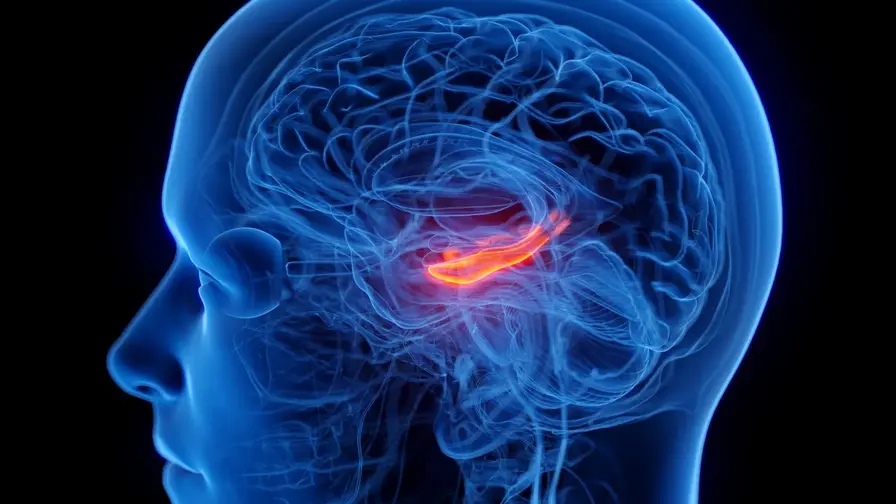
The researchers examined nearly half a million brain cells from the hippocampus of depressed and non-depressed individuals, finding that the whole circuit suffers from molecular changes in depression. Colored circles mark different types of neurons in a hippocampus examined by the researchers.

“My work centers on sustainability, energy, and environmental science — examining how innovation can lead to a greener future.”

Discussion
Leave a Comment
Comments (3)
I've seen this kinda thing clinically, ppl still stuck in old pain. Restoring neurogenesis sounds promising, but slow work imo
Is this even causal? Correlation doesnt equal causation, right... need longitudinal proof before new treatments get hyped
Wow, didn't expect this. Neurogenesis as a fresh start for memories - kinda poetic and scary. If true...