
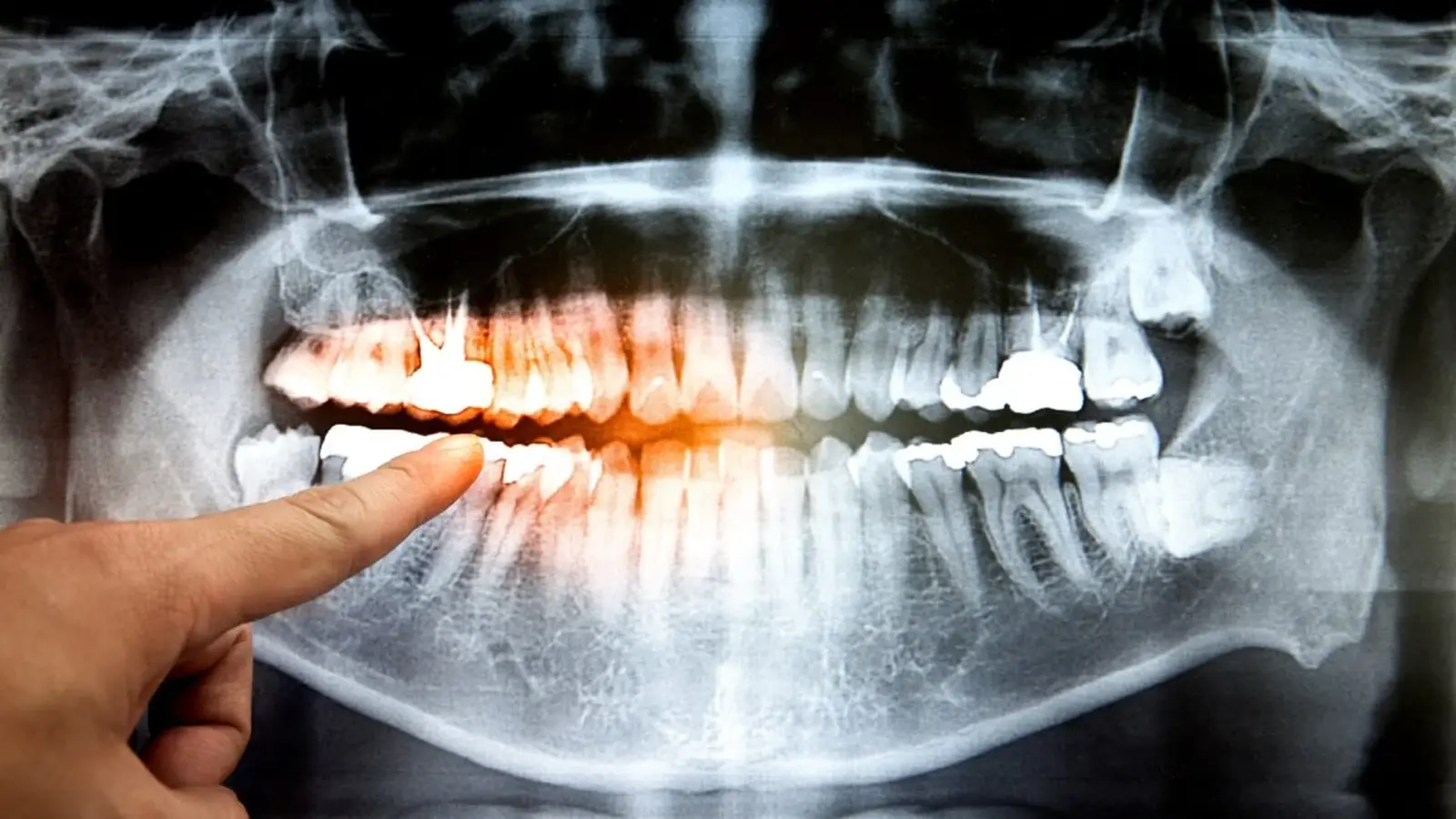
Imagine a simple dental chart whispering an urgent public-health message. Few things feel as mundane as counting teeth, yet a large new study from Japan suggests that the number of teeth you have in old age could signal much more than oral status — it may point to future cognitive trouble.
A surprising signal from a basic metric
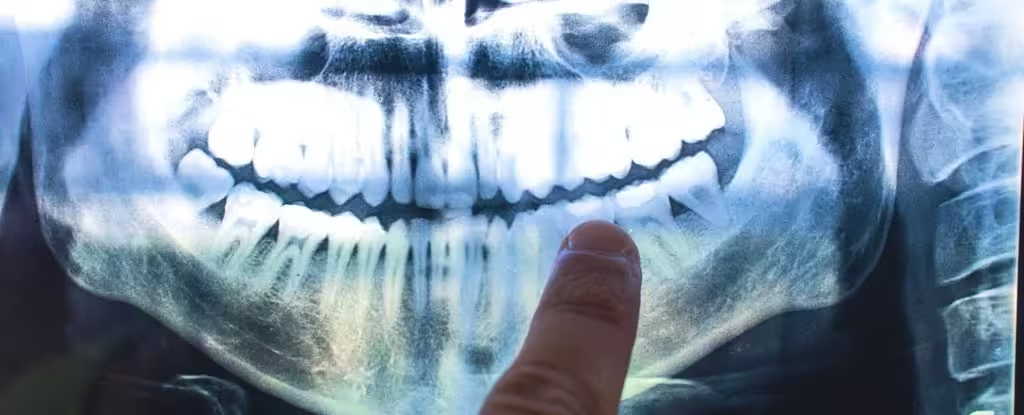
Researchers mining data from more than 47,000 adults aged 65 and older found a clear relationship: as the number of remaining teeth fell, the incidence of dementia rose. The pattern was not subtle. People with no natural teeth developed dementia at rates many times higher than those with 20 or more. A simple tooth count—an endpoint that reflects decades of dental disease, restorations, and care access—behaved like a population-level alarm bell.
Why would oral health matter so much for the brain? The answer likely has several strands: mechanical, biological, and social. Chewing affects diet and nutrition. Chronic gum disease drives local and systemic inflammation. Tooth loss can change social behavior and self-image, nudging people toward isolation. These pathways are plausible, and the Japanese team laid out how tooth loss might raise dementia risk via each route, while stressing that observational work cannot prove causation.
The Japan Gerontological Evaluation Study: methods and headline findings
The analysis used nine years of follow-up from the Japan Gerontological Evaluation Study (JAGES), covering 47,293 participants tracked between 2013 and 2022. During that period, 8,247 people, or roughly 17 percent of the cohort, were recorded as developing dementia. The investigators grouped participants by remaining teeth: 20 or more, 10–19, 1–9, and none, and calculated dementia incidence per 100 person-years: about 1.63 for 20 or more teeth, 2.31 for 10–19, 2.97 for 1–9, and 4.34 for those with no teeth.
After statistical adjustment for age, sex, and equivalent income, the study reported higher relative dementia risks for people with fewer teeth: a modest increase for those with 10–19 or 1–9 teeth and a notably larger rise when no teeth remained. To translate population impact, the team used population attributable fractions, or PAFs, which estimate how much of a disease burden could be explained by a risk factor if it were causal. Tooth loss had an overall PAF of 7.2 percent, ranking third among examined modifiable factors behind depressive symptoms (10.5 percent) and social isolation (9.4 percent).
Sex differences emerged. For men, tooth loss produced the largest PAF of any factor examined—around 12 percent—while for women it was lower, about 6.1 percent. That pattern hints at gendered interactions among behavior, biology, and social networks that deserve deeper probing.
Interpreting PAFs, limits, and alternative explanations

Population attributable fractions are useful for public-health planning, but they are not proof of causation. The JAGES data are largely self-reported, which introduces measurement error: some participants may miscount or misclassify their teeth or dementia status. The study could not assess two Lancet Commission risk factors—high LDL cholesterol and air pollution—because those data were unavailable, and residual confounding remains a concern. For example, lifelong socioeconomic disadvantage can reduce dental care access, shape diet, and increase dementia risk through multiple channels. Could tooth loss simply be a proxy for those broader disadvantages?
Still, several biologically plausible mechanisms link oral status and cognition. Poor dentition can limit chewing efficiency, reducing intake of nutrient-dense foods such as fruits, vegetables, and lean proteins that support brain health. Periodontal pathogens and chronic oral inflammation may seed systemic inflammation, which is increasingly implicated in neurodegenerative processes. The oral microbiome itself can influence systemic disease through immune and metabolic pathways. And losing teeth may accelerate social withdrawal, depriving people of the cognitive stimulation provided by conversations and community life.
Expert Insight
"The study reminds clinicians and policymakers that oral health is not an isolated concern; it interlocks with nutrition, inflammation, and social support, all of which matter for brain aging," says Dr. Emily Carter, a geriatric neurologist at the Midwest Memory Institute. "Even if we cannot yet claim direct causation, prioritizing dental access and affordable prosthetic options could be a practical, low-risk component of dementia prevention strategies."
What this means for prevention and policy
For decades, influential reviews of dementia risk have emphasized factors such as education, hearing loss, hypertension, and lifestyle behaviors. Oral health did not make the most recent Lancet Commission list of 14 modifiable risk factors, and that omission shaped subsequent guidelines. The Japanese findings argue for a re-evaluation: at least in certain populations, tooth loss may account for a larger share of dementia cases than well-known factors like physical inactivity or smoking.
Policy responses could be straightforward. Integrating dental screening into geriatric assessments, expanding public coverage for preventive and restorative dental care, and educating clinicians about oral-systemic links are achievable steps. Community programs that combine nutritional counseling with basic dental services and social engagement activities would attack several risk pathways at once.
On the research side, randomized trials remain the gold standard for testing causality. Could prosthetic rehabilitation, periodontal treatment, or intensive nutritional support lower cognitive decline rates? Longitudinal studies that collect objective dental exams, biomarkers of inflammation, and detailed socioeconomic data will help clarify mechanisms and population-specific effects.
Conclusion
Counting teeth may seem prosaic, but the new evidence from Japan elevates tooth loss from an oral-health outcome to a potential public-health lever for dementia prevention. The association is robust, the possible pathways are biologically plausible, and the population-level implications warrant attention. Whether tooth preservation or targeted dental interventions will reduce dementia incidence remains an open question, but one that merits serious, multidisciplinary inquiry. For clinicians, caregivers, and policymakers, the message is clear: oral health deserves a seat at the table when we plan for healthy brain aging.

“My work centers on sustainability, energy, and environmental science — examining how innovation can lead to a greener future.”

Discussion
Leave a Comment
Comments (3)
I've seen this in my family, grandma lost teeth then memory slipped fast. Maybe dentures + social groups could help, just a thought
Is this even true? Tooth count as predictor feels like a proxy for poverty, diet, access to care. Observational only, right? hmm
Wow didn't expect teeth count to flag dementia... kinda freaky. Makes me wanna floss, eat better and book a dentist appt asap