
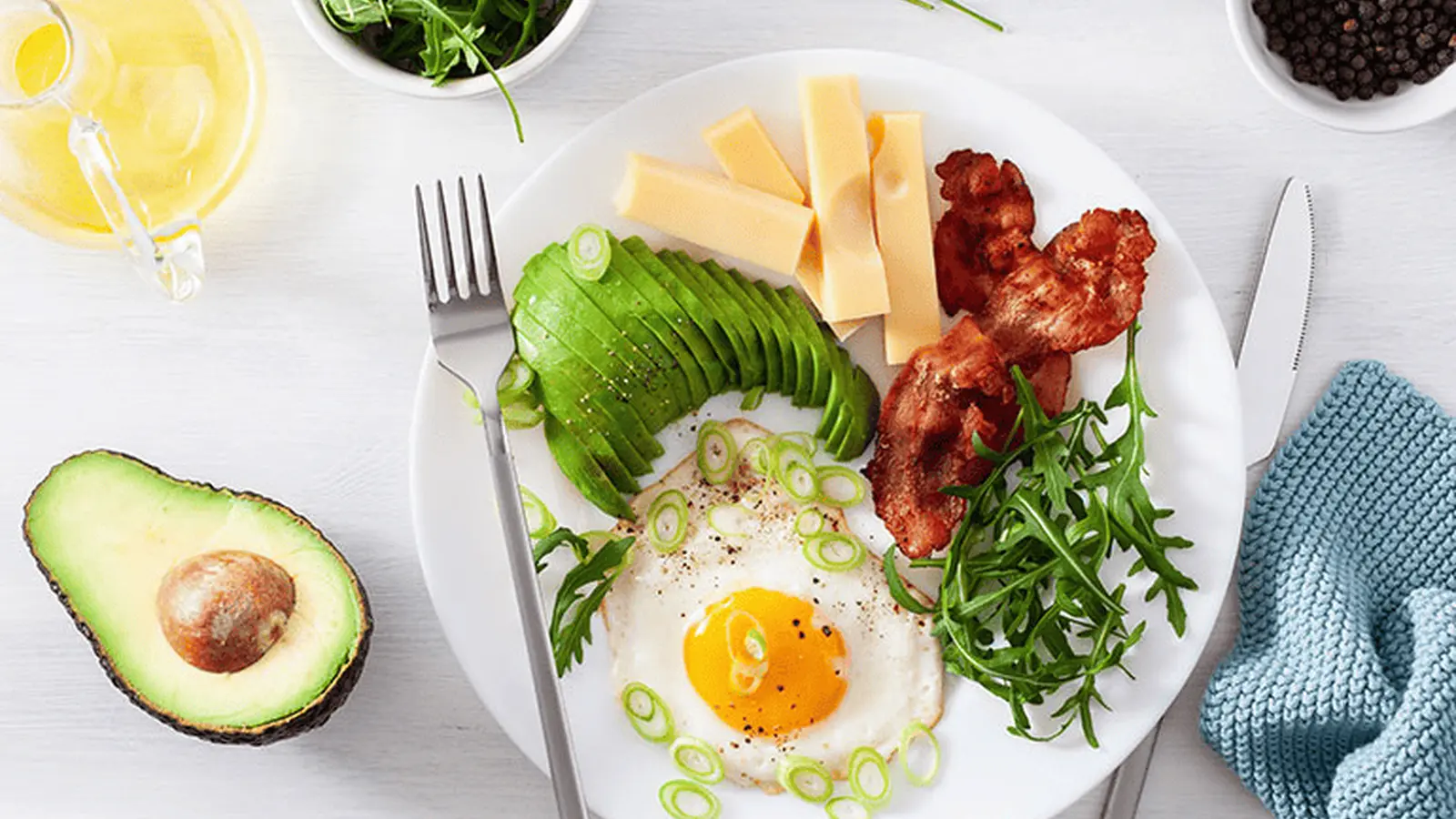
Picture two groups of mice in a metabolic study: both placed on ketogenic regimens, both consuming similar total fat, calories, and carbohydrate restrictions. And yet, within three weeks one group shows a quiet flare of inflammation across organs while the other looks much like animals on a conventional diet. Why did nearly identical diets produce such different immune responses? The answer points away from ketosis itself and toward the type of fat on the plate.
Crisco versus coconut oil: a simple switch with big effects
Researchers at the University of Cincinnati tracked animals fed one of three diets for 21 days. One ketogenic group ate a shortening-based formula akin to Crisco, rich in long-chain saturated fatty acids. Another keto group received a coconut oil-based fat, which—while calorically similar—contains a far smaller proportion of long-chain saturated fats. The third group stayed on a standard laboratory chow for comparison.
What the team observed was striking. Mice on the Crisco-like keto diet accumulated higher numbers of proinflammatory macrophages in the heart, kidneys, liver, brain, and white adipose tissue. The coconut oil group did not show the same immune activation; their inflammatory markers remained closer to baseline. The authors reported these findings in Science Advances and cautioned that subtle shifts in fatty-acid composition can flip a diet from anti-inflammatory to proinflammatory.
"Our previous studies have found that all ketogenic diets are not the same, with different fats causing different metabolic changes," said David Gius, director of the University of Cincinnati Cancer Center. "We followed the research data while studying a different aspect of ketogenic diets and found something unexpected."
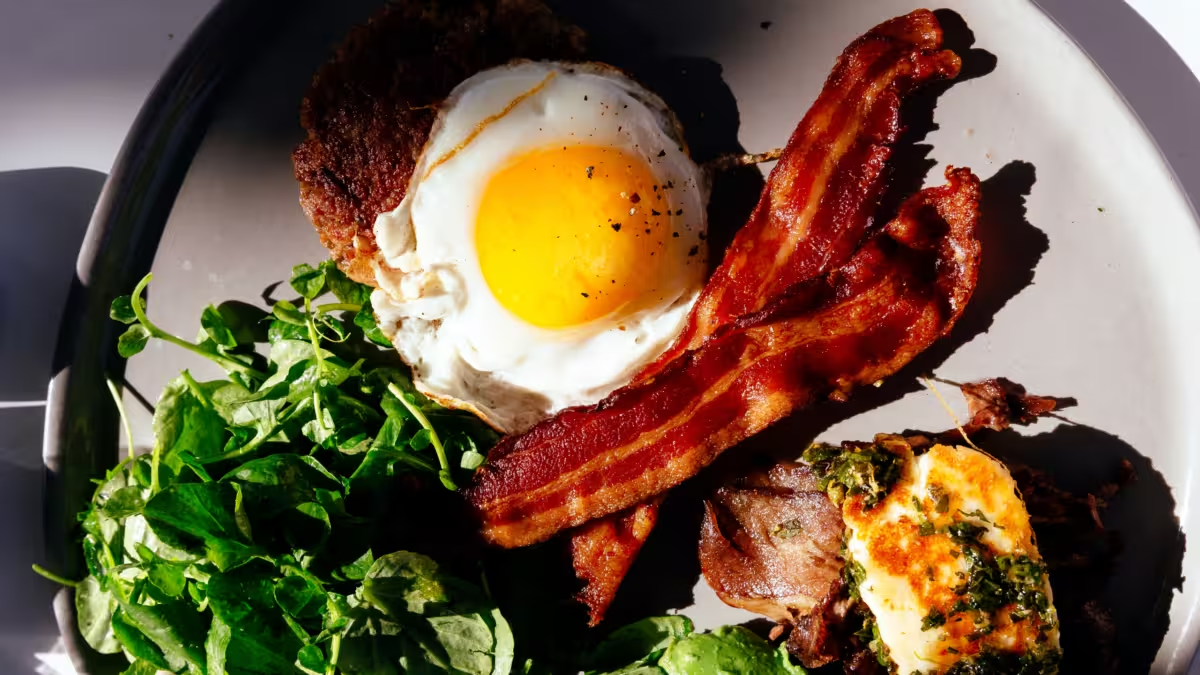
Mechanisms: mitochondria, macrophages, and a threshold effect
The paper links the proinflammatory signal to mitochondrial stress. Long-chain saturated fatty acids appear to stress mitochondria in certain cell types, releasing signals that attract and activate macrophages, the immune cells that drive inflammation when they adopt a proinflammatory profile. The researchers propose that the harmful effects emerge only after a threshold of exposure to these fatty acids is exceeded; small differences in fat composition thus become physiologically meaningful.
It is an important nuance. Ketosis and ketone bodies have been associated with anti-inflammatory pathways in other contexts. This study suggests that ketone metabolism alone does not determine immune outcomes; the availability and type of fatty acids in the diet matter, and different tissues may respond in distinct ways.
That distinction may help reconcile why some studies report anti-inflammatory effects of ketogenic diets while others find the opposite. In practice, not all keto plans are interchangeable. The specific fatty-acid profile—long-chain saturated fats versus medium-chain or unsaturated fats—can tip the balance.
How directly these rodent results map to humans remains an open question. Translational gaps between animal models and clinical outcomes are common. A comprehensive review in 2021 found no clear evidence that ketogenic diets improved tumor response or survival in cancer patients. Still, the Cincinnati team and others are curious about whether tailored ketogenic formulations might alter tumor microenvironments and influence the efficacy of cancer immunotherapies. Human trials are beginning to test those ideas, including a study underway at the University of Texas Health Science Center with a site opening in Cincinnati.
Conclusion
This research reframes a simple public-health message: when evaluating dietary strategies such as ketogenic diets, look beyond macronutrient ratios and consider the biochemical character of the fats you eat. For clinicians, researchers, and people experimenting with low-carbohydrate regimens, the take-home is clear. The type of fat may be as consequential as the state of ketosis itself.

“The cosmos has always fascinated me. I write about space missions, astronomy, and the technologies pushing humanity beyond Earth.”

Discussion
Leave a Comment
Comments (2)
Is this even true? Mice are useful but humans differ a lot, plus whats the threshold for long chain saturated fats to flip inflammation? curious...
Wow, didn't expect Crisco vs coconut to matter THIS much. Mitochondria drama.. if humans show same, keto advice needs rethinking fast