
Imagine a staple of supermarket shelves quietly moonlighting as a battery catalyst. Strange, but true. Researchers in Córdoba have taken vitamin B12 out of the nutrition aisle and put it inside an experimental rechargeable zinc-air cell, and the results say this is more than a quirky lab stunt.
Scientists have found a surprising way to combine a biological molecule with advanced carbon materials to improve rechargeable batteries.
Zinc-air chemistry is simple in concept and elegant in effect. The cell draws oxygen from the air to react with zinc, producing electricity. That design makes zinc-air cells light and energy-dense compared with many conventional batteries. They already serve niche roles where lightweight, high energy density matters, such as in hearing aids. But the catch has been rechargeability. To cycle repeatedly, the battery needs a catalyst that can reliably drive oxygen reduction during discharge and oxygen evolution during charging.
Here is where a familiar biomolecule enters the scene. Vitamin B12, or cobalamin, contains a cobalt center that is chemically active. The research team at the University of Córdoba’s Chemical Institute for Energy and the Environment attached B12 molecules to single-walled carbon nanotubes. The nanotubes act like scaffolding, keeping the water-soluble vitamin anchored inside a battery that uses a water-based electrolyte. The attachment also preserves the vitamin’s ability to mediate the oxygen reactions the cell needs to run forwards and backwards.
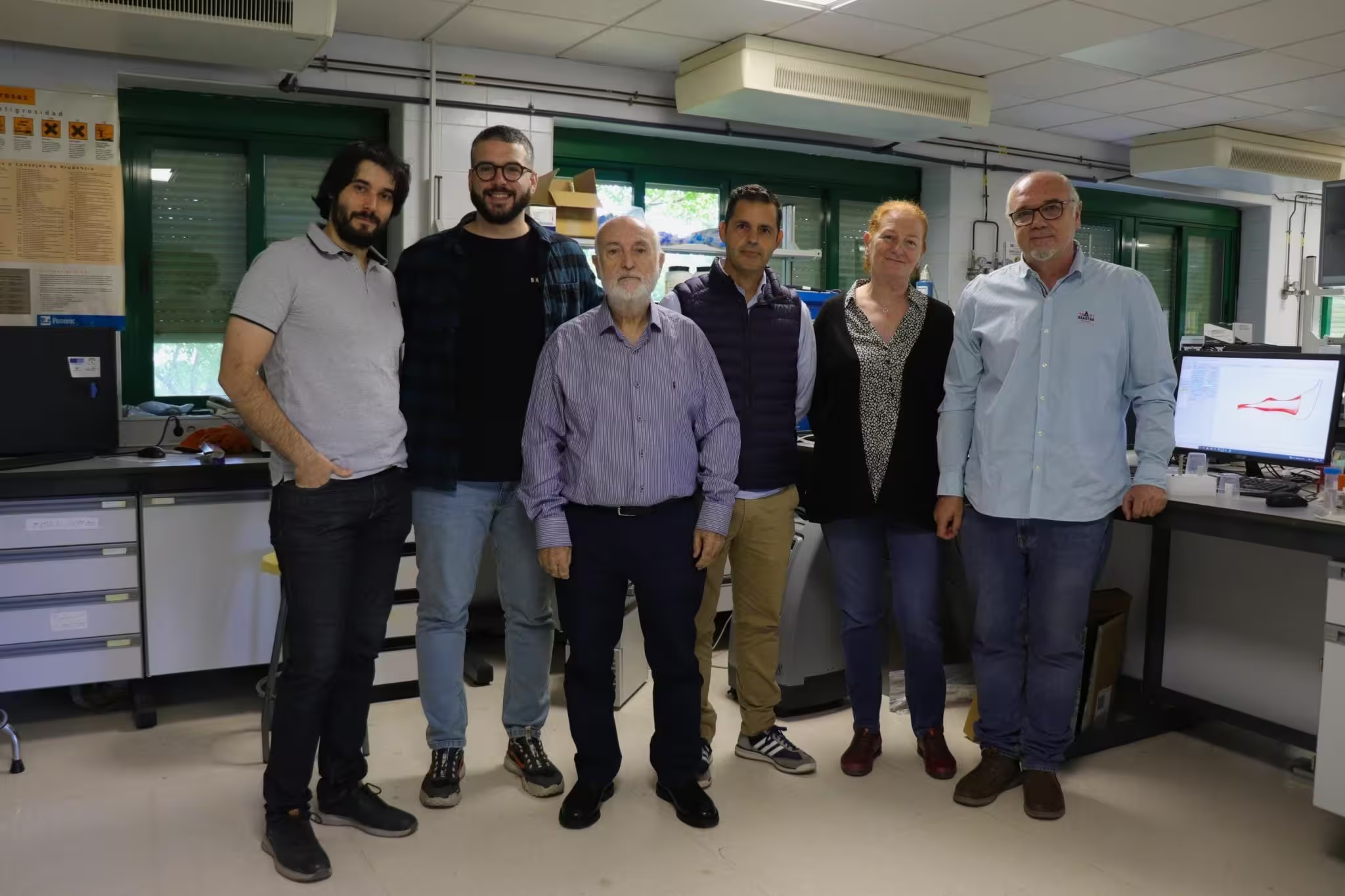
Researchers from the Physical Chemistry research group (FQM-204) at the Chemical Institute for Energy and the Environment (IQUEMA) of the University of Cordoba who have developed a rechargeable battery that runs on vitamin B-12.
Why a vitamin, and why zinc-air?
There are practical reasons beyond novelty. Zinc is abundant and recyclable. The electrolyte used in these cells is water-based and not flammable, which contrasts with many lithium-ion chemistries that rely on organic solvents. Environmental concerns and supply-chain pressures have pushed scientists to explore alternatives that are cheaper, safer, and less geopolitically fraught.
But a battery is judged by its ability to cycle. Early biomolecule-based catalysts let zinc-air cells discharge well. Recharging? That proved harder. Vitamin B12 changed that picture. The Córdoba team reports a prototype that completed roughly 250 charge and discharge cycles in lab tests. That is not yet commercial longevity, but it is a clear step forward from single-use zinc-air cells and earlier biomolecule attempts.
How the chemistry works
During discharge, the catalyst must help reduce oxygen to form hydroxide or water, depending on the electrolyte. During charging, the reverse must occur: oxygen must be evolved back into the air. B12’s cobalt center toggles between oxidation states and supports both directions. The carbon nanotubes do double duty. They provide electronic conductivity and hold the B12 in place, mimicking how amino acids anchor molecules inside proteins.

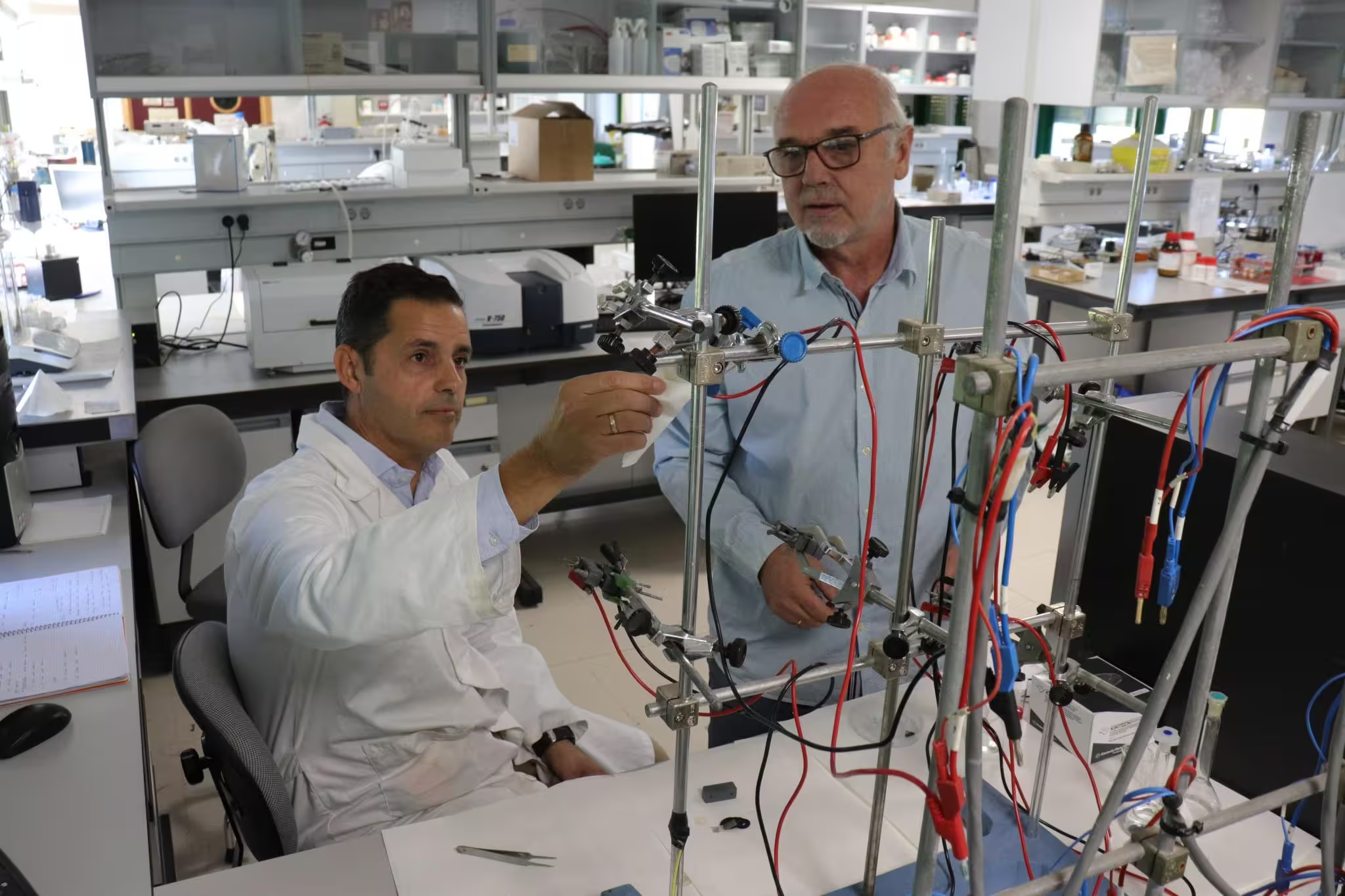
Researchers from the Physical Chemistry research group (FQM-204) at the Chemical Institute for Energy and the Environment (IQUEMA) of the University of Cordoba who have developed a rechargeable battery that runs on vitamin B-12.
The Córdoba group did not stop at theory. They have built and tested prototypes. The most notable advance is adding real rechargeability to a biological-catalyst zinc-air design. In previous versions the team explored hemoglobin and catalase as catalyst sources; both contain iron and gave useful catalytic effects but did not yield a practical rechargeable cell. B12 pushed the envelope toward something closer to a usable energy storage device.
Potential and limits
What might this mean for the broader energy landscape? If cheap, stable biomolecule-based catalysts can be paired with abundant metals like zinc, we could imagine grid-scale storage systems that avoid certain raw-material bottlenecks and reduce fire risk. That would make storing surplus wind and solar electricity more affordable and potentially less controversial.
There are caveats. Lab cycles do not fully capture long-term degradation modes, manufacturing scale, cost of B12 functionalization, or the robustness of nanotube attachments over thousands of cycles and varying temperatures. Commercial batteries need consistent performance, predictable safety margins, and economics that compete with existing technologies.
As study author Manuel Cano Luna put it, the group looked to natural materials for properties that can be repurposed in new batteries. Researcher Antonio Jesús Fernández Romero added that vitamin B12 "has proven to meet the necessary conditions to act as a good catalyst because, during discharge, it catalyzes the reduction of oxygen to water and, during recharging, it promotes the production of oxygen".
Expert Insight
"This work is smart because it blends biology with materials science in a way that addresses a real technical bottleneck, not just a novelty trick," says Dr. Elena Martín, a materials chemist who studies electrode interfaces. "There is a long path from a promising prototype to deployment, but using abundant metals and benign electrolytes aligns well with sustainability goals. The next steps will be scaling synthesis and stress-testing under real-world conditions."
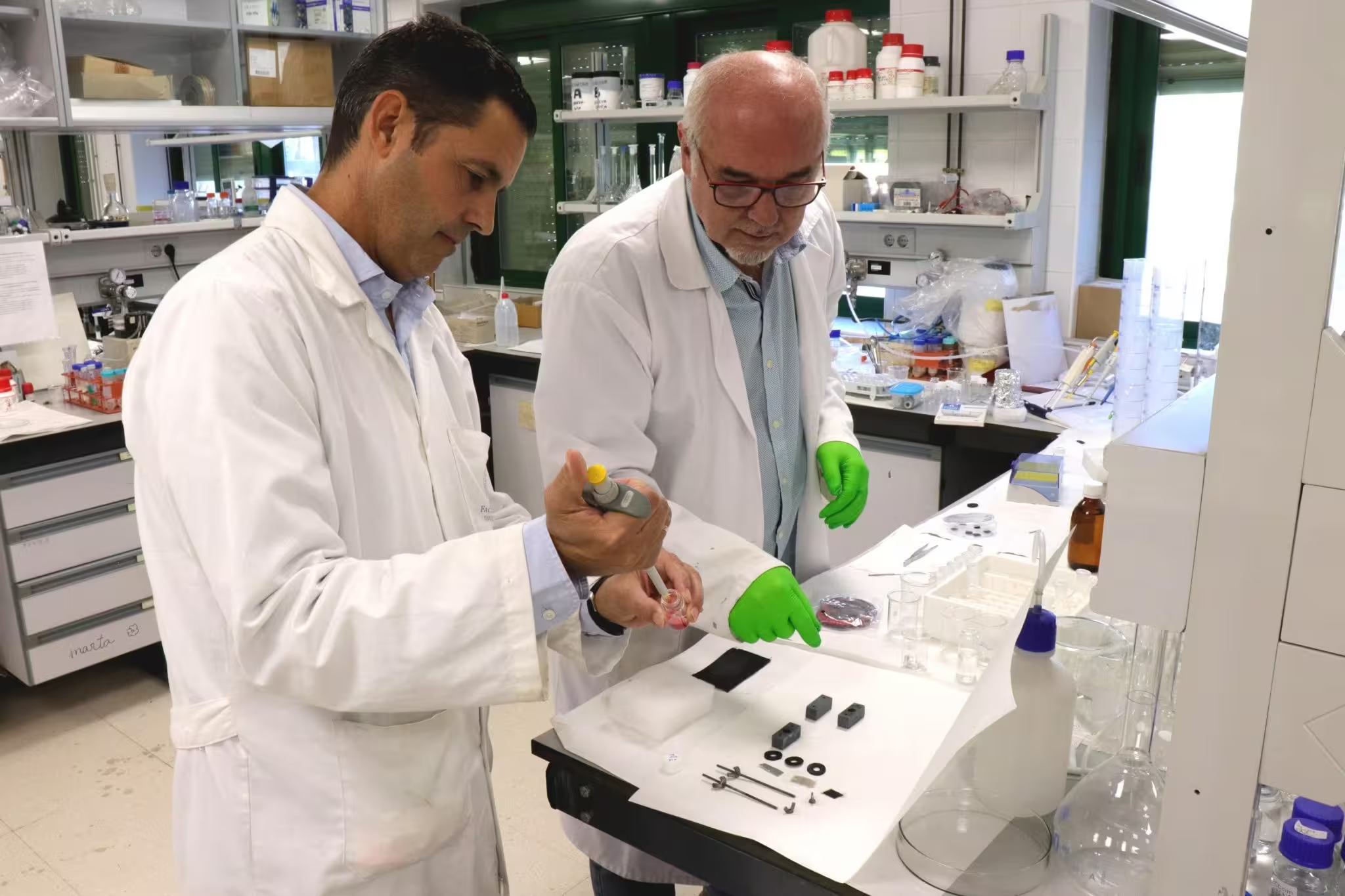
Researchers Manuel Cano Luna and Antonio Jesús Fernández Romero, part of the research team that has developed a rechargable battery that runs on Vitamin B-12.

At the moment this is exploratory research, not a plug-and-play replacement for lithium-ion packs in electric vehicles or grid storage. Yet the study underscores a broader lesson: solutions can come from unexpected places, including the molecular toolbox of life. Borrowing motifs from biology, then augmenting them with engineered carbon frameworks, offers a creative route toward safer, cheaper, and more sustainable battery chemistries.

“My work centers on sustainability, energy, and environmental science — examining how innovation can lead to a greener future.”

Discussion
Leave a Comment
Comments (1)
Wait, vitamin B12 as a battery catalyst? Wild idea, kinda brilliant. Hope it scales tho, nanotube costs could kill the eco win