
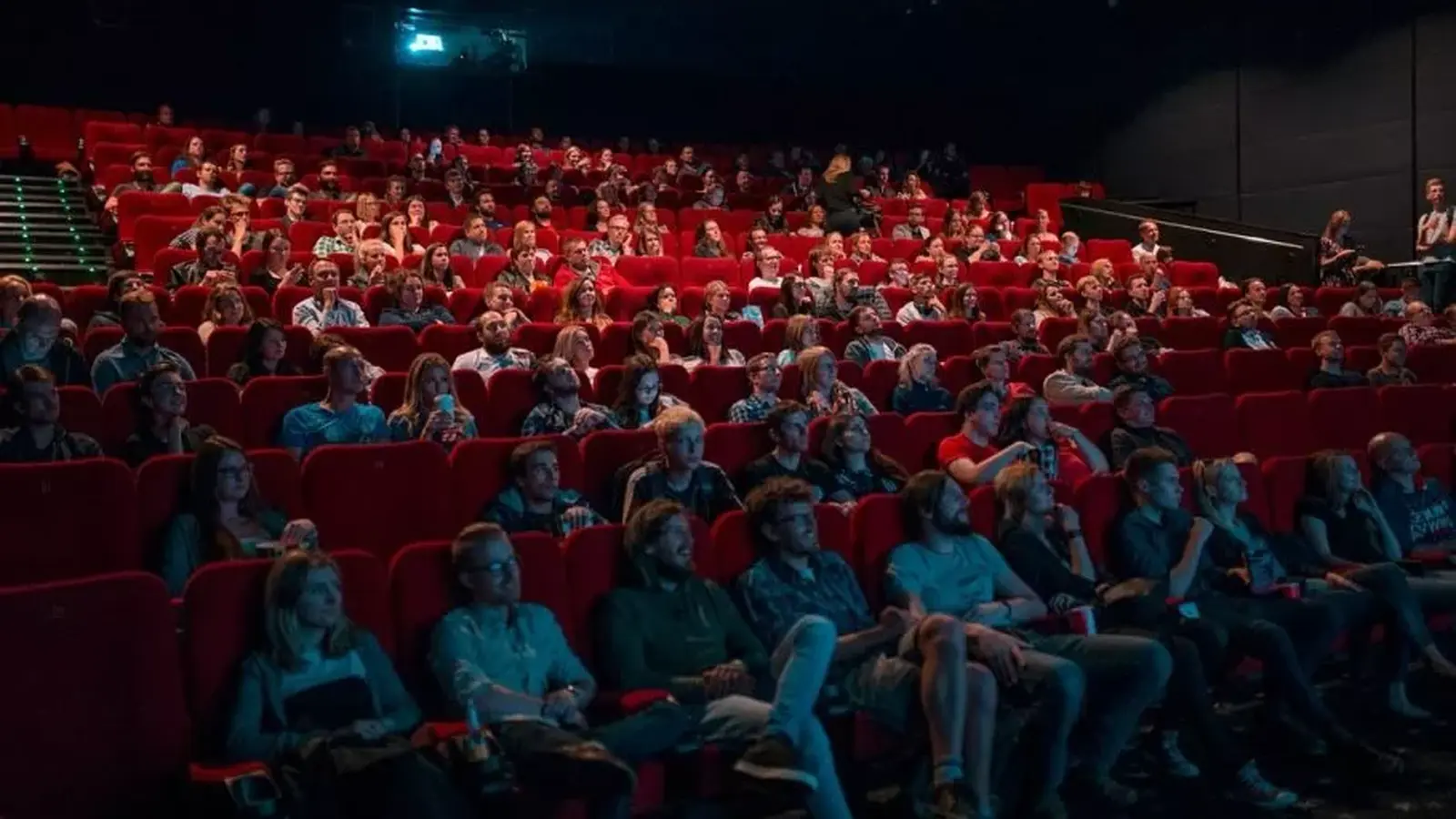
Can an evening at the cinema or a visit to a museum actually keep your body younger? A new analysis from researchers in Tokyo suggests the answer might be yes. Their data shows that regular participation in cultural activities correlates with a lower physiological age, a measure that captures how well the body is functioning versus the number on the birthday cake.
How the researchers measured aging and culture
The team worked with health data from 1,899 adults whose information had been recorded at least twice between 2004 and 2009. Nurses collected ten established biological markers commonly used to estimate physiological aging. These indicators included pulse pressure, diastolic blood pressure, a measure of expiratory strength, hemoglobin concentration, fibrinogen levels, glycated hemoglobin, low-density lipoprotein cholesterol, body mass index, handgrip strength and walking speed. Combined, those values produced a single composite score that estimates an individual’s physiological age.
Participants also completed a questionnaire about how often they attended cultural venues: cinemas, museums, art galleries, theater, concerts and opera. Frequency was scored from zero for never up to five for attending twice a month or more. Scores from the six categories were summed to give each person a cultural participation index that ranged from zero to fifteen.
.avif)
The headline result was straightforward. People with higher cultural participation had a mean physiological age of 66.9 years. Those with lower engagement averaged 69.9 years. That difference, roughly three years, persisted after the researchers accounted for basic demographic factors in their analysis.
What might explain the link? The study authors point to mechanisms that are familiar from broader public health research: attending cultural events often fosters social connections, encourages physical mobility and invites mental stimulation. All of these can support cardiovascular health, metabolic control and physical function, and they can reduce stress and depression. In short, arts participation may act as a bundle of low-cost, low-risk behaviors that together influence bodily aging.
Context and caveats
It would be a mistake to read the result as proof that theater nights directly reverse the biological clock. The people who attended cultural events more often were disproportionately women, had higher socioeconomic status, were more likely to be employed and reported better general health. These factors can confound results. Still, the analysis improves on many previous studies because it links concrete biomarker data to an objective measure of cultural engagement, rather than relying solely on self-reported wellbeing.
Medical Xpress covered the study, which is published in the journal Epidemiology and Community Health. The authors emphasize that cultural participation is a potentially modifiable behavior. In public health terms, that makes it an attractive target: if frequent engagement with arts venues can be encouraged with community programs or better access, the downstream benefits could include healthier aging at a population level.
Conclusion
The finding does not reduce the complexity of aging to a single cause, nor does it suggest that attending the opera is a magic bullet. But it does add to a growing body of evidence that social and cultural life matter for physical health. So next time you hesitate to buy a ticket, consider this: an hour of art might do more than lift your spirits. It could be a small investment in a younger, healthier body.

“My work centers on sustainability, energy, and environmental science — examining how innovation can lead to a greener future.”

Discussion
Leave a Comment
Comments (2)
Is the effect causal though? Maybe wealthier folks just attend more and have better healthcare. 3 years isn't huge, curious to see more rigorous followups pls
Wow, kinda mindblowing... culture linked to a younger body? Sounds promising but confounders prob strong, still gonna buy a museum ticket lol