
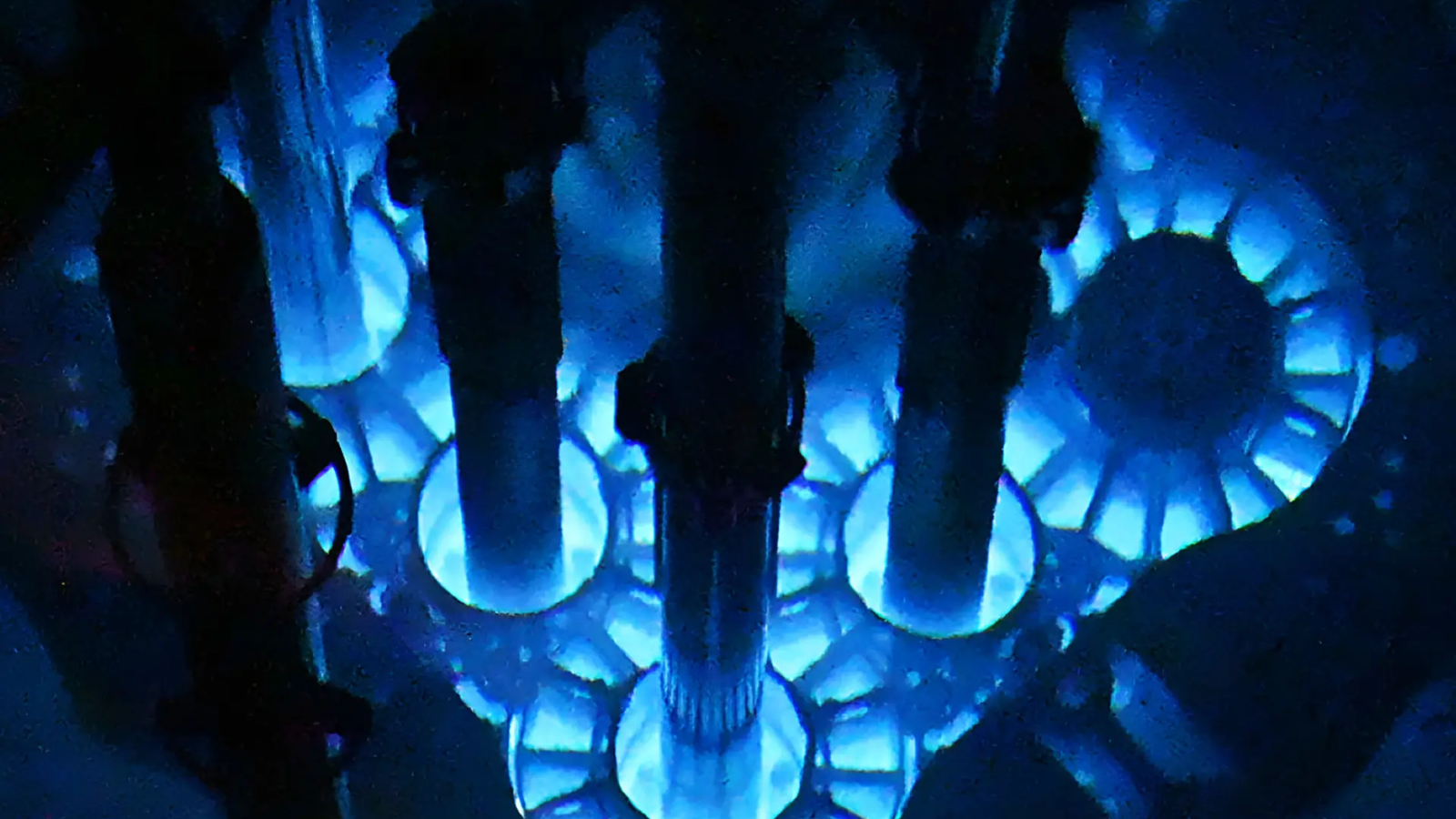
Picture a warehouse of glowing, sealed cylinders—an inventory so valuable that, if fully recovered, it could reshape markets and medical supply chains alike. For decades the United States has treated that inventory as a problem to be hidden rather than a resource to be tapped. That view is changing.
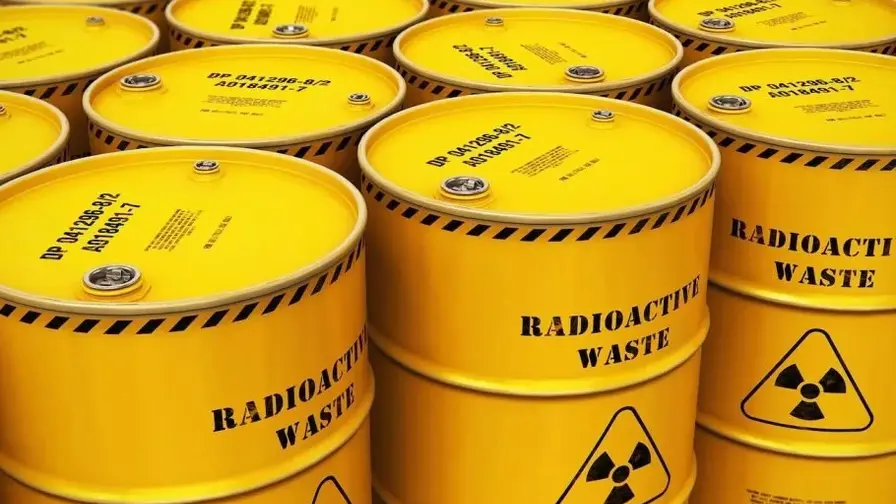
The nation’s legacy of commercial reactors and halted reprocessing policies since the 1970s left roughly 94,000 tonnes of high-level radioactive waste in secure storage. Current plans assume isolation for timescales measured in tens of thousands of years. But spent reactor fuel is not inert junk. It is a chemically complex cocktail containing large fractions of uranium and plutonium that remain usable, plus an assortment of isotopes prized by medicine, industry, and advanced technologies.
Strontium-90, rhodium-103, a range of palladium isotopes and americium-241 sit among the mix. Independent estimates put the recoverable isotopes in U.S. stockpiles at roughly €22 billion, while the remaining uranium and plutonium represent value on the order of trillions of euros. Those sums change the calculus: storage alone no longer looks like the only responsible option.
What slows current reprocessing
Traditional chemical reprocessing, typified by the PUREX method, treats dissolved spent fuel with liquid solvents in tall columns. Gravity and equilibrium do the heavy lifting, letting aqueous and organic phases separate elements by differing chemical affinities. The method works. It is tried and tested. It is also slow, solvent-intensive and vulnerable to radiolytic breakdown under sustained radioactivity. Full separations can take hours. Short-lived isotopes, valuable for medical use, are often lost in the delay. Highly concentrated plutonium streams can also present proliferation and handling concerns.

Those technical frictions help explain a political choice made decades ago to curb reprocessing. The cost of lengthy chemical separations, the requirement for large facilities and the difficulties of safely managing both wastes and concentrated fissile products drove many policymakers to prefer long-term storage.
How centrifugal radiochemistry changes the equation
Enter REDUCE, a U.S. Department of Energy–backed initiative that stands for Recover Elements, Destroy Unwanted Elements and Create Energy. REDUCE pairs two ambitions: speed up separations and reduce the long-term inventory of hazardous actinides by enabling more efficient recycling and targeted transmutation.
At the heart of REDUCE is a system called PaCERS, for packaged centrifuge equipment for radiochemical separations. Instead of depending on gravity, PaCERS spins dissolved fuel at accelerations exceeding one thousand g. The result is a dramatic shrink in the required solvent volumes and an enormous increase in the rate of phase separation. What takes hours with conventional columns can be completed in seconds inside a cascade of high-speed rotors.
Faster separations have multiple knock-on benefits. Plants can be smaller, reducing capital expense and footprint. Short-lived isotopes can be captured before they decay, improving the supply of materials used in cancer therapy and diagnostics. And the centrifuge architecture can be tuned to avoid producing excessively concentrated plutonium streams, easing some security worries.
PaCERS is being developed through a partnership that includes the industrial company Shine Technology, Argonne National Laboratory and Case Western Reserve University. The goal is not theoretical demonstration alone, but to move from lab benches toward pilot-scale operations that could plug into existing fuel storage and handling infrastructure.
From recovery to reduction
Recovering uranium and plutonium matters, but the REDUCE team has a broader aim: shrink the waste burden itself. Elements that are unsuitable for commercial reuse can be converted, through neutron bombardment in reactors designed for waste transmutation or future fast reactors, into shorter-lived species. In effect, the inventory of long-lived radiotoxic elements would be transformed into forms that decay over decades rather than millennia.
That two-step model—recover valuable isotopes quickly, then subject the stubborn actinides to targeted burning—offers a more dynamic lifecycle for nuclear materials. It could reduce requirements for geological isolation and change how societies think about the long-term stewardship of nuclear legacies.
As Ross Radel, chief technology officer at Shine Technology, put it: "Spent reactor fuel is an extraordinary resource. There are valuable materials inside that we already separate for medical uses. PaCERS applies that expertise to speed the chemistry, recover what matters and make the remaining waste easier to handle."
Practical and policy hurdles
Technical promise does not erase real-world constraints. High-speed radiochemical centrifuges must operate reliably in highly radioactive environments. Materials science, rotor balancing, containment and shielding all require careful engineering. Regulations governing transport, processing and nonproliferation will shape which isotopes can be separated and how facilities are licensed.

Public acceptance is another factor. For communities near storage sites, the idea of extracting valuable material may be welcome if it reduces long-term risk, but concerns about processing accidents, new transport routes and the location of pilot facilities will need transparent, evidence-based engagement.
Expert Insight
"This approach blends old chemistry with new engineering," said Dr. Priya Anand, a nuclear materials specialist who has advised several national labs. "Centrifugal separation is not a magic wand, but it reframes the economics and the timelines. If you can reclaim medical isotopes in hours instead of losing them, you make investments that pay back in public health as well as in waste reduction."
Her caveat was practical. "Scaling from bench experiments to continuous, shielded operations is where most projects stall. Success will demand a coordinated effort across regulators, utilities and technology providers."
Broader implications and next steps
Adoption of centrifugal radiochemical separation could affect several domains. Hospitals could gain steadier access to short-lived medical isotopes that today face supply bottlenecks. Industry and space applications might tap recovered palladium and rhodium. And national waste management strategies could be redesigned to emphasize active reduction rather than passive isolation.
Near-term milestones to watch include pilot demonstrations of PaCERS cascades, independent assessments of lifecycle impacts and international engagement on safeguards. If pilot plants validate the speed, yield and containment claims, policymakers will face pressure to revisit reprocessing restrictions and to invest in reactor designs that can complete the transmutation step.
Conclusion
Quietly, centrifuge-enabled radiochemistry is turning a long-standing liability into a potential strategic asset. The work is technical and the path will be cautious. But faster separations, smaller facilities and targeted waste reduction together offer a tangible route to recover economic and social value from spent fuel, while shrinking the timescales of stewardship from millennia toward decades.

“The cosmos has always fascinated me. I write about space missions, astronomy, and the technologies pushing humanity beyond Earth.”

Discussion
Leave a Comment
Comments (3)
Okay but is centrifuge chemistry really ready for continuous ops in radioactive plants? Sounds promising, yet material fatigue, leaks, transport risks, who certifies? if that fails we back to storage
Makes sense tbh, but big regulatory mess ahead.. who pays for it?
No way, this flips the script on waste. Recovering medical isotopes from spent fuel? wild. Hope they nail safety, tho.. curious about costs.