
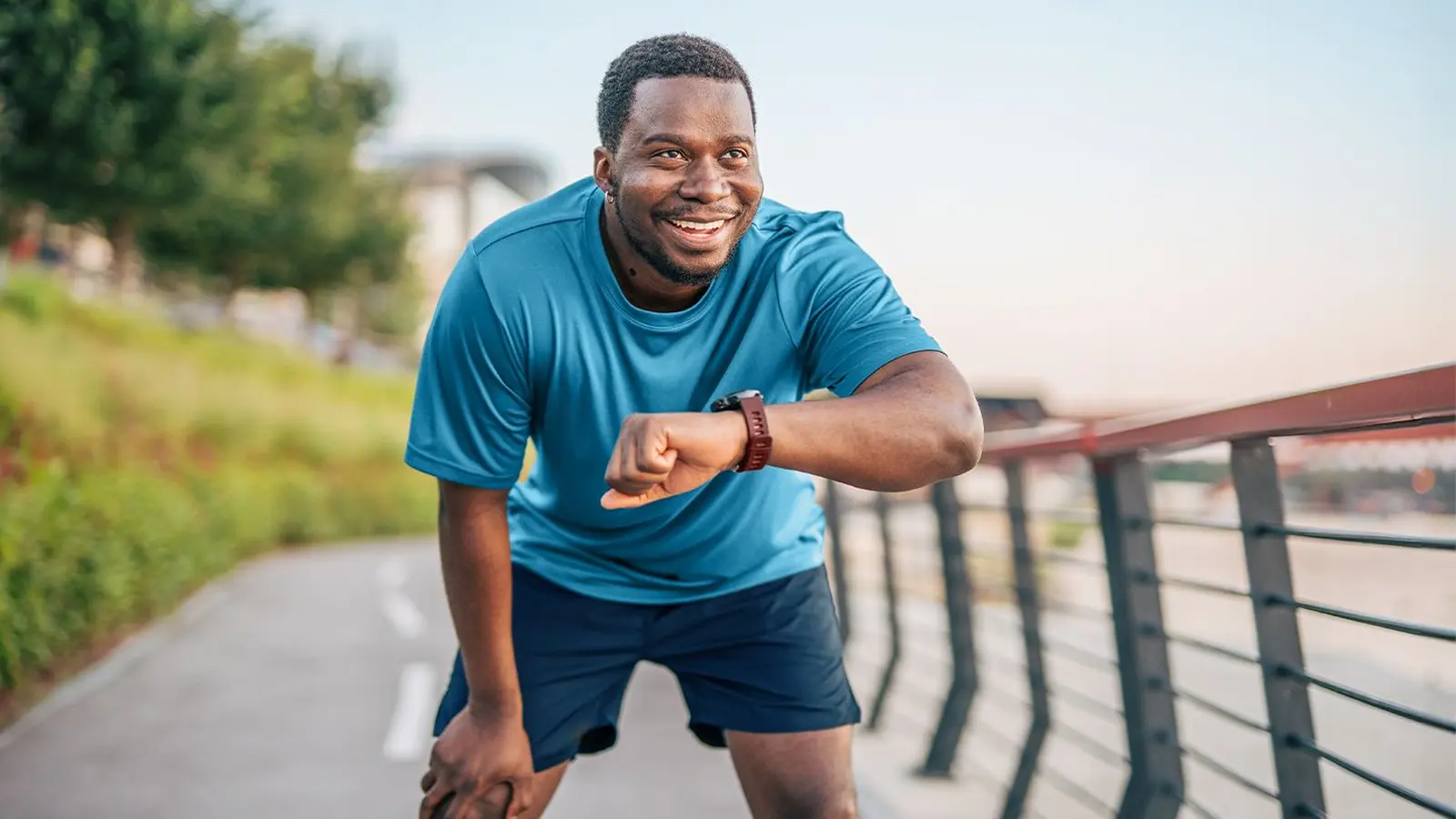
Imagine growing up carrying extra weight and, as an adult, being able to move that weight with little or no extra effort. It sounds like a training trick, but researchers at Penn State found precisely that effect in guinea fowl raised with modest leg loads during development.

Physical demands during growth may leave a lasting mark on how efficiently the body moves. In an experiment with guinea fowl, birds that regularly carried extra weight while developing later walked with that load at virtually no added energy cost.
Small birds, big question
Scientists have long assumed that the energy cost of walking and running is mostly fixed for a given body. Change the body, and the cost shifts predictably. But what if the developing body can adapt its mechanics in response to repeated demands? That question drove a controlled experiment with 12 guinea fowl, a two-legged bird whose locomotion offers useful parallels to other bipedal animals.
The team followed chicks from two weeks of age until about 16 weeks, when the birds were near adult size. Six birds wore a lead band on one leg weighing about 4 percent of body mass throughout development. Six control birds grew without additional load. From nine weeks on, all birds trained on a treadmill so researchers could compare steady walking across individuals under identical laboratory conditions.
How energy was measured
At 16 weeks the researchers measured oxygen consumption, carbon dioxide, and water vapor while birds stood, walked normally, and walked with the added weight. A flow-through metabolic chamber provided the data needed to convert gas exchange into energy use for each condition. Standing cost the same across groups. Walking told the real story.
Jonas Rubenson, professor of kinesiology at Penn State, crouches beside the treadmill and metabolic chamber used in a recent study. His team found that extra physical work by birds as they grew resulted in less effortful movement as an adult, which may provide evidence that activity in childhood affects adult capacity in animals in general, including humans. Credit: Jaydyn Isiminger / Penn State. Creative Commons
One group paid no energy penalty
Birds encountering the leg band for the first time paid an energy penalty. They needed roughly 23 percent more metabolic power to walk with the load than without it. The birds that had worn the band while growing showed no comparable penalty. In fact, on average they used slightly less energy when walking with the band than when walking unburdened.
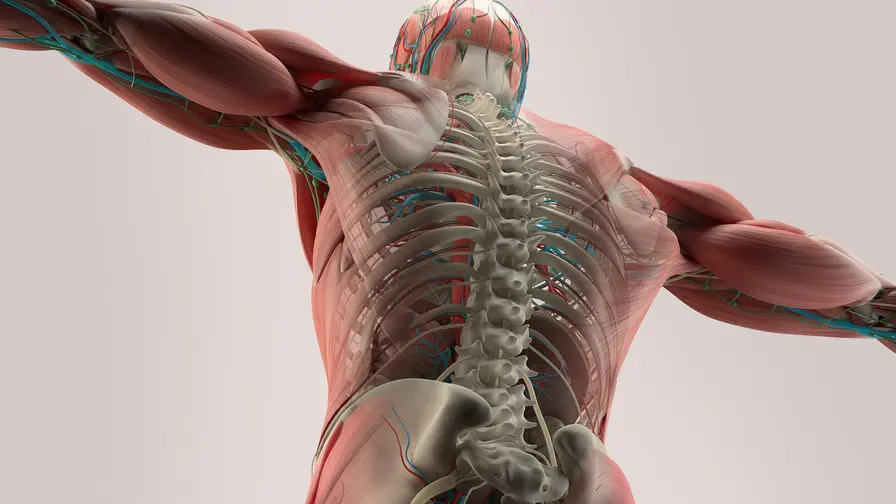
That pattern implies the developing birds made lasting changes that reduced the cost of carrying the extra weight. The experiment did not pinpoint the exact mechanisms. Anatomical shifts, altered muscle performance, posture changes, or refined coordination could each contribute. Teasing those apart will take follow-up studies using muscle physiology, motion capture, and skeletal analysis.
Why does this matter? Because movement consumes energy that could otherwise support growth, immune function, reproduction, or thermoregulation. Even modest improvements in locomotor economy may change an animal's behavior and survival odds. A youngster whose body learns to move more efficiently could allocate saved energy to other vital processes.
Implications beyond guinea fowl
Should we extrapolate to humans? Caution is required. Birds and people differ in anatomy and life history. Still, the study offers a concrete demonstration that early-life mechanical demands can shift adult energy budgets for movement. If the same principle applies in humans, early physical activity might lower the perceived cost of exercise later in life and help break cycles of inactivity.
Consider the psychology of effort. People often avoid activities that feel costly. If reduced early activity increases the energetic cost of moving as an adult, those adults may find exercise more aversive and thus exercise less, reinforcing deconditioning. Conversely, childhood play that repeatedly stresses the limbs could produce enduring gains in efficiency, making movement feel less taxing and exercise more accessible.
The Penn State team is cautious. The sample was small, the load was modest, and the study did not resolve mechanisms. But the findings invite new questions: Which tissues remodel during growth to produce lasting economy? How much and what kinds of activity are needed to trigger adaptation? Are there critical windows in development when the body is most responsive?
Expert Insight
"The study gives us a rare experimental handle on developmental plasticity in locomotion," says Dr. Maya Chen, a biomechanist and senior lecturer in human movement science. "It suggests that repeated mechanical challenge can be encoded by the musculoskeletal and neuromotor systems. For humans, that could mean targeted play or load-bearing activities in childhood may produce long-term changes in how costly walking and running feel. We need longitudinal human studies to test whether similar effects appear across growth and in diverse environments."
Dr. Chen's comment echoes a practical point: adaptation is not purely genetic or immutable. Behavior and environment during growth can sculpt long-term function. That idea fits with broader work on developmental plasticity, where early experience shapes adult traits in metabolism, immunity, and cognition.
Conclusion
The guinea fowl experiment does more than surprise. It opens a pathway for thinking about how exercise in youth could influence adult capacity at a fundamental energetic level. The core message is simple and actionable: repeated mechanical demands during growth appear able to reduce the lifetime cost of moving. Translating that insight to people will require careful experiments, but the prospect that simple childhood activities could ease the burden of movement later in life is worth attention from physiologists, pediatric health specialists, and public health planners.

Future work will need larger samples, cross-species comparisons, and mechanistic studies that examine muscles, tendons, and neural control. Until then, the guinea fowl remind us that bodies remember how they were used when they were young, and that memory can change the fuel bill for every step taken thereafter.

“My work centers on sustainability, energy, and environmental science — examining how innovation can lead to a greener future.”

Discussion
Leave a Comment
Comments (3)
I've worked with kids in rehab, small repeated loads can shift gait and effort, but we need muscle tests + motion capture to know which tissues adapt
Is this even true? 4% leg load felt tiny to me, sample 12 birds seems low. anyone know followups
wow, birds remembering weights? wild. if kids' play does this, big deal... tiny sample tho