
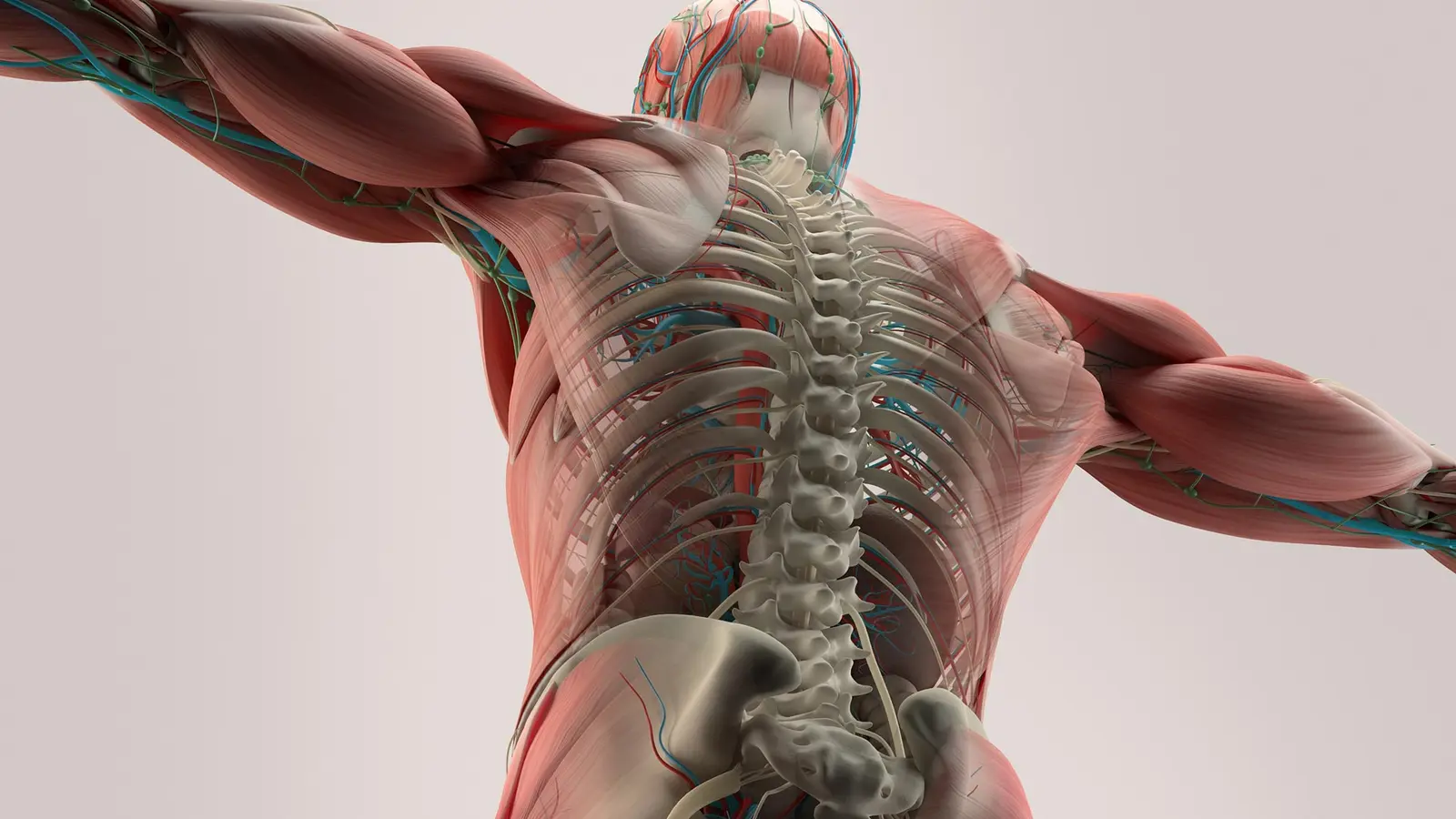
Catching a rapid turn on a handball court can send a clear signal to your skeleton. It is not the distance you cover that matters here. It is the intensity and the suddenness of the load that seems to wake bone-forming processes.
Certain forms of high-intensity exercise appear to trigger stronger early signals of bone formation than more conventional activities. Bone formation markers responded most strongly to intense activities involving explosive movement and rapid changes of direction.
Why movement quality beats simple volume
Researchers at Semmelweis University looked across 24 clinical trials involving 1,238 generally healthy adults and found a pattern that challenges routine advice. Instead of waiting months or years for measurable shifts in bone mineral density, the team tracked blood biomarkers that reveal whether the body has begun producing new bone tissue. These markers often move within weeks. That makes them useful early indicators of how bone metabolism reacts to different training styles.
What emerged was striking. Sports and activities characterized by short, powerful bursts—think recreational football or handball, with frequent turns and abrupt changes of direction—produced the strongest early increases in markers linked to bone formation. In some studies those increases reached about 45 to 46 percent. By contrast, steady walking, step aerobics, and many conventional resistance workouts yielded weaker responses.
Why would that be? Bone cells respond to mechanical strain, and the skeleton is especially sensitive to rapid, high-magnitude loads. When forces rise quickly, they create small, localized strains in bone that stimulate remodeling. Slow, continuous loading tends to produce less of that acute stimulus. In plain terms: sudden force is a clearer message to bone than a steady nudge.
Study details and how biomarkers were used
The team did not rely on bone density scans alone. Instead they examined substances in the blood that reflect formation and resorption of bone. Commonly used markers include indicators of collagen formation and osteoblast activity. These biomarkers allow researchers to detect an upturn in bone-building activity within weeks, long before changes in bone mineral density would become measurable.
Dr. Péter Ferdinandy, Vice Rector for Science and Innovations at Semmelweis University and senior author of the study, emphasized that the analysis considered more than just exercise type. "We examined intensity, frequency, and duration as well," he said. The goal was to distinguish what really moves bone metabolism versus what only looks healthy on paper.

Dr. Péter Ferdinandy, Vice-Rector for Science and Innovations at Semmelweis University and senior author of the study.

Practical takeaways and cautions
This is not an invitation to jump into high-intensity sport without preparation. Sudden, forceful movements carry risk, especially for people with cardiovascular disease, existing musculoskeletal issues, metabolic conditions, or diagnosed osteoporosis. The authors advise a gradual buildup and a medical check when appropriate. Talk to a treating physician, general practitioner, or sports medicine specialist before making major changes to your regimen.
Importantly, the findings do not negate the broad benefits of walking or moderate exercise. Those activities support cardiovascular health, weight management, mood, and mobility. The new message is more targeted: if your primary concern is preserving bone strength, training programs may need to include higher-intensity, impact-rich elements that provide sharp mechanical signals to bone.

Viktória Barna, PhD student at Semmelweis University and first author of the study.
Implications for public health and exercise design
Public health recommendations often list resistance training and regular aerobic activity as remedies against age-related bone loss. The Semmelweis analysis suggests a refinement: the presence of resistance work may not be enough on its own. The intensity and the pattern of loading appear to shape the bone response. For program designers, that means integrating short, explosive moves or sport-like drills could be more effective than longer sessions of low-intensity work when the goal is to stimulate bone formation.
For older adults or those at higher fracture risk, clinicians and trainers face a balancing act. They must weigh the greater osteogenic potential of intense, impact-rich exercises against the increased risk of falls or injury. Structured progressions, supervised sessions, and individualized screening are sensible ways to capture benefits while minimizing harm.
Expert Insight
"Bones are living tissue that respond to how we load them," says Dr. Eleanor McKay, a clinical exercise physiologist not involved with the study. "You can coax bone into remodeling with well-designed, short bursts of force. But the delivery matters. Technique, progression, and oversight turn a potentially risky stimulus into a protective one."
Conclusion
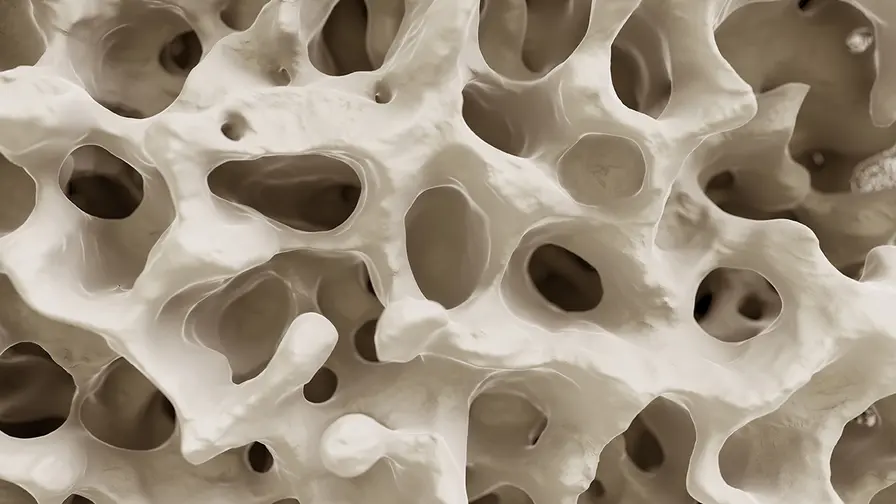
The message from this review is nuanced. Low-intensity, steady exercise remains valuable for many aspects of health, yet it may be insufficient when the aim is to stimulate bone formation quickly. High-intensity activities that combine explosive movement and rapid directional change appear to produce stronger early signals of bone building. Translating that insight into safe, equitable exercise programs is the next step for clinicians, trainers, and public health planners.

“My work centers on sustainability, energy, and environmental science — examining how innovation can lead to a greener future.”

Discussion
Leave a Comment
Comments (2)
Who knew handball turns could wake up bones? wow! makes me wanna try short sprints, but also kinda nervous lol. probably need a coach first, slow build up.
wait, so quick cuts beat long walks for bone growth? sounds plausible but is it safe for older folks? curious about long-term results, and injury rates, ppl with osteoporosis?