
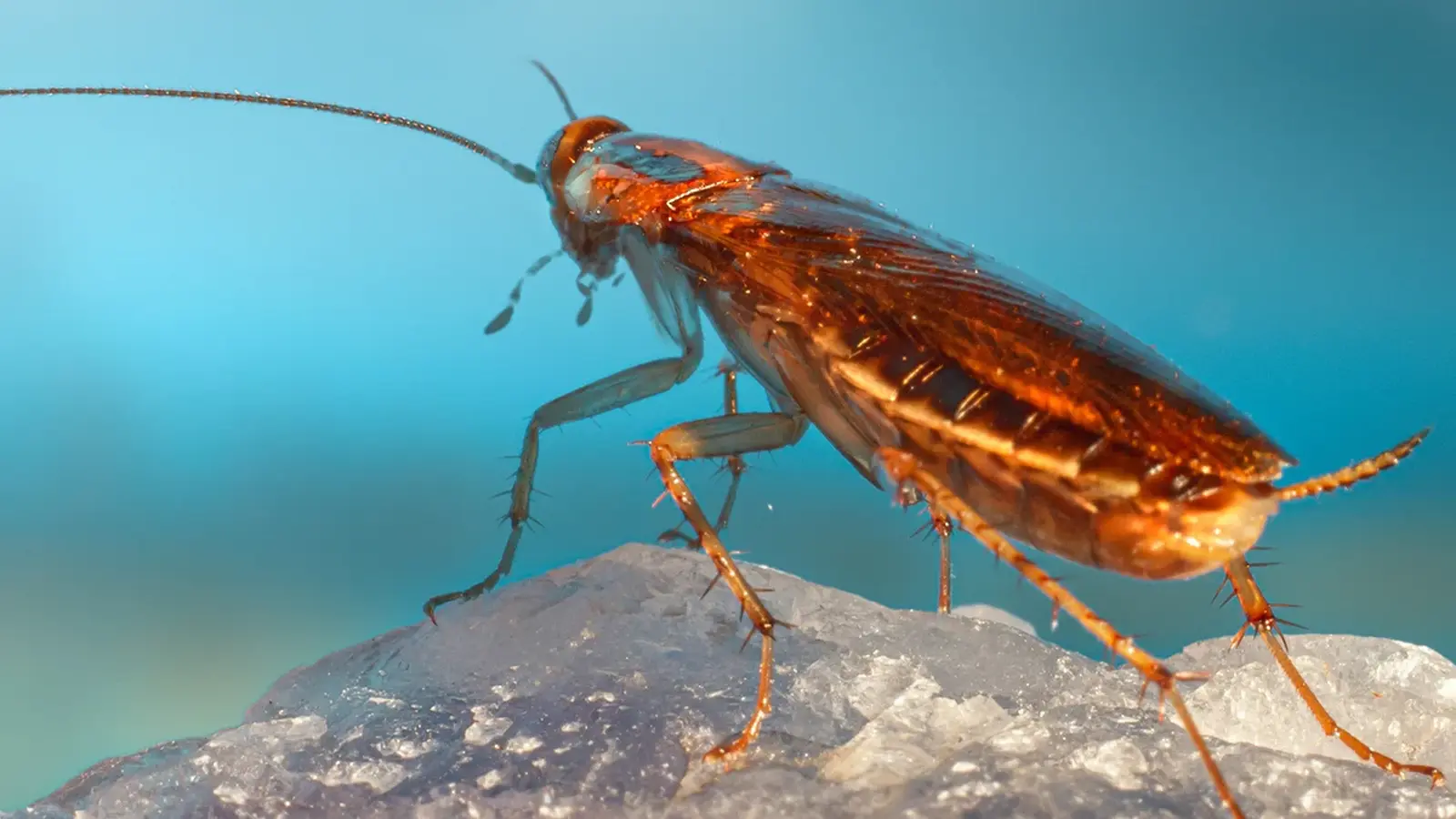
Open a cockroach genome and you might find a library that never belonged to the insect in the first place. That’s the striking result from a new genomic survey: tens of thousands of tiny DNA fragments inside cockroach genomes appear to come from a bacterial partner, not from cockroaches themselves.
A hidden bacterial library inside cockroaches
Researchers led by teams at the University of Sydney scanned the complete genomes of 18 cockroach and termite species and uncovered a pattern that changes how we think about animal genomes. Instead of a clean vertical transfer of genes from parent to offspring, they found evidence of extensive horizontal gene transfer, or HGT, from the obligate endosymbiont Blattabacterium cuenoti. In plain terms: bits of bacterial DNA have made their way into cockroach chromosomes and stuck around.
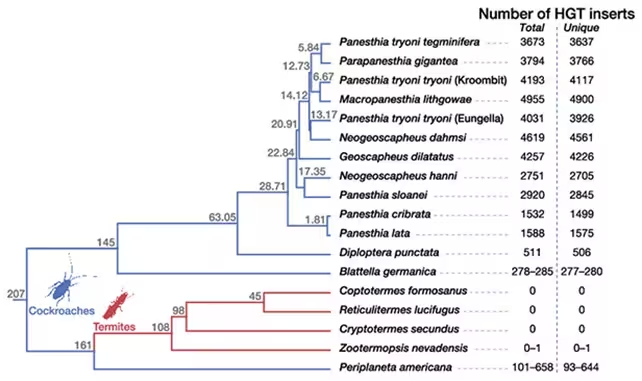
This study did something many earlier searches did not. Rather than hunting only for intact protein-coding genes, the team looked for small, non-coding fragments too. Those are the sequences many screens ignore because they do not make proteins. The result was surprising. Across species the researchers cataloged 40,485 fragments of B. cuenoti origin, with individual insects carrying anywhere from 93 to 4,900 inserts.
Why does that matter? Horizontal gene transfer is a familiar mechanism in bacteria and other microorganisms, where swapping genes is a fast route to new capabilities. In complex multicellular organisms, such as animals and plants, HGT has been documented but thought to be rare. Finding tens of thousands of prokaryote-derived fragments in a eukaryote group pushes against that assumption and suggests a much richer interaction between host and symbiont genomes than we expected.
What the team did and what they found
The analysis combined deep genome sequencing with careful comparative work across cockroaches and related termites. Termites and cockroaches are close cousins on the insect family tree; both lineages once hosted B. cuenoti. But most termites later lost the symbiont, while cockroaches retained it. That difference gave researchers a natural experiment for identifying bacterial sequences embedded in host DNA.
Some of the inserted fragments are ancient. By comparing sequences across species, the authors estimate that certain inserts have persisted for at least 28.7 million years. Persistence that long hints these fragments are more than genetic clutter; they could be neutral passengers, slightly harmful but tolerated, or they might have been co-opted for function.
How do bacterial snippets get into an animal genome? Close intracellular contact provides an opportunity. Blattabacterium lives inside specialized cells in cockroaches where exchange of metabolites and occasional DNA leakage can occur. When a host cell repairs its DNA, it can accidentally integrate foreign fragments. Over evolutionary time, some of those integrations remain visible in the genome.
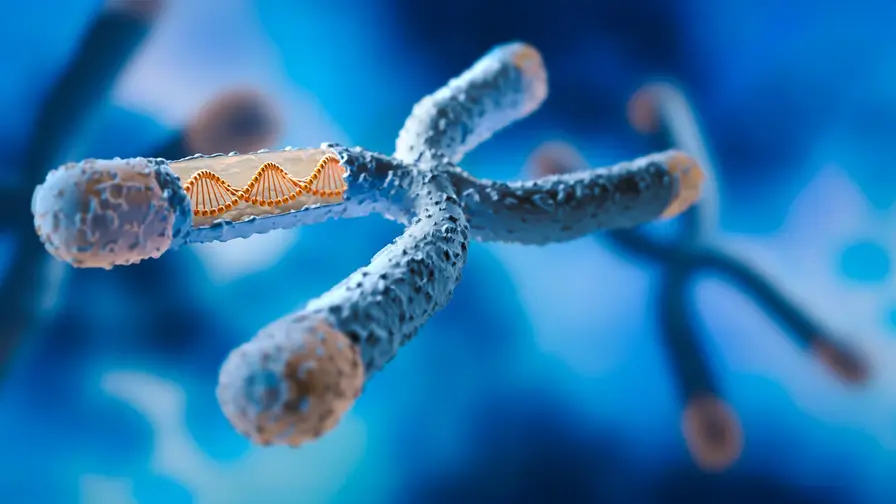
The team reports chimeric inserts too: short segments originating from different parts of the bacterial genome, stitched together inside the cockroach DNA. This mosaic pattern complicates efforts to trace origin but strengthens the case that transfer has been ongoing and varied.
Implications for evolution and genomic research
What does a host gain by carrying imported bacterial DNA? The honest answer is: we do not fully know yet. Gaining new sequences can expand regulatory space, tweak gene expression, or provide raw material that selection can work on. It can also be benign baggage. The persistence of many inserts over millions of years suggests at least some are effectively neutral or possibly useful.
Beyond cockroaches, the finding prompts a broader question: how often have animal genomes quietly absorbed DNA from their microbial partners? Many animals live in intimate, long-term symbioses with bacteria. If similar transfers have occurred elsewhere, we may need to rethink parts of genome evolution and adaptation.
The researchers call for deeper functional work: experiments that test whether any of the bacterial fragments influence gene regulation, metabolism, or development. They also recommend extending searches to other host–symbiont pairs, using methods that pick up the small, non-coding fragments now known to be important.
Expert Insight
"This work opens a window into a hidden layer of genome evolution," says Dr. Lena Ortiz, an evolutionary genomics researcher at the University of Cambridge. "We have long treated animal genomes as self-contained archives. These results show they can be hybrid documents—part host, part microbial legacy. The practical challenge now is separating signal from noise: which inserts matter biologically, and which are merely historical fingerprints?"
The paper appears in Proceedings of the National Academy of Sciences in 2026 and is credited as a major expansion of the known scale of HGT into eukaryotes. For students of evolution, it is a reminder that genomes are not static blueprints but palimpsests—texts overwritten and amended over deep time by many contributors.
Future steps will combine molecular experiments, functional genomics, and broader taxonomic sampling. Until then, one takeaway is clear: cockroach genomes are more than cockroach genomes, and bacterial partners may have been quietly shaping insect biology for tens of millions of years.

“My work centers on sustainability, energy, and environmental science — examining how innovation can lead to a greener future.”

Discussion
Leave a Comment
Comments (2)
Wait, how confident are they these inserts aren't just contamination or sequencing artifacts? 40k fragments is massive, need functional proof not just counts...
wow, cockroach genomes = microbial mixtapes? mind blown. 40k tiny bacterial bits, some 28m yrs old.. if true thats wild and kinda gross, lol