
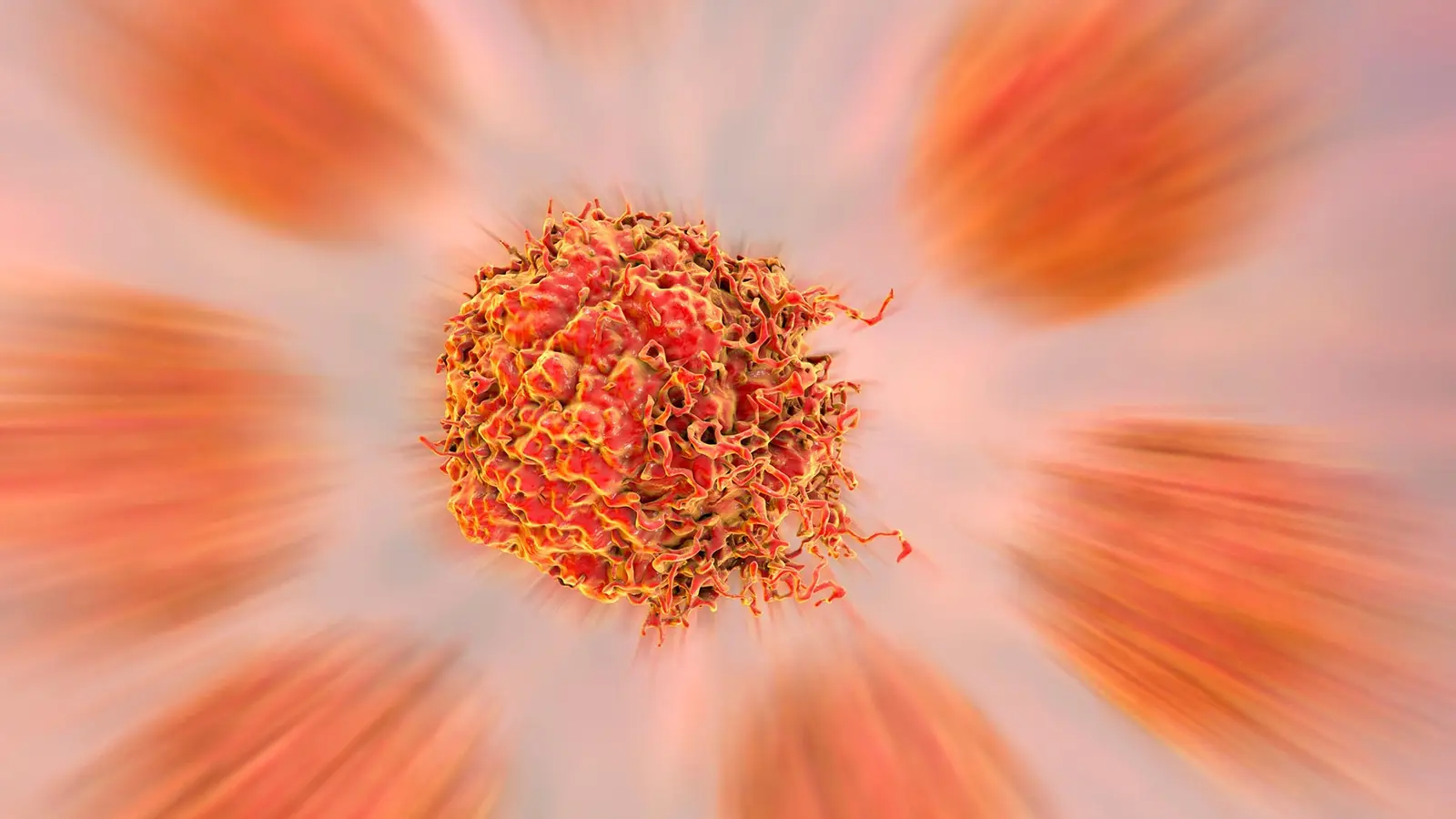
Imagine a molecular cloak that lets a tumor stroll past the immune system unnoticed. For many prostate cancers, that cloak is invisible RNA surgery: a subtle shortening of messenger RNA that changes how proteins are made and, crucially, how the cancer presents itself to T cells. New preclinical work shows researchers can pry off that disguise and make previously 'cold' tumors recruit an army.

LNP-delivered 3′UTRCES reverses driver APA to restore MHC-I expression, convert immune ‘cold’ tumors into ‘hot,’ and overcome ICT resistance.
How a tiny change in mRNA silences tumor visibility
Messenger RNA, or mRNA, is the instruction set cells use to build proteins. Its length matters: a shorter mRNA tail often makes the transcript more stable and prone to produce more protein. Tumors exploit this. By favoring shortened mRNA isoforms, cancer cells can tilt protein production in ways that support growth, survival, and—as this study reveals—immune escape.
The new strategy targets a specific chain of events centering on SPSB1, a protein that accelerates the destruction of MHC-I complexes. MHC-I sits on a cell's surface like a molecular billboard, showing bits of internal proteins so T cells can decide whether to attack. When SPSB1 increases, MHC-I disappears and the billboard goes dark. Even powerful immune-sparing therapies, like checkpoint inhibitors, struggle when the target is invisible.
To flip that switch back on, scientists built a CRISPR-based RNA tool that does not cut. Instead, the system—built on the Cas13 platform—binds to the part of the SPSB1 transcript that would otherwise be trimmed. By physically blocking the shortening machinery, the tool preserves a longer SPSB1 mRNA isoform. Less SPSB1 protein follows. MHC-I returns to the cell surface. The tumor is no longer invisible.
From mice to mechanism: what the experiments showed
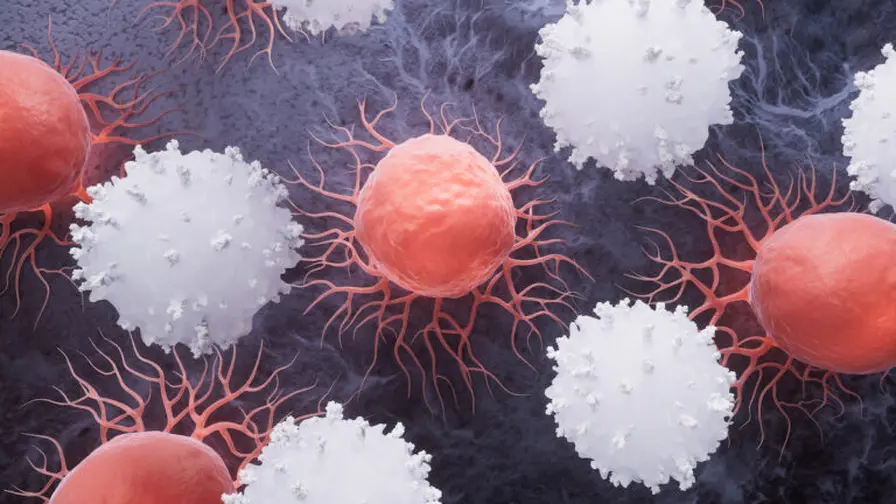
In mouse models of prostate cancer, delivering the RNA-directed CRISPR payload inside lipid nanoparticles brought measurable change. Tumors accumulated more CD8+ T cells, a marker of a renewed immune assault. When researchers combined the CRISPR-based intervention with immune checkpoint therapy, responses improved significantly compared with checkpoint therapy alone. The effect was not subtle: the previously immune-cold tumors converted to hot, meaning an inflamed, T cell–rich environment conducive to immune-mediated clearance.
This line of work traces back more than a decade. Teams first noticed unusual shortening of mRNAs in glioblastoma, and later found the pattern across multiple cancer types. The current study connects that phenomenon to a concrete immune-evasion mechanism and demonstrates a way to reverse it without cutting genetic code—an approach that reduces the chance of permanent off-target DNA changes.
Safety checks in the study found little evidence of unintended activity from the RNA-guided system in the tested preclinical settings. Still, the authors stress that the work is preclinical. Translational hurdles remain: delivery in humans, long-term effects, immune reactions to delivery vehicles, and the tumor’s ability to adapt over time all need careful study.
Why this matters for immunotherapy and beyond
Immunotherapies have radically shifted outcomes in melanoma, lung cancer, and other cancers, but many prostate tumors have stayed out of reach. They are often called immune-cold for good reason: few infiltrating T cells and a microenvironment that actively repels immune recognition. If we can re-establish antigen display on tumor cells by restoring MHC-I, we give checkpoint inhibitors something to amplify.
There is also a conceptual shift here. Most CRISPR work aims to cut DNA or snip RNA. This approach is more of an edit-by-block: it prevents a pathological processing step rather than destroying a sequence. That subtlety opens a new category of therapeutic strategies focused on RNA processing, 3' untranslated regions, and alternative polyadenylation—mechanisms increasingly recognized as drivers of cancer biology.
Expert Insight
"This study is a clever example of attacking cancer's disguise rather than the cancer directly," says Dr. Laura Chen, an immuno-oncologist who studies tumor antigen presentation. "By restoring MHC-I, you change the playing field. Checkpoint blockers then have real targets to unleash. The challenge will be translating delivery and durability to patients, but the concept itself is compelling."
Next steps and realistic expectations
Researchers point to several follow-up priorities. First, refining lipid nanoparticle formulations to target human prostate tumors safely. Second, mapping the full set of mRNAs that exploit shortening to evade immunity; SPSB1 may be one of several nodes. Third, testing combinations: CRISPR-based RNA correction alongside vaccines, cytokine modulators, or other immune stimulants to prevent escape.
There is scientific optimism but measured caution. Tumors evolve and will seek new workarounds. Yet the advantage of restoring antigen presentation is that it leverages the patient’s own, highly adaptable immune system—an evolutionary force carcinomas find hard to outpace when they are exposed.
Conclusion
Turning an immune-cold prostate tumor into an inflamed, T cell–rich target begins with visibility. By preventing harmful shortening of SPSB1 mRNA, a CRISPR Cas13–based tool restores MHC-I and re-enables immune recognition in mice. The findings point to a new therapeutic axis—RNA processing control—that could expand the reach of immunotherapy. The road to clinical use is long, but the route is now clearer: expose the tumor, then let the immune system finish the job.

“My work centers on sustainability, energy, and environmental science — examining how innovation can lead to a greener future.”

Discussion
Leave a Comment
Comments (2)
Sounds promising but is LNP delivery to prostate tumors realistic? immune reactions, off target effects, tumor adaptation, big hurdles. still curious if that works in people...
Whoa, a molecular cloak undone? That Cas13 trick is wild, makes tumors visible again. Hope delivery works in humans tho, lots could go sideways...