
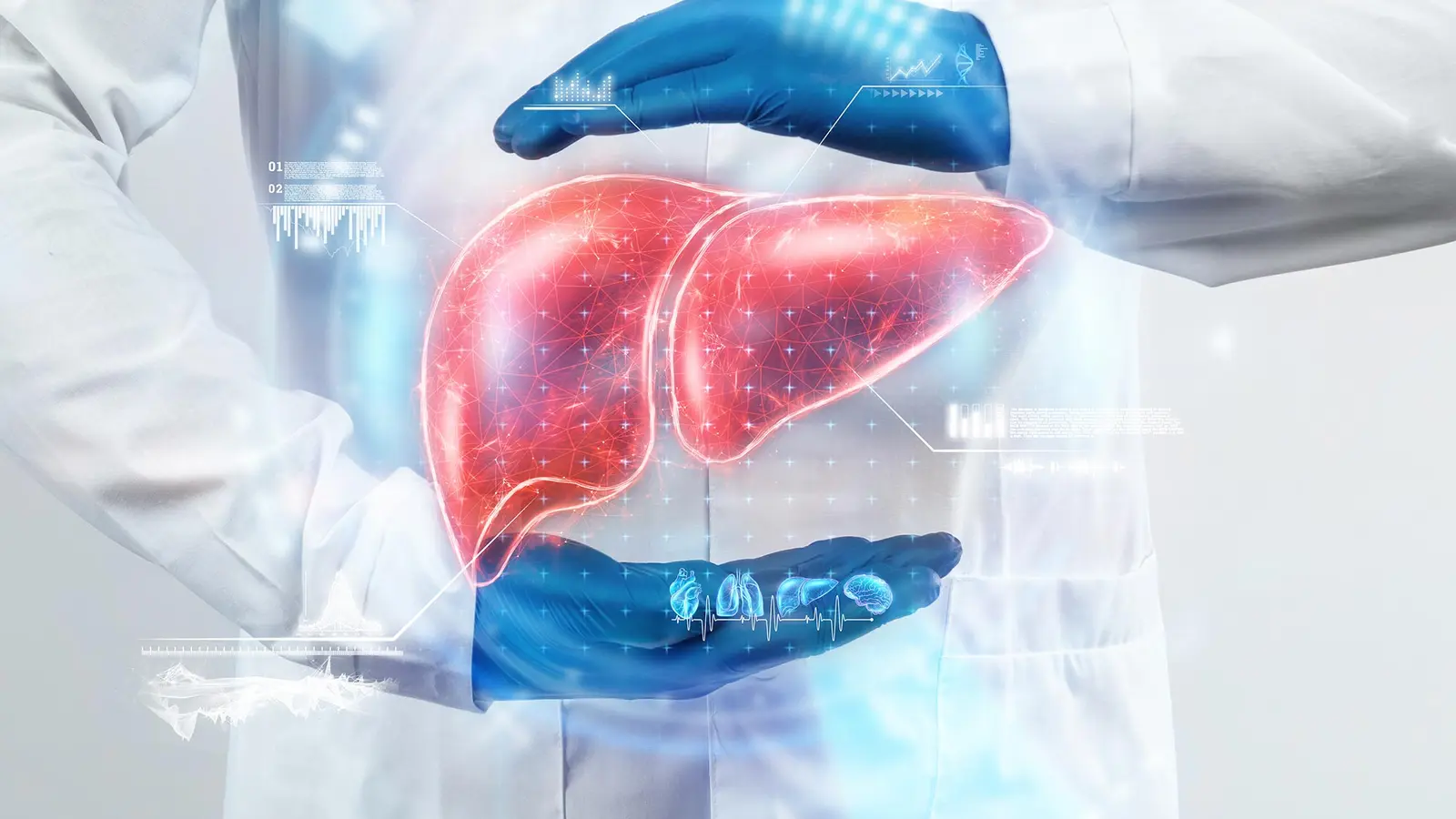
Imagine a hormone that calms a damaged liver even when body weight does not change. That is the surprising story emerging from researchers at McMaster University, who have found that GDF15 does more than curb appetite. It activates a previously unknown brain-to-liver circuit that dials down inflammation and slows the build-up of scar tissue in advanced fatty liver disease.
How the brain talks to the liver
Scientists studying models of metabolic dysfunction-associated steatohepatitis, commonly called MASH, combined genetic tools, drug interventions, genomic profiling, and spatial transcriptomics to trace GDF15’s effects. The hormone prompts neural signaling that leads the body to release glucocorticoids, steroid hormones that regulate metabolism, stress responses, and immune activity. In the liver, those hormones appear to reprogram immune cells toward a less inflammatory state.
Results were striking. In mice that mimic advanced human MASH, supplying GDF15 lowered liver inflammation and slowed fibrosis, even when food intake and body weight stayed the same. In other words, the benefit was not just an indirect consequence of losing weight. The hormone engages a direct anti-inflammatory pathway.
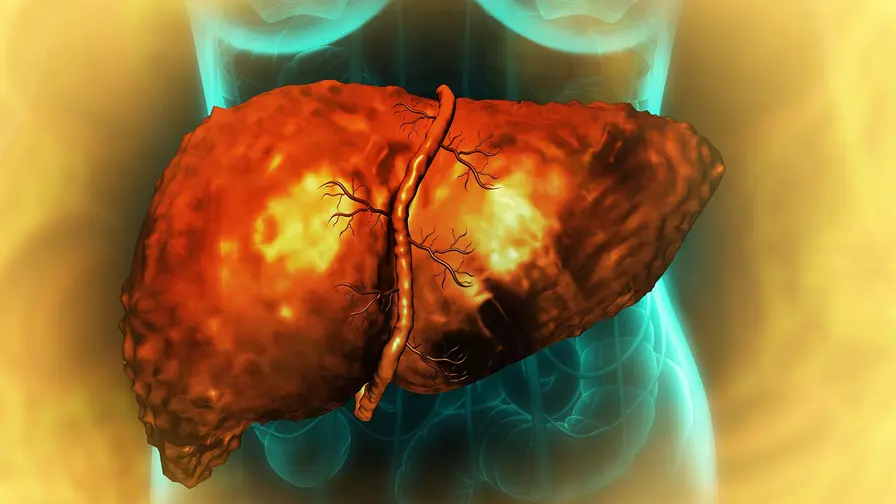
Why does that matter? Because while recent weight-loss drugs can shrink liver fat and improve metabolic health for many patients, lingering inflammation often persists and continues to drive disease progression to cirrhosis and liver cancer. A mechanism that controls inflammation independently of weight opens a complementary route to therapy.
What the discovery changes
Gregory Steinberg, senior author and professor at McMaster’s Department of Medicine, frames the finding as a rethink of GDF15’s role in the body. Instead of being solely an appetite regulator, the hormone looks like part of an innate defense system that protects the liver from chronic injury. Dongdong Wang, the study’s first author, describes how advanced spatial mapping showed immune cells shifting toward protective, less active states under the influence of GDF15.

Building on their 2023 discovery that the hormone GDF15 helps maintain calorie burning during weight loss, McMaster researchers Dongdong Wang, left, and Gregory Steinberg have now uncovered a previously unknown brain-to-liver pathway through which the hormone helps protect against liver inflammation.
Technically, the pathway works like this. GDF15 signals to the brain, which then uses nervous connections to trigger glucocorticoid release. Those steroid hormones modulate gene programs in liver-resident immune and parenchymal cells, reducing inflammatory signals and the fibrotic response that lays down scar tissue. The researchers used spatial transcriptomics to see this reprogramming happening in place, rather than just averaging signals across mixed cell populations.
The study builds on earlier work from 2023, in which the same lab showed a role for GDF15 in maintaining calorie burning during weight loss. Taken together, the two papers suggest GDF15 has dual protective functions: metabolic support during weight change, and direct anti-inflammatory action in the liver.
Expert Insight
"This could change how we design treatments for advanced fatty liver disease," says Dr. Lina Morales, a hepatologist not involved with the study. "Combining drugs that reduce liver fat with targeted therapies that blunt inflammation may be the next logical step. The brain-to-liver axis gives us a tractable biological target."
From a drug-development perspective, the finding opens two paths. One is to develop molecules that mimic or amplify GDF15’s signaling. The other is to leverage knowledge of the glucocorticoid-mediated arm of the pathway to create more selective anti-inflammatory interventions that avoid widespread steroid side effects. The authors note that their work is preclinical, and translating mouse findings into safe human therapies will require careful testing.
There are clinical and ethical considerations too. Long-term modulation of hormonal and neural circuits carries risks. Any new therapy will need to demonstrate that it can quell liver inflammation without undermining immune defenses elsewhere, or causing metabolic or psychiatric side effects linked to altered steroid signaling.
Conclusion

McMaster’s study reframes GDF15 as more than an appetite hormone. It reveals a natural brain-to-liver defense mechanism that can suppress inflammation and slow fibrosis, independently of weight loss. For patients with MASH, where inflammation is a key driver of progression to cirrhosis and cancer, this discovery points to complementary strategies: continue to reduce liver fat, but also aim directly at inflammatory control. The road from discovery to clinic will be long, but the biological insight gives researchers a clearer map for developing therapies that better protect the liver.

“The cosmos has always fascinated me. I write about space missions, astronomy, and the technologies pushing humanity beyond Earth.”

Discussion
Leave a Comment
Comments
No comments yet. Be the first.