
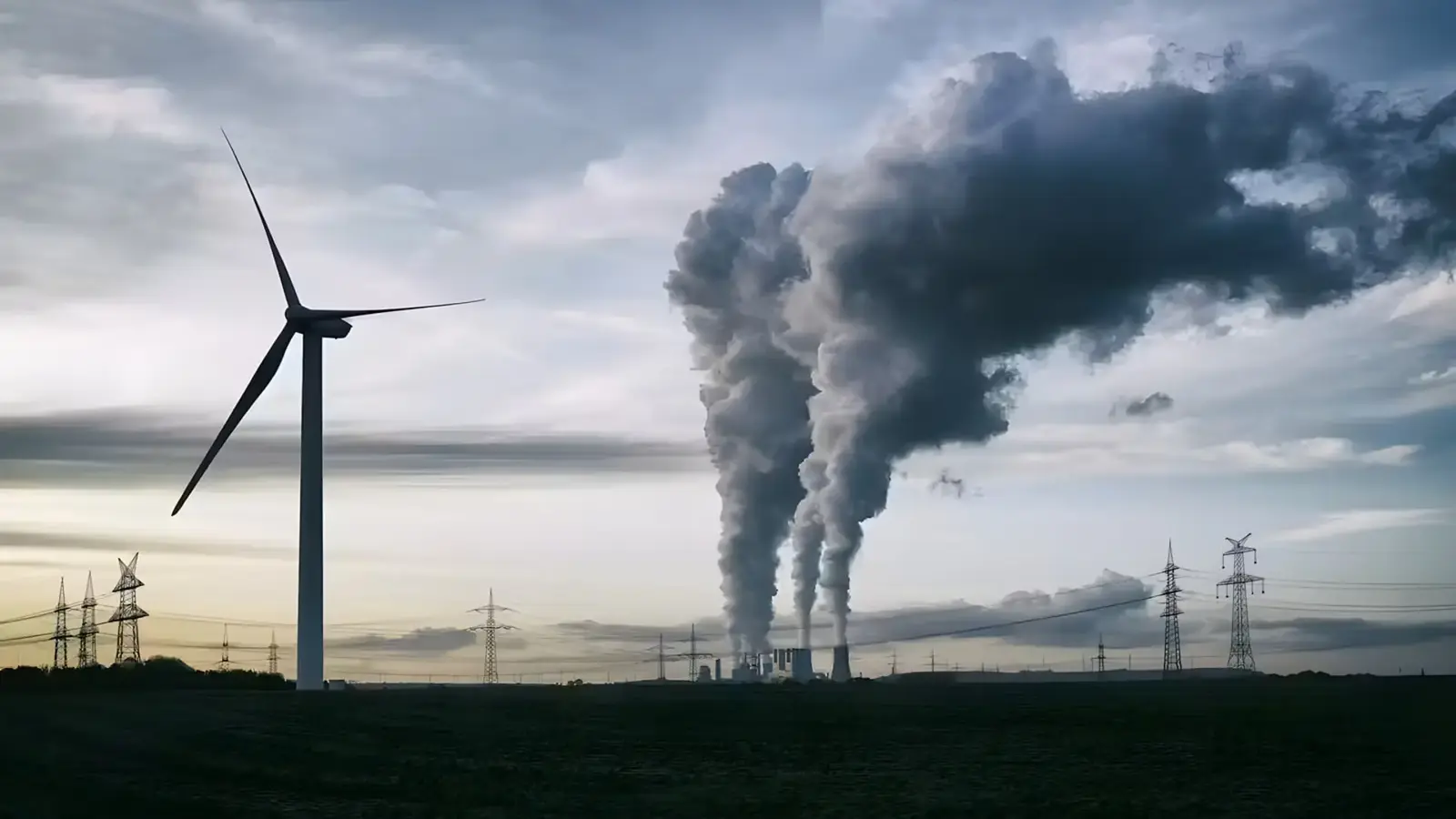
A river runs low and the signs are undeniable. In parts of Europe, waterways that once roared are now a quiet warning. The latest United Nations assessment suggests the planet is likely to exceed the 1.5 degrees Celsius threshold above pre-industrial temperatures by 2030. That number has become a shorthand for climate risk, but what does it actually mean for people, coasts, and ecosystems?
The scale behind the headline
Scientists picked 1.5 degrees for a reason. When the Paris Agreement was negotiated in 2015, negotiators relied on climate science showing that limiting warming to 1.5 degrees rather than 2 degrees would substantially reduce the chance of dangerous, irreversible impacts. Small island nations in the Pacific pushed hard for the tighter target because for them, a few extra centimeters of sea level rise is the difference between survival and displacement.
Today the world is hovering close to that line. Observational analyses put the 2026 global average temperature at roughly 1.4 degrees Celsius above pre-industrial levels. Temperatures are not an abstract statistic. They translate into longer droughts, fiercer heat waves, faster ice loss, and warmer oceans. Each tenth of a degree matters. Heat extremes intensify. Coral reefs bleach more often. Flood risks grow. Food and water security wobble.
Crossing the line does not equal complete failure
It is tempting to treat the expected overshoot as a verdict: we lost. That would be wrong and defeatist. Exceeding 1.5 degrees is a stark sign that current policies and emissions trajectories are insufficient, not that all climate action has been pointless. In recent years renewable energy deployment, electric vehicles, and energy efficiency have advanced quickly enough to steer the planet away from far worse scenarios, such as three degrees or more of warming. Those wins matter.

But wins so far have not been enough to create a durable, global downtrend in emissions. Worldwide greenhouse gas emissions have remained roughly flat in recent years rather than falling steeply. To align with the Paris goals and reach net zero by 2050, global emissions need to decline rapidly and broadly across sectors and regions. That means faster coal phaseouts, big shifts in industry and transport, and deeper changes in land use and agriculture.
Can we pull temperatures back down?
Yes, but it will be hard and it will take sustained policy and technology effort. Scientists talk about an overshoot scenario: temperatures rise above 1.5 degrees for some years, then fall back if emissions are cut sharply and some amount of carbon dioxide is removed from the atmosphere. Carbon removal can be natural, like reforestation and ecosystem restoration, or technological, like direct air capture paired with permanent storage.
Natural approaches are proven and relatively inexpensive, but they require land, time, and careful management to avoid unintended harms to biodiversity and food systems. Engineered removals are promising but currently costly and energy intensive, and scaling them safely at the gigaton-per-year level remains an open challenge.
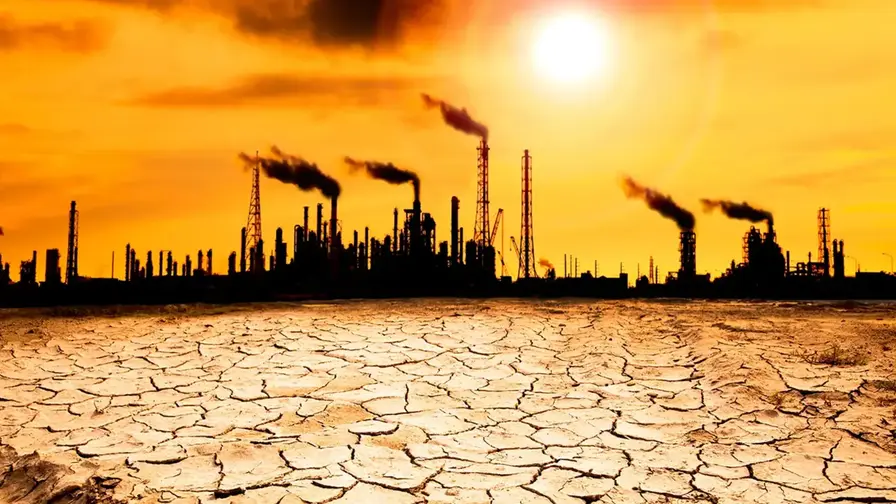
Ocean-based approaches are also under investigation, from enhancing biological uptake to alkalinity changes, but their large-scale risks and side effects are poorly understood. The bottom line is this: bringing temperatures back below 1.5 degrees will require a mix of rapid emissions cuts and credible, scalable carbon removal backed by strict environmental safeguards.
What communities will face if the overshoot happens
Impacts will be uneven. Some places will experience more heat-related deaths, crop failures, and water stress. Low-lying islands face permanent loss of habitable land. Coastal cities will see more frequent flooding and accelerated infrastructure damage as seas continue to rise. Ecosystems will cross tipping points more readily; for example, polar and mountain regions will lose ice that sustains downstream rivers and livelihoods.
Adaptation remains essential. Finance for vulnerable countries, resilient infrastructure, and early warning systems can reduce harm. The cost of adaptation rises if warming continues. The moral and practical challenge is clear: richer nations that historically emitted more must accelerate support to countries already on the climate frontlines.
Technology, policy, and the pathways forward
There are reasons for cautious optimism. Solar and wind costs have fallen dramatically. Grid-scale batteries and flexible demand management are improving the economics of clean electricity. Many countries and corporations now pledge net-zero targets, and some have already aligned near-term policy with those targets. Electric vehicle adoption is surging in multiple regions, and efficiency standards are tightening in buildings and industry.
Still, pledges are not substitutes for policy. To bend the curve decisively, governments must adopt clear carbon budgets, accelerate the retirement of coal, create market incentives for low-carbon steel and cement, and expand public investment in clean research and deployment. International cooperation is vital for technology transfer and finance so that developing nations can jump straight to low-carbon pathways without repeating the fossil-fuel intensive steps that richer nations took.
Expert Insight
"The coming decade will determine which climate futures become reality," says Dr. Maya Alvarez, a climatologist who has advised regional resilience programs. "If we treat 1.5 degrees as a stopping point, then every policy and investment choice must be evaluated against whether it reduces emissions now, not later. That means shifting political will and capital at a speed most societies are not used to, but the physics of the climate system does not allow us more time."
Conclusion
Predicting a likely breach of 1.5 degrees by 2030 is a call to action, not a resignation. The world has tools that can limit long-term warming and protect vulnerable communities, but they must be deployed faster and more equitably. Crossing the threshold will make climate impacts worse, but it does not erase the value of cutting emissions or the potential to bring temperatures back down through deliberate policy and technological effort. Every tenth of a degree avoided reduces harm. That simple fact should guide both urgency and strategy in the years ahead.


“My work centers on sustainability, energy, and environmental science — examining how innovation can lead to a greener future.”

Discussion
Leave a Comment
Comments (3)
Feels a bit like deja vu, tbh. Pledges everywhere but few policies. Adaptation funds? where's the cash, who pays, we gotta
Is the overshoot and then remove plan realistic? Tech removals sound pricey, and who pays? if that's real then...
Wow, rivers drying up hit hard... 1.5C by 2030? Terrifying. We have tech but politics drags, ppl suffer, not fair!