
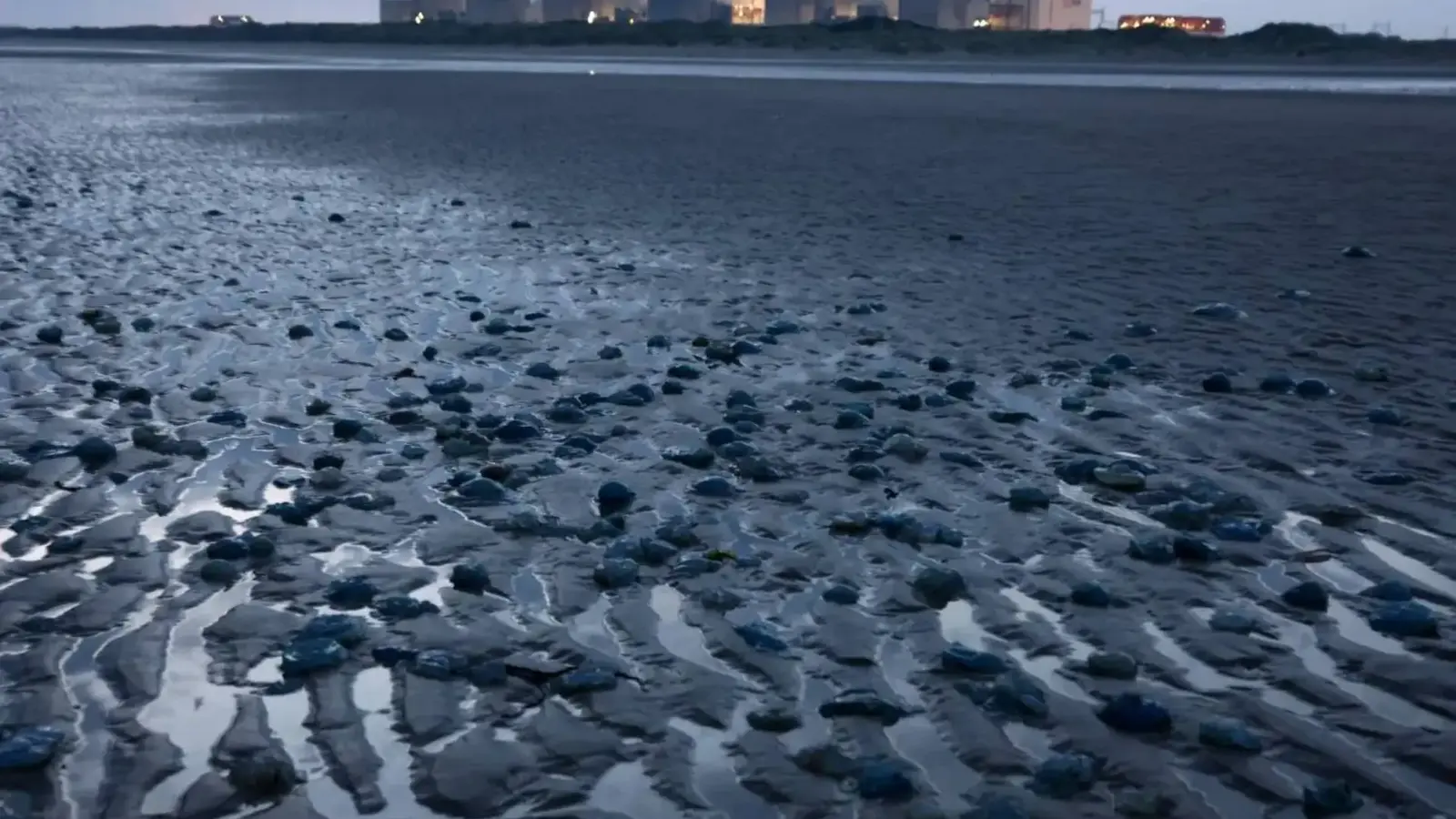
On the same calendar day, two years running, a French nuclear power plant was forced into an emergency stop by a sea creature. Not a human error. Not a cyberattack. A tide of jellyfish clogged the intake pumps that keep the reactor cooled and safe.
When jellyfish meet industrial plumbing
The incident unfolded at the Gravelines nuclear power station. Operators discovered dense mats of jellyfish packed against the plant's sea-water inlets, restricting flow through the pumps that are essential for reactor cooling. With intake lines choked, technicians initiated a precautionary shutdown to avoid overheating. The cost to try to prevent this repeat event had already run into the hundreds of thousands of euros in 2025, yet the problem returned about a year later on the same date.
It sounds almost absurd. Yet this is not trivia. It is a practical vulnerability in critical infrastructure. Cooling systems on coastal power plants rely on reliable seawater intake. When that reliability fails, the consequences are immediate: reduced output, emergency stops and costly remediation.

Why are jellyfish populations surging?
Warmer seas are the main suspect. Rising sea temperatures favor plankton blooms, and plankton are the primary food source for many jellyfish species. When plankton flourish, jellyfish can reproduce faster and more often. Warmer water also shortens jellyfish life cycles and extends breeding seasons. Add in changes to ocean currents and local nutrient inputs from rivers and coastal development, and you get conditions ripe for explosive population events commonly called blooms.
Marine heatwaves accelerate these dynamics. A brief period of unusually warm water can cascade into weeks of elevated plankton and consequent jellyfish abundance. The result: sudden, large aggregations that move with currents and sometimes pile up against man-made structures.
Mitigation, costs and quick fixes
After the first shutdown, French grid operators invested in measures to limit a rerun. Patrol boats now skim the water near Gravelines at all hours to discourage dense swarms from reaching the intakes. Plant teams have installed screening and are experimenting with modified intake geometries. Some fixes are simple and immediate. Others require significant design changes to intake tunnels, pumping technology or coastal defenses—measures that can be expensive and technically challenging.

There is also a trade-off to manage. Finer intake screens protect equipment but increase the risk of clogging and require more frequent cleaning. Larger bypasses reduce clogging but may let hotter water enter systems, reducing thermal efficiency. Engineering choices must account for ecological shifts that are themselves becoming less predictable.
Small animals, big consequences
Jellyfish are not an isolated curiosity. Across the world, interactions between wildlife and infrastructure cause surprising outages. In Connecticut, a raccoon entering an electrical substation triggered a cascade of outages affecting thousands. At the LIGO observatory, corvids pecking frozen cooling pipes produced vibrations that interfered with ultra-sensitive gravitational-wave detectors. And in 2009, an internal report at CERN pointed to bird feathers and a piece of baguette as possible contributors to a puzzling chill-system failure.
These anecdotes share a lesson. Complex systems are vulnerable to simple, local events—especially when those systems were designed for a different environmental baseline than the one they now face.
Expert Insight
"We are witnessing the physical consequences of a warming ocean at the intersection of ecology and engineered systems," says Dr. Claire Martin, a marine ecologist at Ifremer. "Plants and utilities must plan for biological extremes the same way they plan for heatwaves or storms. That means better monitoring, adaptive intake designs and regional management of jellyfish drivers, such as nutrient runoff and coastal warming."
She adds that real-time ecological monitoring can act as an early warning for operators. "Satellites, plankton sensors and patrols together give time to deploy mitigations before a bloom reaches a plant."
Conclusion
The Gravelines shutdowns are a vivid reminder that climate-driven ecological change is not just an environmental story. It is an infrastructure story. As seas warm and ecosystems shift, designers and operators of coastal facilities will need to think like ecologists. Prevention will require both engineering tweaks at individual plants and broader coastal management to reduce the scale and frequency of the biological events that now threaten critical systems.


“The cosmos has always fascinated me. I write about space missions, astronomy, and the technologies pushing humanity beyond Earth.”

Discussion
Leave a Comment
Comments (2)
So this happened twice same date? sounds wild but also lazy design or climate, which is it?
wow, jellyfish taking down reactors? insane. climate stuff hits weird places, we need real monitoring, like now.