
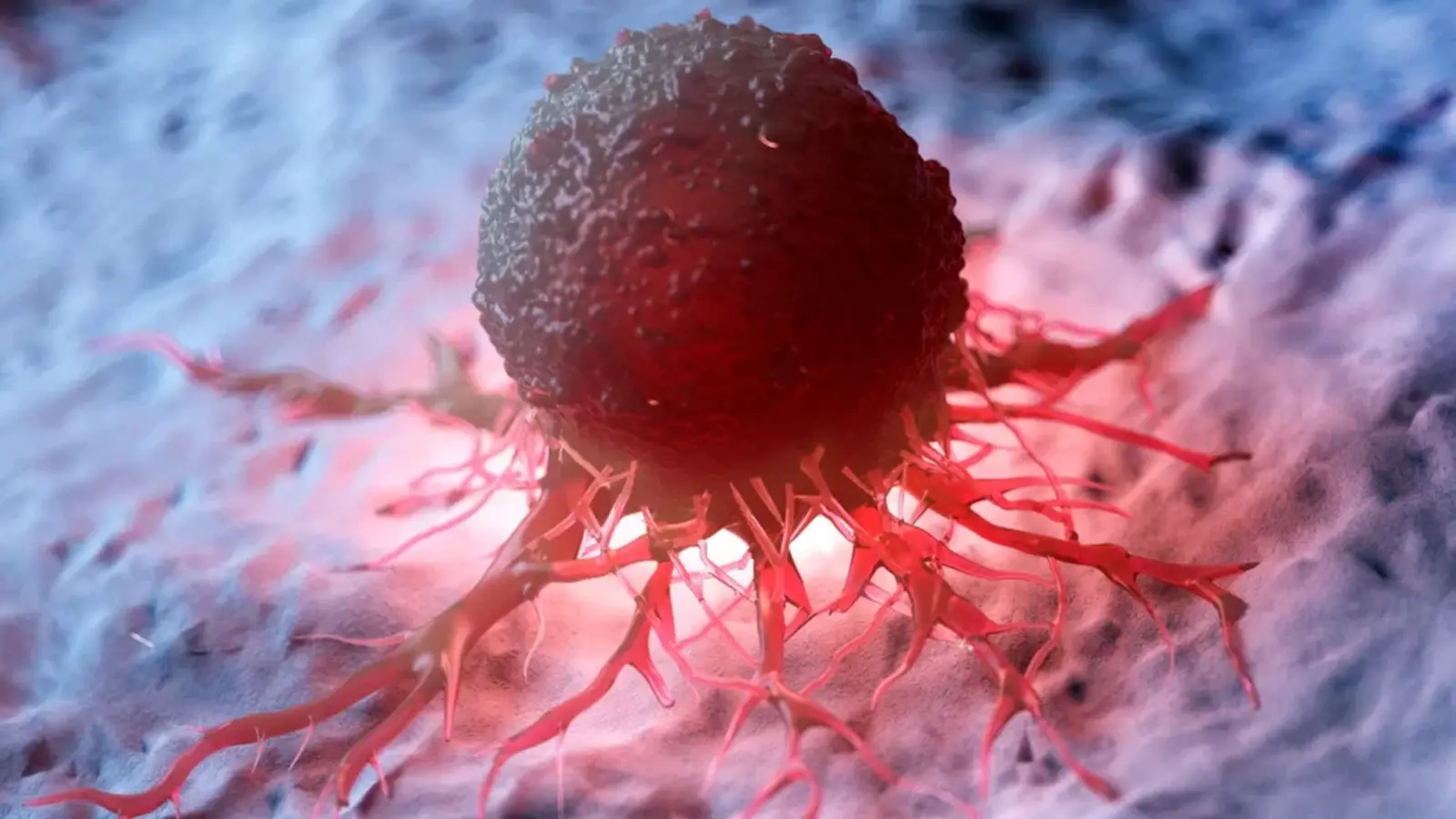
Imagine a tiny courier slipping past a fortress wall and handing a new set of orders to the guards inside. That is the image researchers at the University of Adelaide are invoking after developing lipid nanoparticles that deliver therapeutic instructions to immune cells trapped within tumors.
Tumor-associated macrophages, known as TAMs, often sit at the tumor margins or within the mass itself. Instead of attacking cancer, many of these macrophages are co-opted by tumors and secrete signals that suppress effective immune responses. The Adelaide team set out to reverse that takeover by targeting a surface protein called TREM2, which is enriched on these immunosuppressive macrophages.
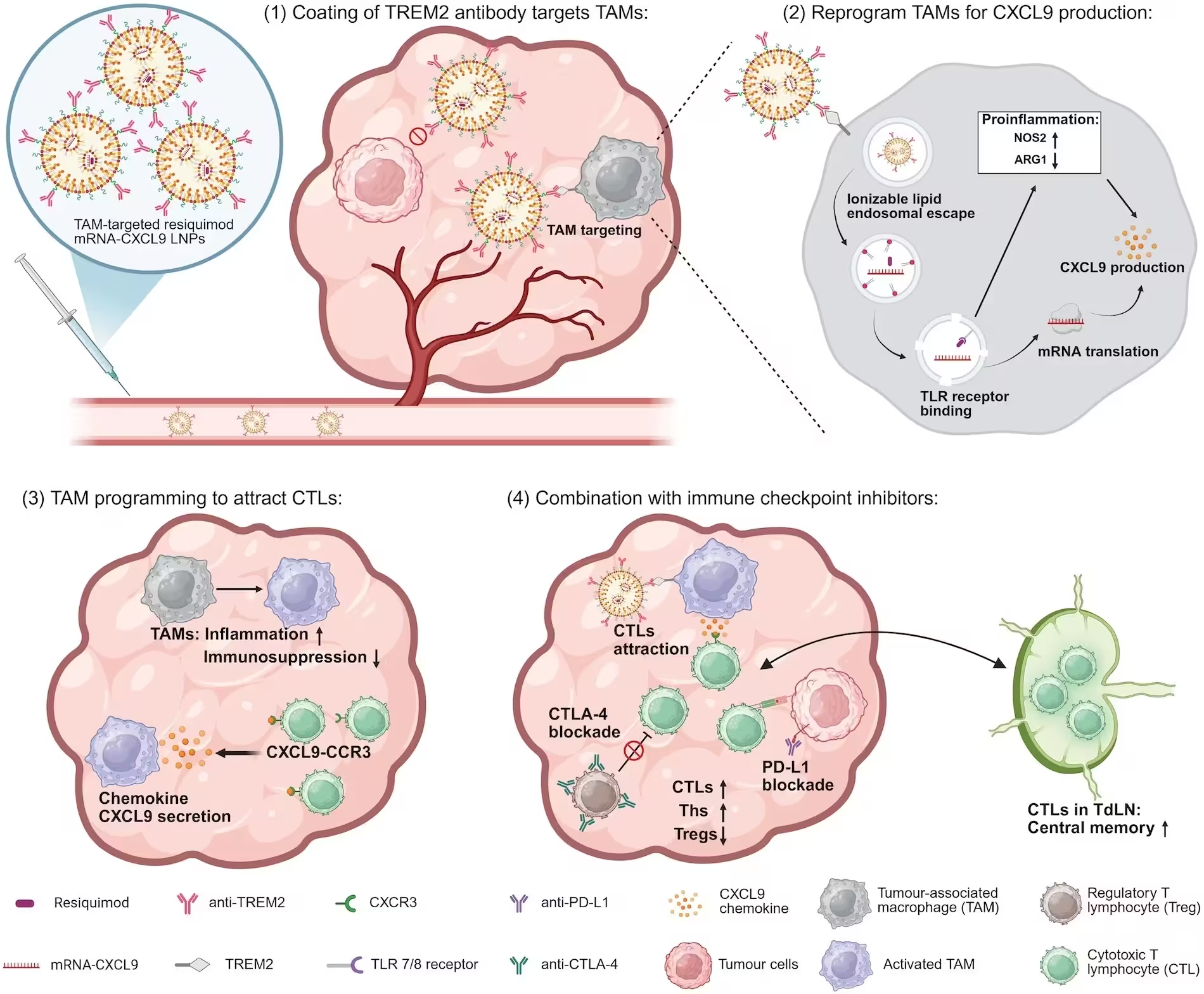
The delivery system is straightforward in concept and clever in execution. Lipid nanoparticles were coated with antibodies that recognize TREM2, guiding the particles selectively to TAMs. Inside each nanoparticle are two active components. The first is an mRNA blueprint that instructs the macrophage to produce CXCL9, a chemokine known to attract CD8+ T cells, the immune system's cytotoxic fighters. The second is resiquimod, a small-molecule immune stimulant that activates innate immune pathways and nudges macrophages away from a suppressive state and toward a pro-inflammatory, tumor-hostile phenotype.
Turning suppressors into soldiers
The early laboratory results were striking. Targeted macrophages began producing CXCL9 after nanoparticle uptake. Markers of immune activation rose sharply. In one measurement, expression of NOS2 increased roughly 89.5-fold, indicating a powerful shift toward an inflammatory, tumor-combating profile. In animal tests using mice with aggressive breast cancer, three doses of the nanoparticles slowed tumor growth and raised tumor CXCL9 levels about fourfold compared with controls.
Immune reprogramming translated into cellular changes in the tumor microenvironment: a significant uptick in T cell activity and a 63 percent drop in the proportion of macrophages carrying immunosuppressive traits. The team also tested the nanoparticles in combination with two inhibitory drugs commonly used to release brakes on T cells. The combination amplified infiltration of cancer-fighting T cells into both tumors and nearby lymph nodes and promoted the formation of central memory T cells, which can provide longer-term surveillance against recurrence.
Safety signals in these preclinical experiments were reassuring: researchers did not observe major adverse effects in other organs. But they emphasize caution. More extensive toxicology and dosing studies are required before any human trials could begin.
Published in Science Advances, the work illustrates how precision mRNA delivery can reshape the immune landscape inside tumors rather than trying to flood the body with systemic drugs. The approach answers a central challenge in immunotherapy: how to redirect cells already living within the tumor microenvironment to support, rather than suppress, anti-cancer immunity.
"We designed the particles to talk to the macrophages where they sit, changing the conversation inside the tumor," the authors write, highlighting that targeted reprogramming could unlock benefits beyond what checkpoint inhibitors achieve alone.
What comes next? Larger animal studies, dose optimization, and careful safety profiling. If those steps succeed, targeted macrophage reprogramming could join the growing toolkit of mRNA-based therapies and nanoparticle-delivered immunomodulators. For now, the study offers a promising demonstration that the stubborn defenders inside tumors can be persuaded to switch sides.

“The cosmos has always fascinated me. I write about space missions, astronomy, and the technologies pushing humanity beyond Earth.”

Discussion
Leave a Comment
Comments (1)
Wow, that tiny courier image actually gave me chills. TREM2-targeted mRNA + resiquimod turning TAMs into fighters? If it scales, whoa. Cautiously hyped, lots to do.