
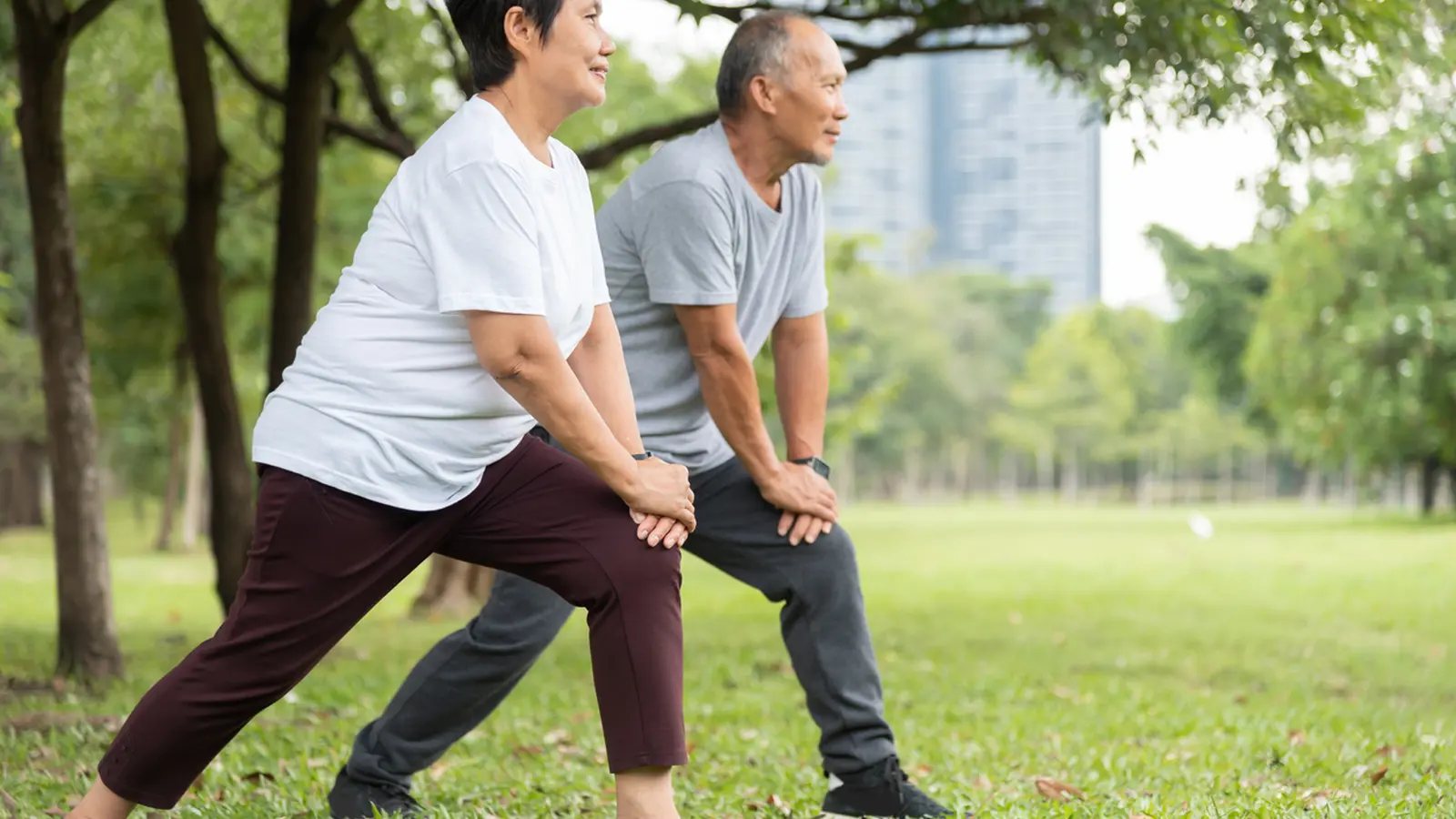
You step down from the curb and feel a familiar stiffness in your knee. It’s not dramatic. Just enough to remind you that time leaves a mark on cartilage and the lubricating fluids inside our joints. For many, that memory becomes a reason to slow down. But research and clinicians now say the opposite: the right kinds of movement can help keep joints working longer and with less pain.
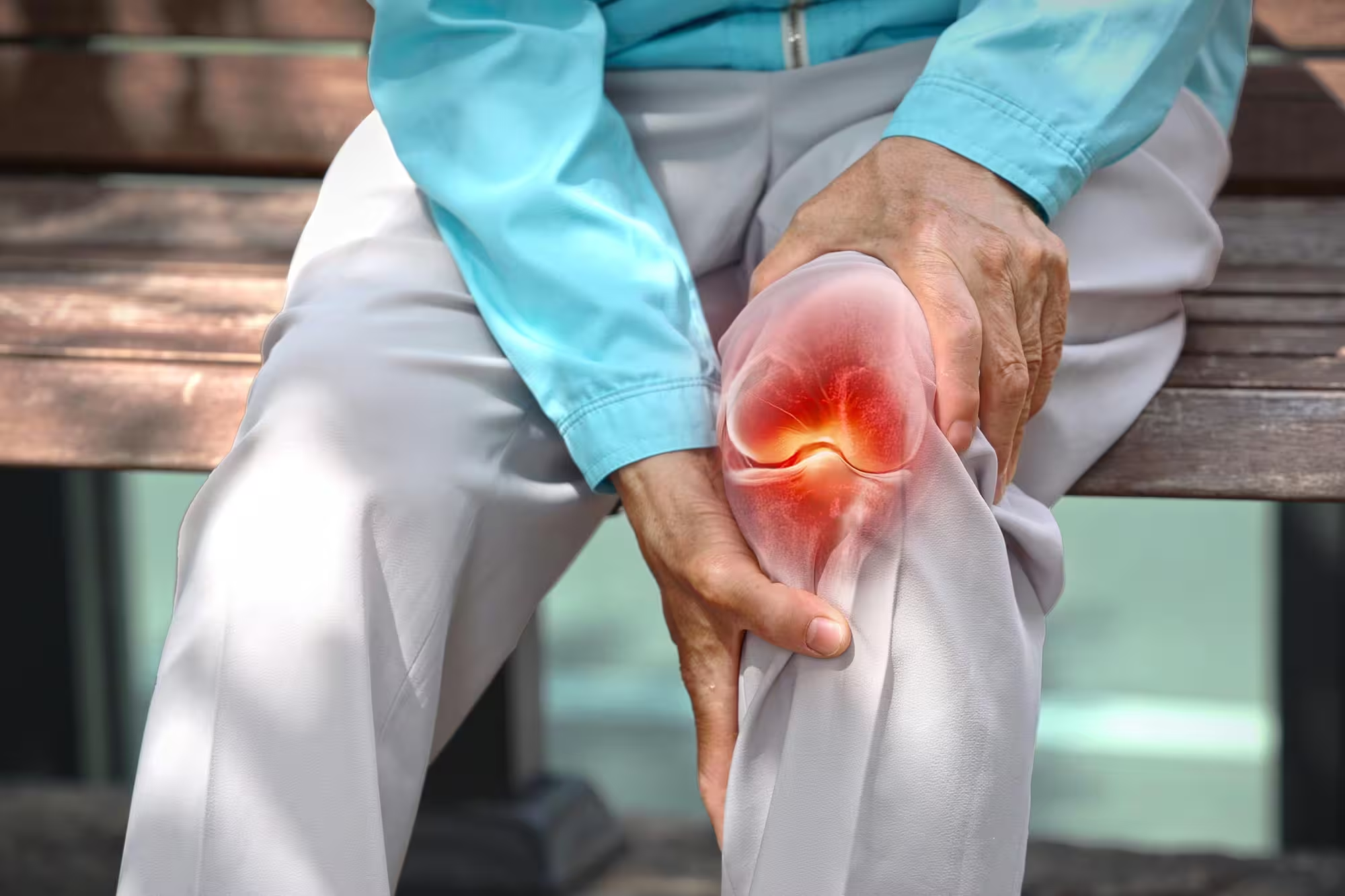
As cartilage and joint-supporting fluids naturally decline with age, many people worry that exercise could accelerate wear and tear. Research suggests the opposite may be true, with certain forms of movement helping to support joint health, reduce discomfort, and maintain mobility over time.
What happens inside a joint as we age
Bones meet at joints, but they do not simply rub together. The ends of bones are capped with articular cartilage, a resilient tissue that creates a low-friction surface for movement. A viscous liquid called synovial fluid bathes that cartilage, supplying nutrients and acting as a lubricant. Both elements slow down with age. Cartilage thins. Synovial fluid volume and the quality of its molecular lubricants change. The result is increased mechanical stress on the joint surfaces and, in many cases, pain.
Cartilage has limited repair capacity. It lacks its own blood supply, so damaged or worn areas are slow to heal. When breakdown progresses, clinicians label it osteoarthritis. That condition affects hundreds of millions globally and is most evident in load-bearing joints: knees, hips and the spine. Yet the mere existence of wear does not settle the question of whether movement helps or harms. Motion plays a role in maintenance: it moves fluid, feeds tissue, and trains the muscles that protect joints.
How movement protects joints and eases pain
Think of synovial fluid as both oil and delivery service. When you bend and extend a joint, pressure variations draw fluid into and out of cartilage, moving dissolved nutrients where they are needed. Regular motion keeps that exchange functioning. Strength matters too. Muscles act as dynamic shock absorbers. Strong quads, glutes and core muscles reduce the load transmitted to the knee and hip joints during everyday tasks.
Clinical reviews of exercise therapies for osteoarthritis show consistent benefits. Large analyses report reduced pain and better function in people with knee osteoarthritis who follow targeted exercise programs. In some cases improvements rival those from anti-inflammatory medications but without systemic side effects. That matters when treatment choices must balance relief against long-term risk.
There is another layer: proprioception, our inner sense of joint position and motion. It fades with age. When proprioception weakens, people unconsciously place weight unevenly, which concentrates stress on small areas of cartilage. Exercises that challenge balance and require micro-adjustments — walking on varied surfaces, standing on an unstable pad for short intervals — help maintain that neural feedback and distribute forces more evenly across the joint surface.
Which activities deliver the most benefit
- Low-impact cardiovascular exercise: swimming and water aerobics reduce load because water supports most of body weight. Cycling delivers continuous knee motion with low impact.
- Strength training: progressive resistance exercises that target the quadriceps, hamstrings, gluteal muscles and core help absorb forces and stabilize joints.
- Balance and proprioception drills: standing on one leg, tandem walking, and unstable-surface training sharpen the nervous system’s control of joints.
- Mindful movement practices: tai chi and certain styles of yoga combine strength, balance and flexibility with low joint loading and have shown benefit in studies of older adults with knee pain.
Practical steps to begin safely
Starting is less dramatic than you might think. You do not need a gym membership or high-tech gear. What you need is a plan that fits your body and your routine.
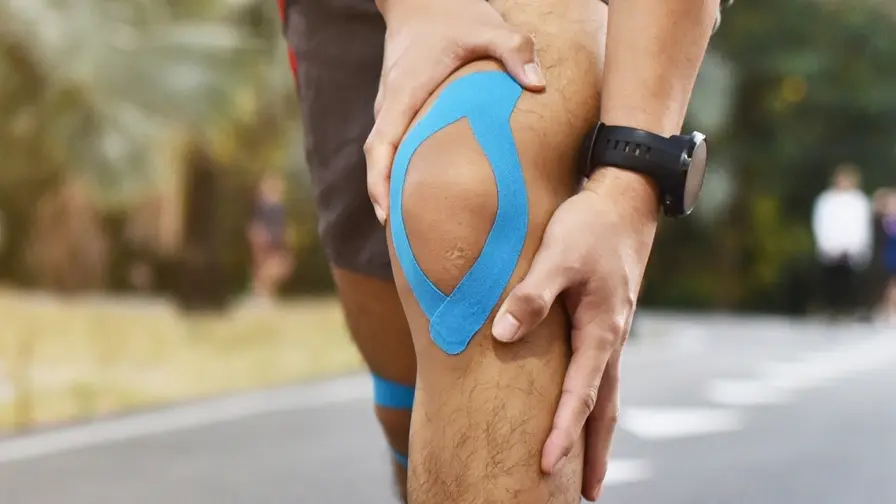
1. Begin small and sensible
Ten minutes of walking across a park lawn is enough to change joint mechanics. Begin with short, consistent sessions rather than sporadic extremes. Progress by adding time or small increases in resistance once you can perform a movement with good form and no lasting pain.
2. Prioritize support and safety
Always exercise near something you can hold, especially during balance work. Walking poles are a simple, effective tool for stability and posture. Avoid practicing balance drills when fatigued; tired muscles cannot protect joints as well as fresh ones.
3. Seek expert guidance
Not all exercise is risk-free. Faulty form in lunges or deep squats can place undue stress on knee structures. A brief assessment with a physiotherapist or certified exercise physiologist helps tailor load, range of motion and progression to your specific joint health and overall fitness.
Combine elements of strength, steady aerobic movement and balance into a weekly plan. For many older adults, two strength sessions, three low-impact aerobic sessions and daily short balance drills deliver measurable gains in pain and function within weeks.
Expert Insight
"Our joints are built to move," says Dr. Aisha Patel, a physiotherapist and movement scientist. "Motion maintains the very fluids and neural feedback that preserve joint surfaces. The trick is dose: enough to stimulate adaptation, not so much to inflame. We tailor programs to each person’s history and response, so progress is steady and sustainable."
Dr. Patel emphasizes measurable goals: improved walking speed, longer single-leg stands, or more comfortable stair climbing. Clinical outcomes like those are easier to track than pain alone and often predict long-term mobility.
Conclusion
Aging alters joint tissues and lubricating fluids, but avoidance is not the best defense. Low-impact, progressive exercise supports synovial fluid movement, strengthens the muscles that share load with joints, and sharpens proprioception so forces are spread more evenly. The evidence suggests that—when started sensibly and with attention to form—exercise reduces pain and improves function for people with joint degeneration. If you are uncertain where to begin, consult a trained clinician who can design a program that balances safety with measurable improvement. Move regularly. Build strength. Keep your balance. Your joints will thank you.

“The cosmos has always fascinated me. I write about space missions, astronomy, and the technologies pushing humanity beyond Earth.”

Discussion
Leave a Comment
Comments (3)
I work with older folks and can vouch: small strength gains change walking and pain in weeks. Balance drills are underrated. Not magic, but real.
This sounds promising but is the evidence strong for long term cartilage repair? Curious about sample sizes, and what counts as 'progressive' training.
Wow, didnt expect exercise to be the fix for creaky knees. Tried water aerobics once, felt way better, surprised. Gonna stick with it.