
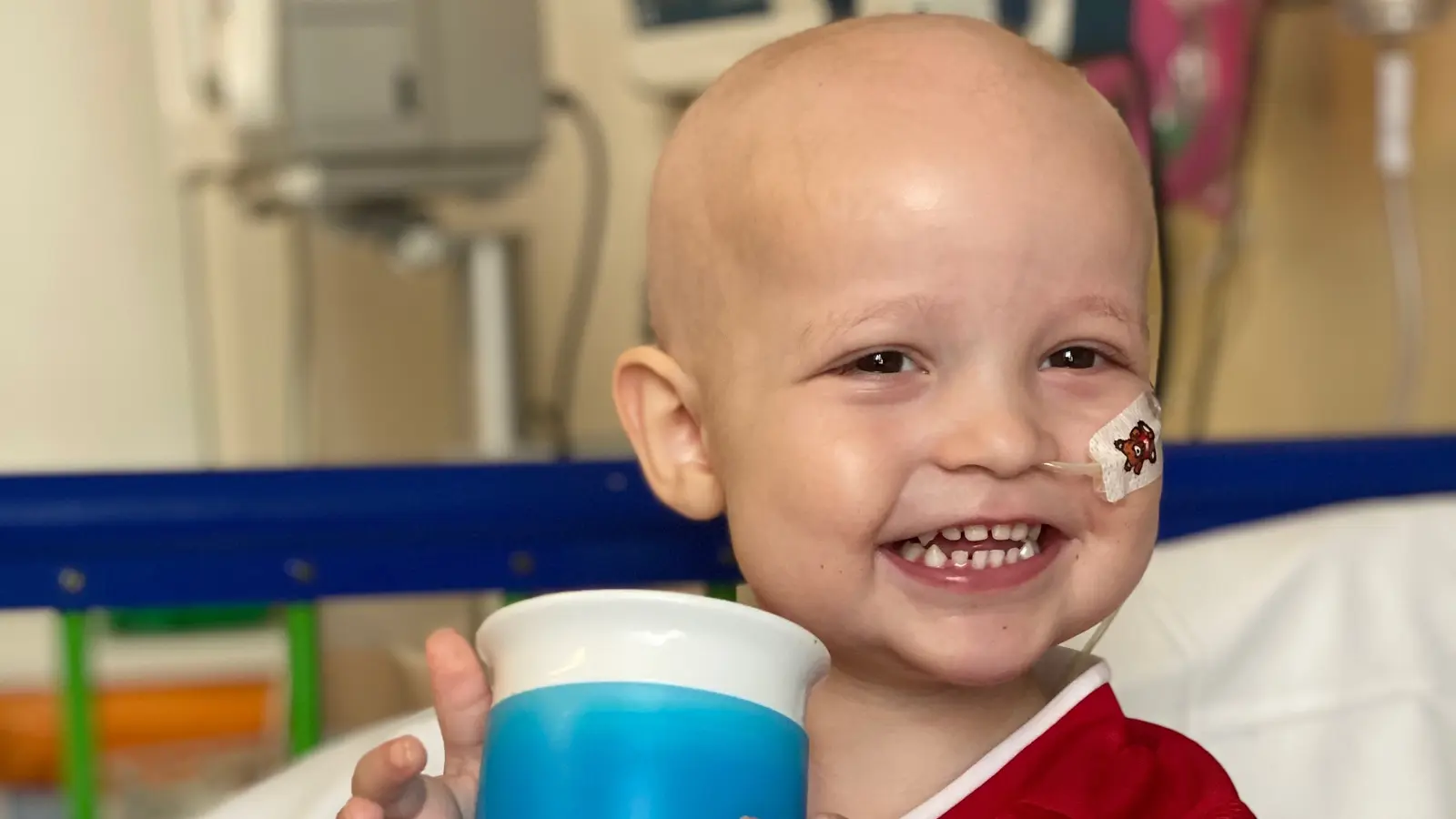
Some tumours whisper when they should scream. That is the unsettling image emerging from a new genomic study of rhabdomyosarcoma, the aggressive muscle-derived cancer that strikes children. Tumours once classified as lower risk can contain small populations of cells behaving like their high-risk counterparts, and those hidden cells may be the reason some young patients relapse despite apparently favourable diagnoses.

Researchers have found that some rhabdomyosarcomas considered lower risk may harbor aggressive cancer cells that resemble those seen in high-risk disease.
Detecting the danger inside the tissue
Rhabdomyosarcoma, or RMS, is one of the most common soft-tissue cancers in children under 15. In the UK it accounts for roughly 55 diagnoses per year. Clinicians have long relied on a key binary marker to stratify patients: the presence or absence of a specific gene fusion. Tumours that carry the fusion tend to respond poorly to treatment and are classed as high-risk. Those without it are usually treated as lower risk.
But biology rarely fits into tidy bins. Using high-resolution genomic tools, teams from the Wellcome Sanger Institute, the University of Cambridge, Great Ormond Street Hospital and University College London examined tumours at the level of single cells and in their spatial context. The techniques used are worth pausing on: single-cell RNA sequencing reads gene activity from individual cells, rather than averaging a signal across a mass of tissue. Spatial transcriptomics preserves the physical map, showing where active cells sit in relation to one another inside a tumour.
When you combine those approaches you stop missing the small, loud things hiding inside the crowd. The researchers discovered pockets of cells in tumours labelled as non-high-risk that carried gene expression patterns very similar to canonical high-risk tumours. In short, different genetic events can push cells toward the same aggressive state. It is convergence, not uniformity.
How different mutations lead to the same outcome
The team found rare genetic alterations in some non-fusion tumours that nevertheless disrupted the same cellular pathways implicated in fusion-positive RMS. Those alterations were not the same from patient to patient, but the downstream effect was similar: cells adopted transcriptional programmes associated with rapid growth, invasion and poor prognosis.
Why does this matter clinically? If a small fraction of cells within a tumour are already operating in a high-risk mode, standard diagnostic tests that average signals across the entire sample can miss them. That can lead to under-treatment of children who actually harbour aggressive disease. Conversely, recognising these hidden populations could allow doctors to escalate therapy for those who need it and spare others from unnecessary toxicity.
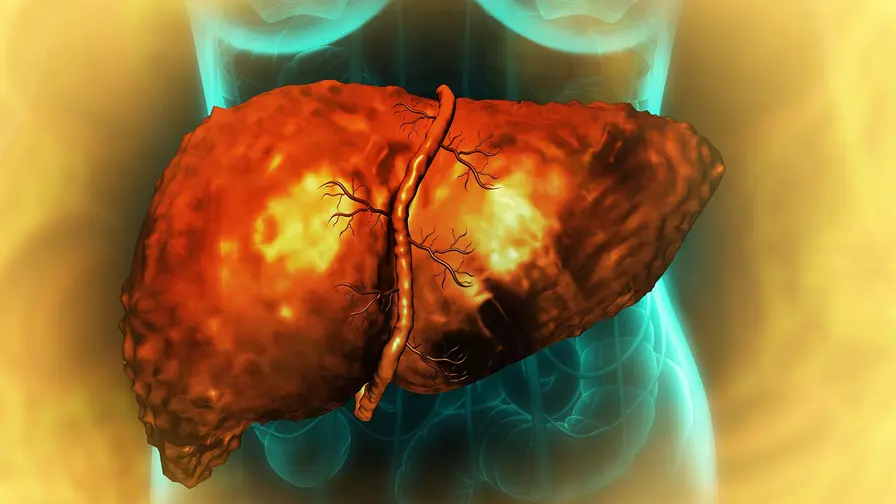
Therapeutic implications are immediate and strategic. Identifying surface markers or immune cues unique to the aggressive cell state could open the door to targeted therapies, including immunotherapies such as CAR-T cells or antibody-based approaches that selectively attack the bad actors while leaving healthy tissue relatively unharmed. Trials would require careful design, because the aggressive state may be rare within a tumour and can evolve over time.
Research scale-up and future prospects
The study reported in Cancer Research is not an end point. The investigators are expanding their analyses to hundreds more samples to map the full landscape of genetic routes that converge on aggressive RMS. Larger cohorts will help determine how common these hidden aggressive states are and whether they correlate with relapse risk or response to particular treatments.
There are technical hurdles. Single-cell and spatial methods are powerful but expensive and labor intensive. Integrating such approaches into routine diagnosis would require streamlined pipelines, clear biomarkers and evidence that early detection of the aggressive states actually changes outcomes. Those steps take time, but the biological insight is clear: classification by a single gene fusion is incomplete.
Expert Insight
"The key takeaway is that cell state matters as much as genotype," says Dr. Maya Chen, a fictional pediatric oncologist and molecular pathology consultant. "Two tumours can look different under the microscope and have different mutations, yet harbour the same aggressive cell populations. If we can detect those cells early, we can tailor treatment more precisely and, crucially, avoid overtreating kids who do not need it."
Voices from the field and patient advocacy
The study’s authors emphasised that these findings refine, rather than replace, current paradigms. As Dr Karin Straathof explained in summary, studying tumours one cell at a time exposes aggressive populations that conventional methods miss, and multiple genetic alterations can converge on the same malignant programme. Patient advocates echoed the sentiment: Sara Wakeling of Alice’s Arc highlighted the hope that cutting-edge technologies will move care toward personalization and better outcomes for children.
Cancer Research UK and other funders framed the work as discovery science with practical promise: understanding shared biology among aggressive tumours is an essential step toward targeted interventions. Professor Sam Behjati, formerly at the Wellcome Sanger Institute, put it bluntly: RMS should be thought of less as a single-gene disease and more as a problem of cell state, which has implications for how clinicians identify and treat high-risk cases.
Conclusion

The message for clinicians, researchers and families is both cautionary and hopeful. Beneath an apparently low-risk diagnosis, small populations of aggressive cells may be waiting. Modern genomic tools can find them. The next challenge is translating that detection into actionable medicine: robust biomarkers, scalable diagnostics, and therapies that target the malignant cell state without adding undue harm. The study reframes RMS classification and points toward a future in which risk is defined by cellular behaviour as much as by genotype.

“My work centers on sustainability, energy, and environmental science — examining how innovation can lead to a greener future.”

Discussion
Leave a Comment
Comments (3)
I've seen similar in lab rotations, small clones causing trouble later. If they find surface markers that'd be a game changer. Fingers crossed 🙏
Is this even ready for clinics though? Single-cell tech sounds cool but expensive, and will that actually change outcomes? skeptical.
Wow, didn't expect tumours to 'hide' aggressive cells like that. Creepy and hopeful at once, if tests catch them early maybe fewer relapses? yikes