
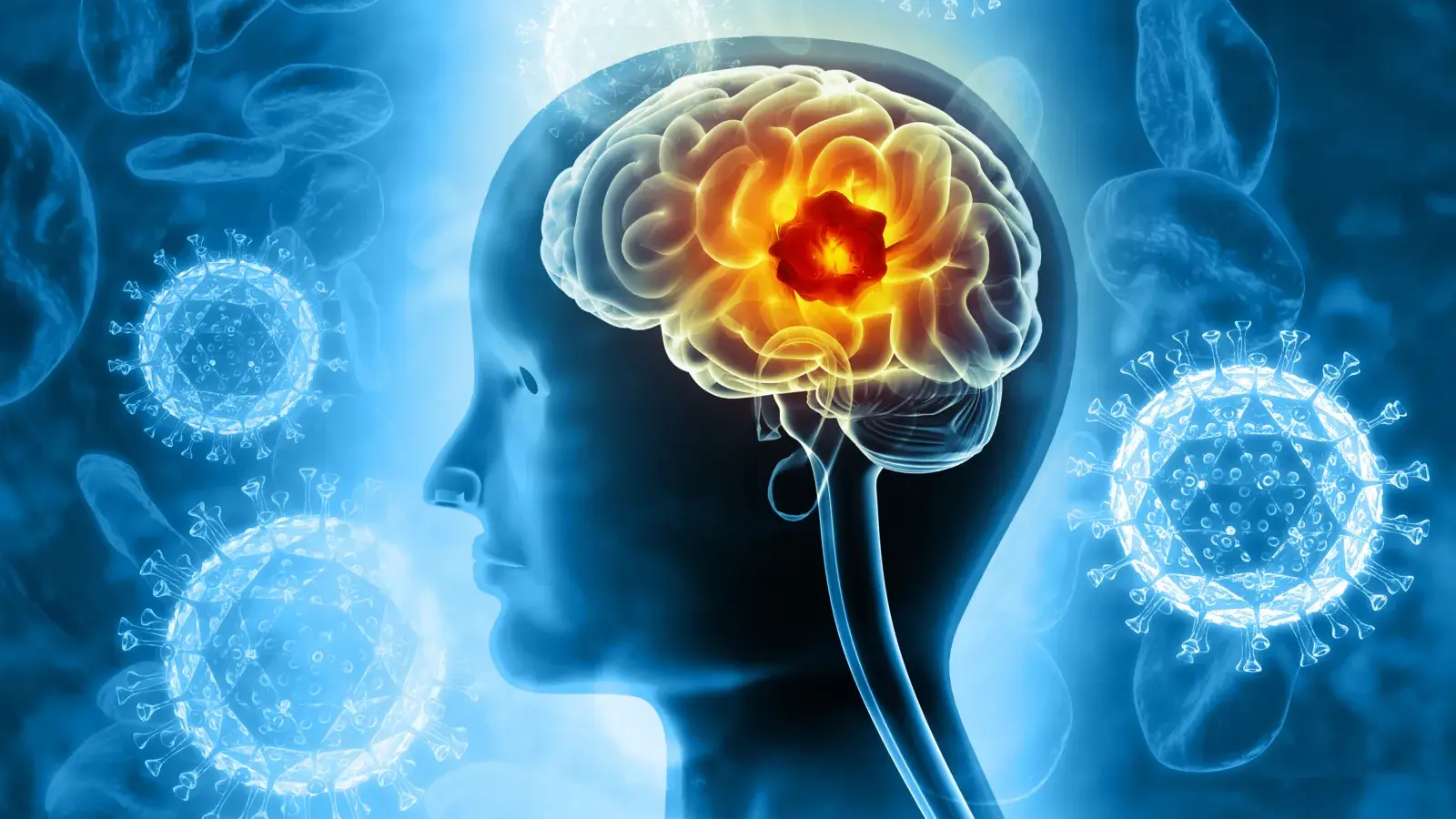
They aimed pulses of sound at the skull. Tiny bubbles answered. Nanoparticles slipped through. What looked like science fiction in the lab now reads like a precise plan to breach one of biology's toughest locks, the blood brain barrier.

A new delivery strategy uses ultrasound, microbubbles, and nanoparticles to carry microRNAs into the brain. Early results suggest it may attack several glioblastoma drivers at once.
The University of Virginia School of Medicine’s Roger Abounader, MD, PhD, and colleagues have identified “microRNAs” that can simultaneously suppress multiple malfunctioning genes responsible for glioblastoma’s formation and growth.
Glioblastoma kills by stealth. Its cells weave into healthy tissue, so surgeons cannot remove every last malignant strand. Standard therapy extends life, but the tumor almost always returns. A major reason is not a clever cell but a practical barrier. The blood brain barrier shields neurons from toxins and infections. It also keeps many anticancer molecules out.
How sound and bubbles open a protected door
The method researchers at the University of Virginia are testing combines three components: focused ultrasound, microscopic gas bubbles, and brain penetrating nanoparticles loaded with microRNAs. Under MRI guidance, focused ultrasound concentrates sound energy at a millimeter scale. Injected microbubbles respond by oscillating, briefly loosening tight junctions in the blood vessels of the targeted region. In that narrow window nanoparticles can cross into the brain tissue and deliver their genetic cargo.
Why microRNAs? These are short RNA sequences that do not code for proteins but regulate gene activity. A single microRNA can temper multiple genes at once. For a disease like glioblastoma, driven by a network of malfunctioning pathways rather than a single broken gene, that multiplex effect is attractive. Rather than combining several drugs and risking compounded toxicity, one microRNA cocktail can nudge many targets simultaneously.
In animal trials at UVA, mice implanted with human glioblastoma cells received nanoparticles carrying therapeutic microRNAs after MRI guided focused ultrasound. Tumor growth slowed. Survival increased. The results are early and limited to preclinical models, yet they hint at a delivery solution for therapies that until now could not reach the brain in adequate amounts.
Scientific background and wider implications
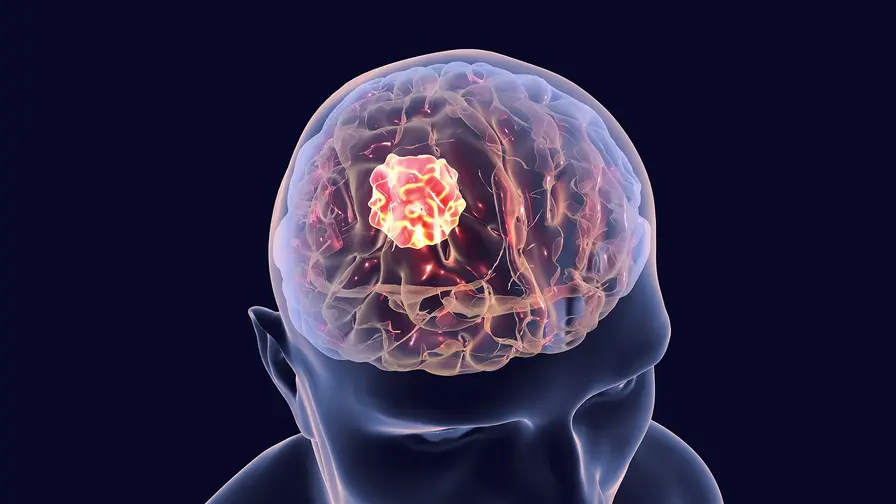
Glioblastoma is the most aggressive primary brain cancer in adults and accounts for thousands of deaths each year. Its genetic complexity frustrates targeted drug development. Many of the proteins that help glioblastoma survive are not readily druggable. MicroRNAs act upstream, lowering expression of those problematic genes simultaneously. That makes them a strategic tool against a disease defined by redundancy and adaptability.
Focused ultrasound is attractive because it provides temporal and spatial control. The blood brain barrier opens for minutes at most, and only where the ultrasound is focused. That precision reduces off target exposure and lowers systemic risk. MRI monitoring adds another safety layer. This is not a shotgun approach. It is a targeted, timed window for delivery.
UVA has experience with focused ultrasound and has expanded that work through collaborations and centers devoted to exploring combinations with immunotherapy and other modalities. The potential extends beyond glioblastoma. Any neurological condition that is limited by delivery could benefit if safety and efficacy translate to humans.
Expert Insight
Dr. Elena Morris, a neuro-oncologist who has followed focused ultrasound research closely, offered perspective. "The real advance here is delivery. We have many candidate molecules that fail because they never reach the tumor in sufficient concentrations. Opening the barrier transiently and locally changes the problem from theoretical to practical. That said, translating efficacy from animals to patients will require careful dose control, imaging, and long term safety data."
Abounader and his team emphasize cautious optimism. They note that while the microRNA approach allows simultaneous targeting of several tumor drivers, each new therapeutic cargo will need independent evaluation. Safety, off target gene effects, and the immune response to repeated barrier openings are all open questions.
Institutional context matters. UVA's comprehensive cancer program and its collaborative Focused Ultrasound Immuno Onco logy initiative create infrastructure for moving promising concepts into clinical trials. A statewide clinical trials network supports broader patient access when therapies reach that stage. This combination of technology, translational expertise, and trial infrastructure accelerates the path from bench to bedside, but it does not guarantee success.
Conclusion
Targeted, transient opening of the blood brain barrier with focused ultrasound is less an end than a platform. It can carry microRNAs, small molecules, or biologics to locations they could not otherwise reach. Early animal data show slowed tumor growth and longer survival. The next steps are rigorous safety testing and carefully designed human trials to learn whether the promise survives the leap from models to patients.
For families facing glioblastoma, that leap may mean new options where few exist today. For researchers, it is a reminder that sometimes the most important advance is not a single new drug but a better way to get the right medicine to the right place at the right time.

“The cosmos has always fascinated me. I write about space missions, astronomy, and the technologies pushing humanity beyond Earth.”

Discussion
Leave a Comment
Comments (2)
wow didnt expect microRNAs delivered by sound bubbles to slow glioblastoma… hopeful but also nervous. long road to patients tho 😬
they really use ultrasound + bubbles to crack the BBB? if that's true, huge, but what about repeated damage, immune stuff? hmm..