
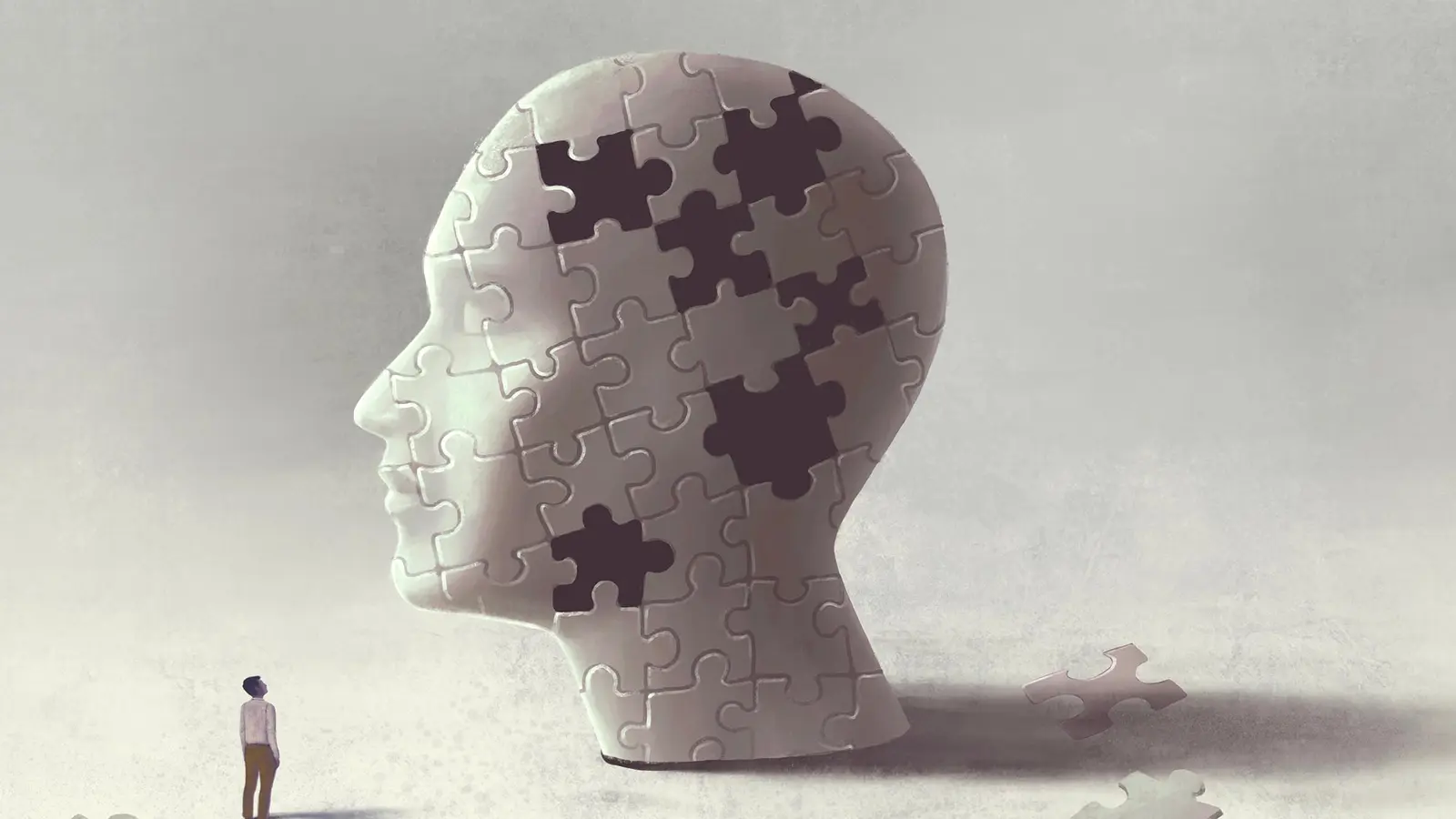
She remembers the trip, not the songs. He recalls the argument, not the exact words. Memory, for many older adults, becomes a narrative rather than a photo: the plot survives, the pixels fade.
How recollection shifts with age
New research from the University of East Anglia examined how aging changes what we retrieve from our past. The team compared younger and older adults as they recalled two kinds of autobiographical memories: specific single events, like a birthday party, and categorial memories, such as the routine of commuting to work. The twist was that participants were sometimes asked to switch between those two modes of remembering on the fly.
The headline finding is subtle but important. Older adults did not simply lose information uniformly. Instead, their recollections showed a distinctive pattern: fewer sensory and contextual details, and an increased reliance on general knowledge and interpretation. In other words, memory shifted from episodic richness toward semantic breadth.
When flexibility matters
Switching memory types exposed the age gap. Both groups struggled more when asked to alternate between specific and categorial memories, but older adults were especially challenged when recalling routine, repeated experiences under switching conditions. Their recall of single, unique events was less impaired by the task demands.
Why would that be? One interpretation ties the finding to cognitive control—the brain systems that manage attention, task switching, and the retrieval of context. Producing a categoric memory requires selecting and assembling a representative pattern drawn from multiple similar episodes. Doing that quickly, and while alternating with other retrieval goals, places a heavier load on the control mechanisms that tend to weaken with age.

Details fade; meaning remains
When researchers analyzed what participants actually said, the content shifted with age. Older adults offered fewer sensory descriptors: sights, sounds, smells, and emotional tone were less frequent. Instead, their accounts were richer in semantic material—explanatory statements, general facts, and interpretations that place events within a larger framework.
This pattern suggests aging is not only a process of forgetting. It is a transformation in the balance between two memory systems. Episodic memory stores the vivid, context-bound details of an experience. Semantic memory holds general knowledge and concepts. As the former loses prominence, the latter compensates by providing structure and meaning. That trade-off has costs. Specific cues tied to a moment become harder to summon. It also has perks. A more semantic-based memory can improve communication and decision-making because it emphasizes patterns and lessons learned over single data points.
Scientific context and implications

Neuroscience links this behavioral shift to changes in brain networks. Regions like the hippocampus and adjacent medial temporal structures support the reinstatement of detailed context. Prefrontal regions guide retrieval strategies and switching between goals. Age-related alterations in those networks could explain why details are scarcer while generalized knowledge persists.
Practically, the findings matter for everyday life. Activities that require rapid alternation between detail-focused and big-picture recall—storytelling that toggles between anecdote and summary, or professions that demand switching between concrete evidence and background knowledge—may become more effortful with age. At the same time, older adults may excel at extracting lessons and spotting patterns across experiences, a cognitive strength sometimes labeled as accumulated wisdom.
Methods at a glance
The study tested 37 younger adult students and 37 older community volunteers. Participants responded to neutral cue words and retrieved either a single-event memory or a categorial memory. In one condition they focused on one type at a time. In another condition they switched back and forth, increasing demands on cognitive control. Researchers scored both accuracy at following the retrieval instruction and the qualitative content of each recollection.
Results were consistent across measures: switching impaired performance for everyone, but older adults showed a disproportionate reduction in the richness of context-specific details and a relative increase in semantic content.
Expert Insight
"This pattern helps explain a common experience: older people telling a story that captures the meaning but lacks vivid sensory detail," says Dr. Maria Havel, a cognitive neuroscientist and science communicator. "It does not mean memory is failing wholesale. It means the cognitive architecture guiding what we pull up from the past is changing. That has implications for caregiving, legal testimony, and even how we design memory-support tools."
Practical takeaways and future directions
What can individuals and clinicians do with this knowledge? First, recognizing the distinction between losing details and shifting emphasis reframes interventions. Techniques that cue context—photos, location reminders, or olfactory prompts—may help retrieve episodic detail when it matters. Second, tasks and environments that minimize rapid switching or that scaffold the retrieval goal can reduce errors.
For researchers, the next steps include mapping the neural dynamics of these retrieval shifts and testing whether training aimed at cognitive control or context reinstatement can rebalance the episodic-semantic relationship. Longitudinal studies would also reveal whether the semantic tilt emerges gradually or through critical transitions.
Conclusion

Aging changes memory in ways that are more nuanced than simple loss. Older adults often retain the storyline of their lives while the sharpness of individual moments softens. That shift reflects changes in cognitive control and in the interplay between episodic and semantic systems. Understanding that interplay offers pathways to support cognition that respect both the limits and the preserved strengths of the aging mind.

“The cosmos has always fascinated me. I write about space missions, astronomy, and the technologies pushing humanity beyond Earth.”

Discussion
Leave a Comment
Comments (2)
Is this even tested broadly? sounds plausible but 37 ppl per group seems small.. curious about real-world effects
wow that fits my grandad. He keeps the lesson not the smells, memories turn into meaning. sometimes i wish for the pix tho