

Imagine the relief of depressive mood without the return of clear thinking. For many people who have recovered from major depressive episodes, that relief never fully arrives. They are left alert in body but fogged in mind, struggling with memory, attention, and the simple acts of planning and decision making.
Small trial, surprising results
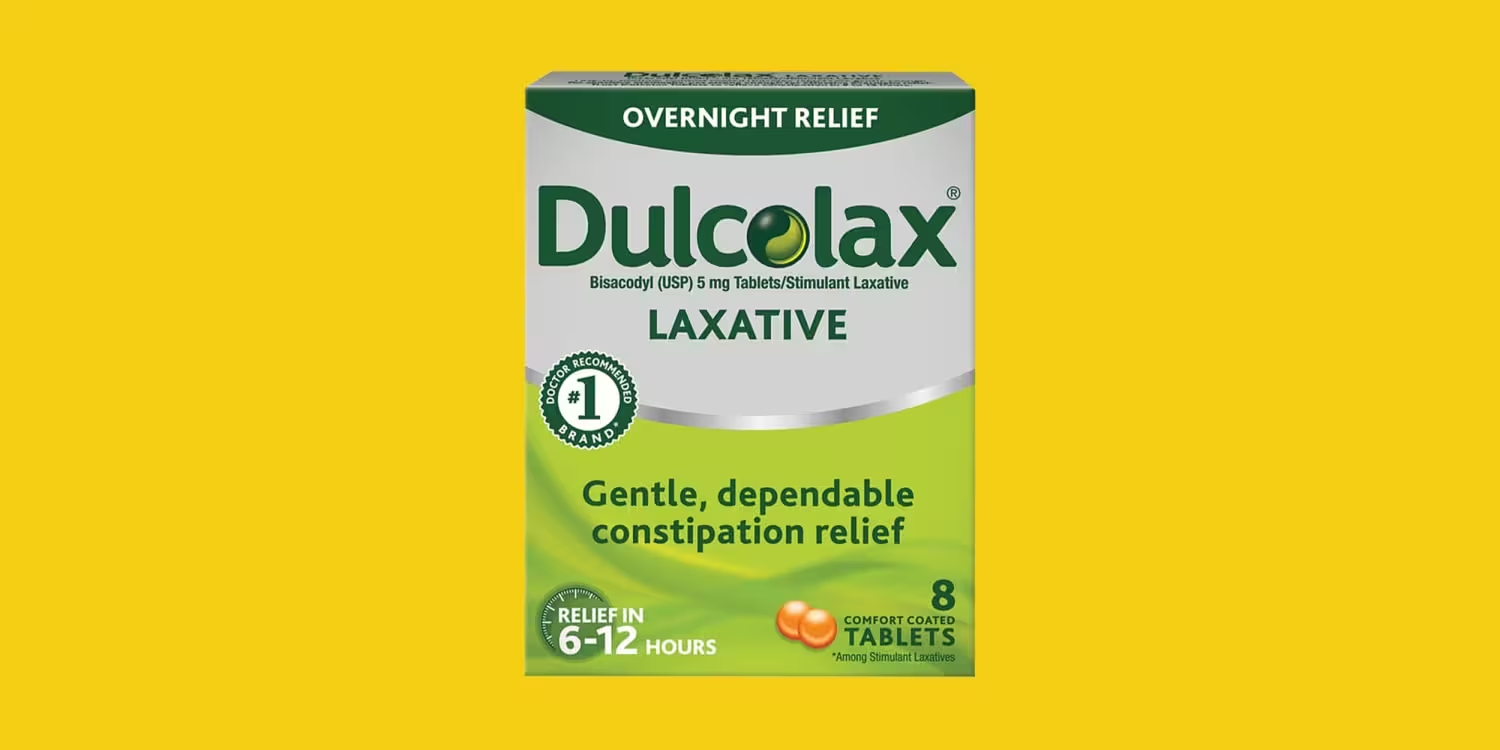
Researchers at the University of Birmingham and the University of Oxford tested a different angle on that persistent cognitive burden. Instead of a new antidepressant, they tried prucalopride, a drug licensed for chronic constipation that activates the serotonin 5-HT4 receptor. The receptor sits both in the gut and the brain and has been linked in prior studies to learning and memory circuits.
Fifty adults aged 18 to 40 who had experienced at least two prior depressive episodes but were symptom-free for at least six months were recruited. None were taking psychiatric medication at the time. Participants were randomized to receive 2 mg prucalopride or a placebo for seven to ten days. Cognitive testing was carried out before and after the short course.
The results were clear in direction. On objective tests of memory, attention, and executive function, people who received prucalopride became both faster and more accurate. Across the so called cold cognitive measures, accuracy rose by about 0.59 standard units relative to placebo and reaction times improved by roughly 0.69 standard units. The trial reported no serious adverse effects and no troubling gut complaints beyond what is expected from a gentle prokinetic.
Which tests were used
- Auditory verbal learning and memory task (AVLT) for declarative memory
- N-back task for working memory
- Trail Making Test and Digit Symbol Substitution Test for attention and processing speed
- Three emotional cognition tasks probing emotional reasoning
Dr Angharad de Cates, the study first author at the University of Birmingham, highlighted how cognitive symptoms are often overlooked in clinical recovery. She noted that targeted 5-HT4 receptor stimulation may accelerate improvement in episodic and working memory, and in the brain systems that support concentration and planning.
Why a constipation drug might sharpen the mind
It sounds counterintuitive, but the physiology helps explain the finding. The 5-HT4 receptor modulates neurotransmitter systems involved in learning, including acetylcholine and glutamate, and it can promote synaptic plasticity. In animal work and earlier human studies, agonists at this receptor have produced rapid pro-cognitive and antidepressant-like effects. Repurposing an existing compound that already has an established safety profile shortens the road from laboratory insight to potential clinical use.
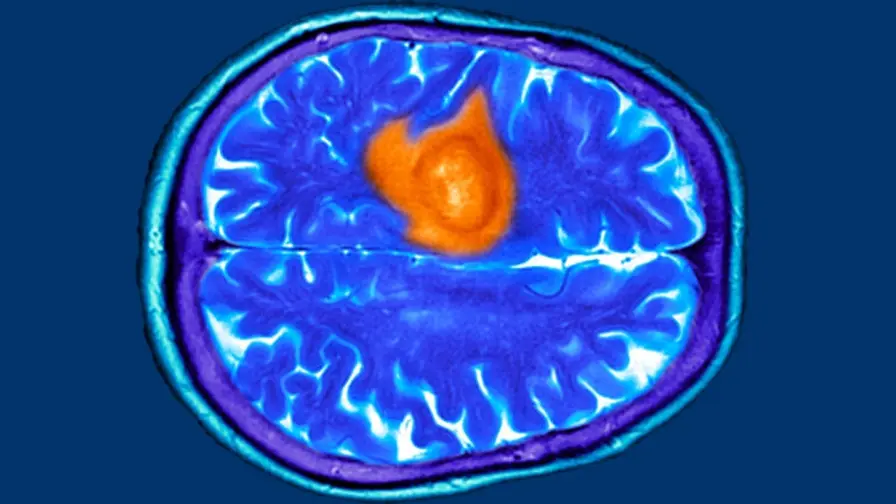
Still, this is an early-stage, proof of concept study. The cohort was modest in size and limited to younger adults who were not taking other medications. Longer trials, with more diverse participants and repeated dosing, are needed to test whether benefits persist and whether the approach helps people whose cognitive symptoms are severe or long-standing.
Professor Susannah Murphy of the University of Oxford, senior author of the study, framed the finding as opening a new direction in treatment development. For many patients, mood recovery is only part of the problem. Restoring memory and concentration may be essential to full functional recovery at work and in daily life.
Expert Insight
"This study is an elegant example of drug repurposing that targets a clear clinical gap," said Dr Elaine Carter, a neuropsychopharmacologist not involved in the trial. "If larger trials confirm these effects, 5-HT4 agonists could be a practical adjunct to psychotherapy and antidepressants, specifically aimed at restoring cognitive function rather than mood alone. Mechanistically, the rapid modulation of cholinergic circuits is a plausible route to faster cognitive gains."
Beyond clinical trials, researchers will need to map who benefits most, whether effects persist beyond active dosing, and how 5-HT4 agonists interact with common antidepressants. There is also the regulatory question of reclassifying a gastrointestinal medicine for a psychiatric indication, which will require robust efficacy and safety data in the target population.
Implications for patients and research
For patients, the study offers a cautious note of optimism. Cognitive symptoms that linger after mood lifts are not merely an annoyance. They drive disability and reduce quality of life. A medication that meaningfully improves memory, attention, and processing speed could change recovery trajectories for many people.
For the scientific community, the trial reinforces two broader themes: the brain and the body share molecular targets, and repurposing existing drugs is a pragmatic path to new treatments. This work does not yet change clinical practice, but it does give clinicians and researchers a focused hypothesis to test in larger, longer, and more varied samples.
Conclusion

Prucalopride may be better known for easing constipation, but this small trial shows it can also sharpen cognitive performance in people with a history of depression. The result is not a cure but a promising lead. If subsequent research confirms and extends these findings, 5-HT4 receptor agonists could become a targeted tool against the cerebral fog that so often follows depression.

“My work centers on sustainability, energy, and environmental science — examining how innovation can lead to a greener future.”

Discussion
Leave a Comment
Comments (2)
Is it really 5-HT4 or just practice effects? 7 to 10 days seems tiny, and they excluded people on meds. How would this mix with SSRIs, any safety issues? kinda skeptical
Wow, prucalopride sharpening memory? Didn't expect that. Small sample, young adults only, but the idea of a gut drug easing brain fog is wild. Curious about long term data tho