
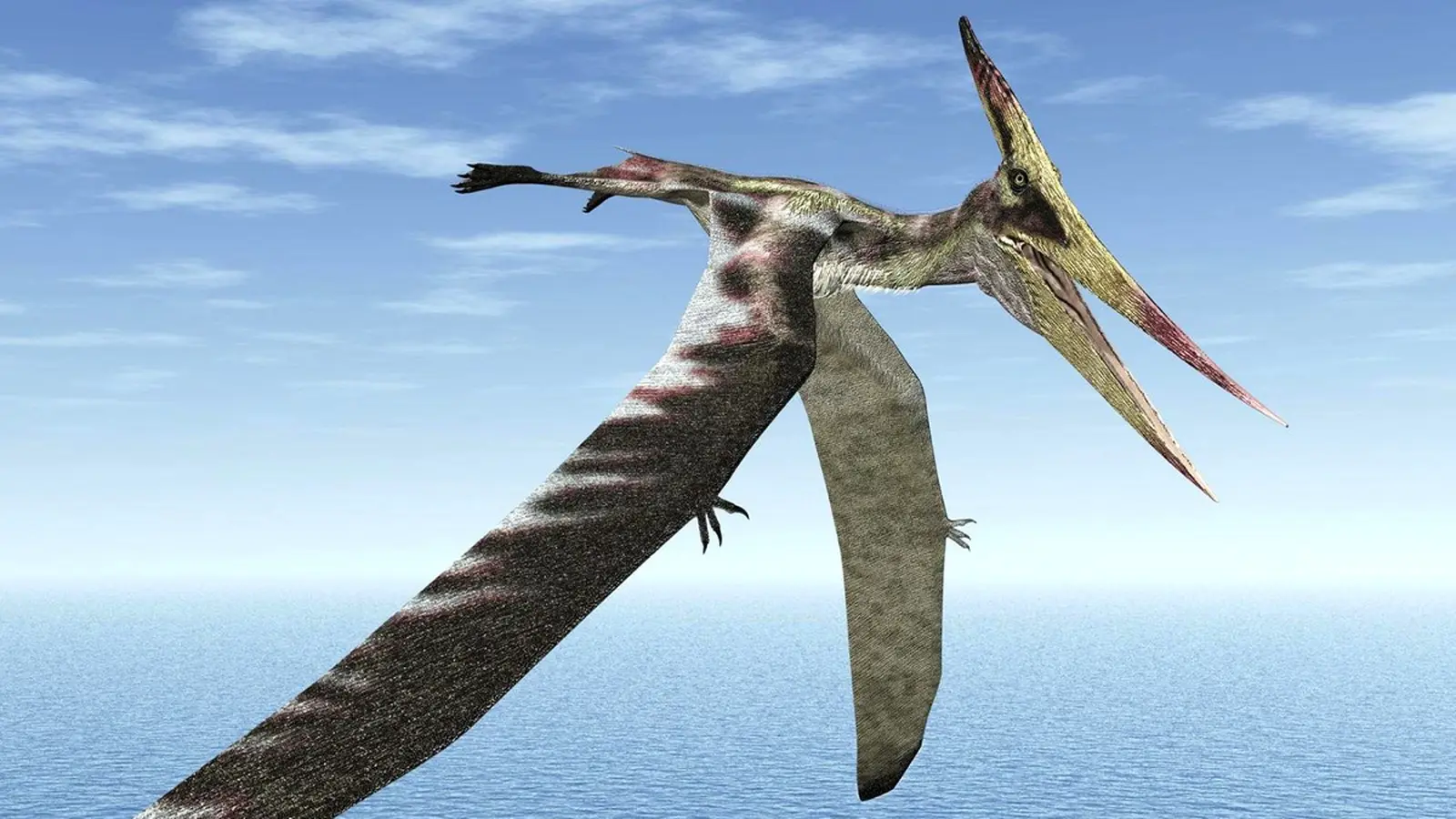
The bone arrived like a whisper from deep time: a hollow wing phalanx, fragile as paper, fossilised inside a hard nodule and carrying chemical stories no one expected to read.
A mineral time capsule from the Araripe Basin
Found in Brazil's Romualdo Formation, this pterosaur wing bone comes from one of the planet's richest fossil windows. The site is famous for fish, turtles, crocodile relatives and flying reptiles preserved with exceptional detail. Many of those specimens lie inside rounded carbonate concretions, mineral spheres that form shortly after burial and effectively shield remains from chemical attack.
These concretions act as natural safes. When an animal dies and is buried rapidly, microbial decay and local chemistry can trigger mineral precipitation. The result is a compact, layered vault that locks in both structure and, sometimes, fragile organic traces.
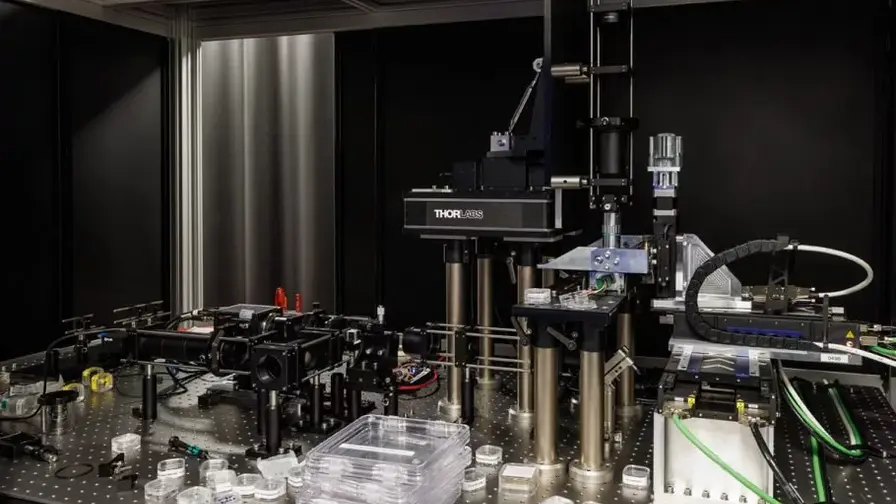
In this case the bone is a slender phalanx. Pterosaur bones were hollow and light to support flight, so finding one with intact internal detail is rare. Researchers used high resolution CT scanning to peer inside without breaking the nodule, then combined imaging with targeted geochemical analyses to map mineral layers and molecular residues.
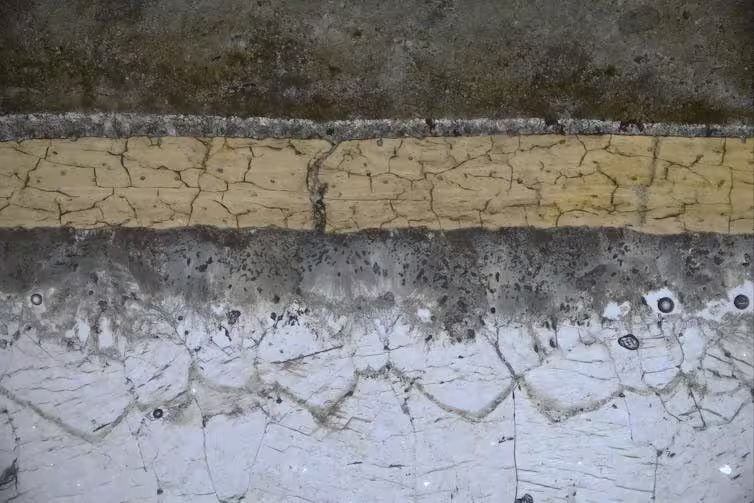
A microscope view of a section of the pterosaur fossil shows its dark carbon coating and mineral layers.
Microbes did more than rot
Death on an ancient seafloor set off a chain reaction. Bacteria fed on soft tissues and changed the porewater chemistry around the carcass. Those microbial processes released phosphate and sulfur compounds that promoted the rapid formation of minerals.
Fluorapatite, a phosphate mineral, formed in and around the bone early on. That mineral helped stabilise microscopic bone architecture, preserving tiny nutrient canals and the faint patterns of organic scaffolding. Meanwhile, minerals linked to sulfur-using bacteria, such as barite and celestite, left a geochemical fingerprint of the microbial community that drove preservation.
So the microbes were both agents of decay and architects of conservation. Their metabolic byproducts altered the immediate chemistry in ways that favored mineral precipitation fast enough to protect delicate tissues from complete dissolution.
Layers, chemistry and preserved molecules

After initial phosphate stabilization, layers of calcite progressively filled the bone cavity. Analysis reveals a sequence: a fine-grained calcite veneer hugging the bone, a coarser intermediate layer, and, over longer time scales, larger calcite crystals that finished the fill. Carbon isotope ratios in these calcites point to organic sources for much of the carbon, likely from decaying lipids and residual bone organics.
Crucially, that multi-layered mineral barrier operated like a vault. It minimized fluid exchange and chemical attack. Inside, sensitive molecular fragments survived, trapped beneath mineral skins and within tiny canals.
Analytical work detected sterane molecules, which are alteration products of steroidal lipids. Steranes are not commonly reported from pterosaur remains, and their presence here opens new lines of inquiry into physiology and diet. Carbon isotope measurements on cholesterol-derived compounds indicate a marine feeding signature, consistent with anatomical clues suggesting fish or squid formed much of this animal's diet.
Microscopic patterns resembling collagen fibres also remain visible. Chemically altered, yes, but the fibre arrangements echo those seen in bird bone, reinforcing the deep evolutionary connections between pterosaurs, dinosaurs and modern avians.
What this means for paleontology
We are shifting how fossils are read. Shape and form still matter, but chemistry and molecular residues offer a second, independent language. When conditions align—rapid burial, specific microbial communities, and early mineralization—biomolecular information can be locked away for tens of millions of years.
This discovery suggests other unusual or concreted specimens deserve closer chemical scrutiny. Knowing the signatures that indicate exceptional preservation will help paleontologists prioritise samples for expensive molecular analyses. It also expands the kinds of questions we can ask: not just what an animal looked like, but what it ate, how its tissues were organised, and how its biology compared to living relatives.
Expert Insight
"Finding sterane biomarkers in a pterosaur is a game changer for vertebrate palaeobiology," says Dr. Elena Márquez, a palaeochemist at a major natural history institution. "It proves that under the right geochemical regime, the fossil record preserves biochemical signals that we once assumed were lost. These molecules let us test ecological and physiological hypotheses in ways that skeletal anatomy alone cannot."
Dr. Márquez adds that continued improvements in non-destructive scanning and targeted mass spectrometry will likely reveal similar molecular caches in other concreted fossils, shifting how field teams collect and prioritise material for laboratory study.
Conclusion
Under exceptional circumstances, molecular traces of life can survive more than 100 million years. This pterosaur wing, preserved inside a carbonate concretion and stabilized by early phosphate and layered calcite, preserves both microstructural detail and molecular signatures that reveal diet and tissue composition.
As analytical tools become more sensitive, and as researchers learn the geochemical footprints that signal exceptional preservation, the fossil record will yield new types of evidence. Ancient life is not confined to bones and teeth. It has left chemical echoes waiting for the right techniques and the right questions.

“My work centers on sustainability, energy, and environmental science — examining how innovation can lead to a greener future.”

Discussion
Leave a Comment
Comments (2)
Is this even real? Steranes in a pterosaur bone sounds huge but contamination is my first thought, how did they exclude modern organics or lab mixups
Wow this is wild, molecules surviving 100M yrs? makes my brain melt. Imagine what else is hidden... thrilling but weird