

Reach for a can, hear the fizz, and you have a ritual repeated millions of times every day. For many, that small pleasure feels harmless. New research suggests it might carry a heavier cost than we realized.
What the new analysis found
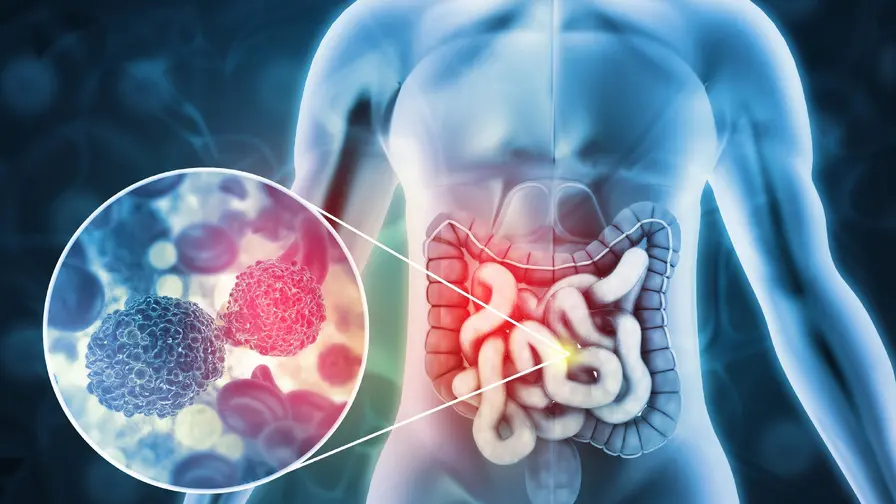
A team led by gastroenterologist Andrew T. Chan analyzed decades of data and reported an association between daily consumption of sugar-sweetened beverages and an increased risk of gastric cancer. The pooled analysis drew from two long-running US cohorts, the Nurses' Health Study and the Health Professionals Follow-Up Study, covering 112,284 participants tracked between 1986 and 2022. Over that period, 278 cases of gastric cancer were documented.
People who drank at least one sugar-sweetened beverage per day, defined as a serving of 8 ounces or 237 milliliters, were about 2.45 times more likely to develop gastric cancer compared with those who reported no sugary drink consumption. The elevation in risk appeared across sexes, with women showing roughly a threefold increase and men about double the risk, relative to nonconsumers.
These results were published in Gastro Hep Advances. As Chan put it, 'This is the first study to demonstrate an association between sugar-sweetened beverage intake and gastric cancer in a US population.' He and colleagues stress that diet is a plausible, understudied contributor to a malignancy that ranks among the top causes of cancer death worldwide.

How the study was conducted
Cohort methods and measures
Participants completed food frequency questionnaires every two years, detailing intake of carbonated sodas, punch, lemonade, sports drinks, and similar beverages. The researchers adjusted for many potential confounders, including lifestyle factors, body mass index, smoking, and other dietary variables. Artificially sweetened beverages were examined too, and no link to gastric cancer incidence was detected in this analysis.
Still, observational studies have limits. Correlation is not causation. The investigators acknowledged gaps in the dataset, notably incomplete information about Helicobacter pylori infection, a bacterium strongly linked to gastric cancer. Family history and some clinical details were also not fully documented for every participant.
Biological leads and unanswered questions

The paper does not establish a mechanism. That question remains open. Researchers propose several plausible pathways. Excess sugar intake can promote weight gain and insulin resistance. Those metabolic changes influence hormones and inflammatory signaling. Chronic inflammation damages tissue and can push cells toward malignant transformation. Other hypotheses include direct effects of high sugar on the stomach lining, DNA damage, or shifts in the gut microbiome known as dysbiosis. Any one of these, or a combination, could play a role.
Why would women in this analysis show a higher relative risk than men? The study does not answer that. Differences in beverage types, hormonal interactions, or unmeasured lifestyle factors could be involved. More targeted research will be needed to tease these threads apart.
Public health implications
Sugar-sweetened beverages have long been implicated in obesity, type 2 diabetes, and cardiovascular disease. Global estimates already link their consumption to hundreds of thousands of deaths each year. If the association with gastric cancer is confirmed by independent studies, it deepens the case for stronger public-health measures to reduce sugary drink intake—especially in populations where daily consumption is the norm.
Policymakers, clinicians, and educators may need to update guidance. Simple interventions can help: improving access to drinking water in schools, taxing sugar-sweetened beverages, and curbing marketing targeted at children. Small changes at scale can move population risk curves.
Expert Insight
Dr. Emily Hayes, an oncologist and epidemiologist not involved in the study, commented on the findings. 'The magnitude of risk reported here is striking, especially given how common daily sugary drink consumption is. This analysis should prompt more mechanistic studies and reinforce preventive advice. Patients often ask what single change will reduce cancer risk. Cutting down on sugary drinks is one concrete step with multiple health benefits.'
Conclusion
The study adds an important piece to a growing body of evidence that sugar-sweetened beverages are more than an empty-calorie indulgence. It does not prove that sugary drinks cause gastric cancer, but it raises a clear red flag. Further research is needed to confirm the association and to identify the biological processes at work. Meanwhile, reducing daily consumption of sugar-sweetened beverages stands out as a low-cost, widely accessible strategy that could lower the burden of several chronic diseases, possibly including stomach cancer.
Future studies should prioritize collecting robust data on Helicobacter pylori, more detailed family histories, and objective biomarkers of metabolic dysfunction. Only then will we know whether the fizz and sweetness hiding in a can translate into a tangible cancer risk and how best to act on that knowledge.

“The cosmos has always fascinated me. I write about space missions, astronomy, and the technologies pushing humanity beyond Earth.”

Discussion
Leave a Comment
Comments (2)
Whoa, I drink one soda a day... kinda freaked now. Guess I'll switch to water. Don't wanna roll the dice with cancer 😬
Wait so soda might up stomach cancer risk? 2.5x seems huge. But without H pylori data, hard to know. More studies pls, this worries me.