
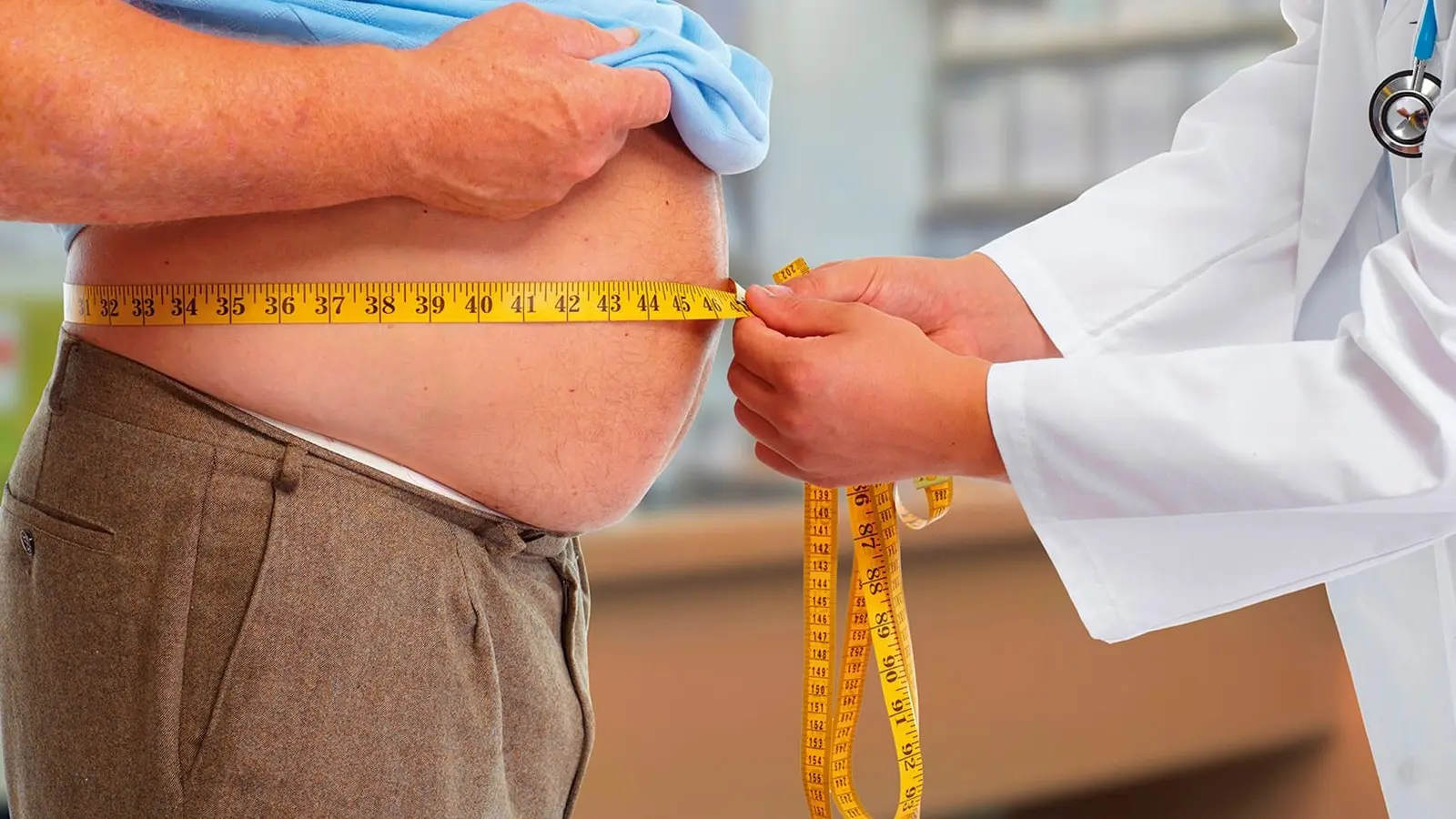
Imagine a health screening that asks for your age, waist size and the length of your thigh. Strange, right? Yet researchers in Denmark say that a simple tape measure might reveal a hidden risk for prediabetes and undiagnosed type 2 diabetes without a single blood draw.
A measurement you did not expect to matter
The new online calculator, known as MEDWACS, blends seven easy-to-take inputs to estimate whether an adult may already have prediabetes or undiagnosed type 2 diabetes. Users provide age, sex, body mass index, waist circumference, systolic blood pressure, upper arm circumference, and thigh length. That last item is the eyebrow-raiser. You can measure all of this at home with a tape, a scale and a home blood pressure cuff. No lab, no fasting. Just numbers you can gather yourself.
Why would thigh length help? The researchers propose two biologically plausible signals encoded in that single measurement. First, femur length carries a record of early childhood growth and nutrition. Suboptimal nutrition in infancy can produce slightly shorter leg bones and is associated with elevated diabetes risk decades later. Second, the thighs house the body’s largest muscles, which play an outsized role in removing glucose from the bloodstream. Less muscle mass in the legs can reduce the body’s ability to clear circulating sugar.

From three decades of data to a free online screen
MEDWACS was created at the Technical University of Denmark by postdoctoral researcher Daniel Yoo together with Professor Olivier Jolliet and Dr. Umberto Maggiore, a clinician and kidney researcher from the University of Parma. The team trained their model on nearly 30 years of data from the US National Health and Nutrition Examination Survey, known as NHANES, and then tested it on independent datasets from the United States and South Korea.
The variables fed into the algorithm were culled from a large pool of candidates by automated selection. What remained were seven measurements that, when combined, predicted prediabetes and hidden type 2 diabetes at least as well as many established risk screens. In head-to-head validation, MEDWACS matched or outperformed other common risk assessment tools, making it a promising addition where laboratory testing is unavailable or where people might not otherwise seek care.

Public health need is obvious. In the United States alone, roughly 115 million adults have prediabetes and around four out of five are unaware. Prediabetes typically lacks dramatic symptoms, yet it raises the odds of progressing to type 2 diabetes, as well as cardiovascular disease and stroke. An accessible online screen can nudge people to follow up clinically, the team argues. As one of the developers observed, people rarely get a blood test unless they suspect a problem. A low-friction at-home tool can change that calculus.
Implications, limits and next steps
MEDWACS is not a diagnostic test. It is a triage instrument, designed to flag who should pursue formal laboratory evaluation. It could be especially useful in low-resource settings, telehealth triage, workplace wellness programs, or community screening drives. That said, important caveats remain. Measurements must be taken correctly. Population differences matter. The original model draws heavily on US survey data and the external checks included South Korean cohorts, but wider geographic validation will strengthen confidence in diverse populations.
There are also biological complexities. Thigh length links to childhood nutrition and adult muscle mass, but it will not capture every path to diabetes. Genetics, diet, physical activity, and socioeconomic factors all play a role. Still, combining skeletal and soft-tissue signals into one quick assessment is an inventive approach that reframes what simple anthropometry can reveal about long-term metabolic health.
Expert Insight
"Tools like this help bridge the gap between population data and individual action," says an endocrinologist unaffiliated with the study. "They are not a substitute for diagnostic tests, but they can lower barriers for people to seek care. From a prevention standpoint, identifying at-risk individuals earlier opens the door to lifestyle interventions that can delay or prevent progression to overt diabetes."
MEDWACS is freely accessible online and its creators published their validation in a peer-reviewed epidemiology journal. For clinicians and public-health planners, the tool offers a novel option for screening that is cheap, scalable and surprisingly informative. For individuals, it is a reminder that small measurements can carry large signals when interpreted in the right context.


“My work centers on sustainability, energy, and environmental science — examining how innovation can lead to a greener future.”

Discussion
Leave a Comment
Comments (2)
is this even true? measuring thigh length to predict diabetes sounds wild. populations differ, and ppl will measure wrong. still low-cost screen could help if validated
wow, thigh length? didnt see that coming. kinda cool that childhood nutrition might show up on a tape measure. curious how accurate tho, measurements picky