
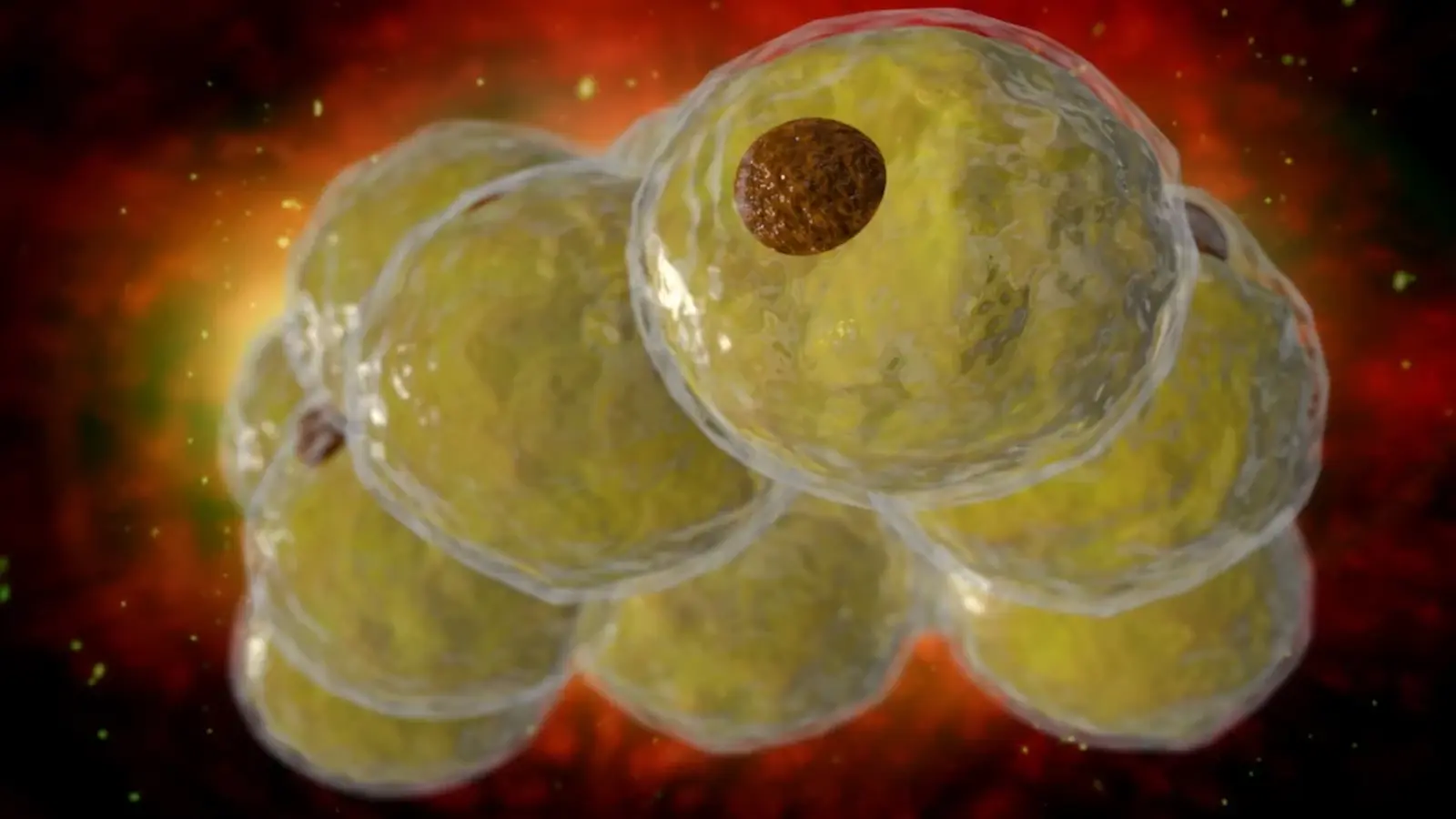
A mouse on a high-fat diet drops nearly a fifth of its body weight in a month, while still eating the same amount. That is what happened in a laboratory at the University of California, Berkeley, when researchers dosed obese male mice with a small molecule called 5-tetradecyloxy-2-furoic acid, known as TOFA. The change was not driven by appetite. It came from a shift in how the animals used and stored energy.
How TOFA changed the energy ledger
The basic story is deceptively simple. The mice remained as hungry as before. They did not move more. Their body temperature did not climb. Yet whole-body energy expenditure rose, by up to about 18 percent in some measurements. Over four weeks, obese males lost, on average, 18 percent of their body weight. Most of that loss was fat. Muscle and other lean tissues were largely preserved.
TOFA appears to act in two complementary ways: it slows lipogenesis, the production of new fat, and it shifts cells toward taking in and burning stored fat as fuel. Those twin effects together made the mice burn more of the calories they consumed, rather than simply ingesting fewer calories.
“Food intake was unchanged, physical activity was unchanged, and body temperature did not rise, yet whole-body energy expenditure increased by as much as 18 percent,” said Anders Näär, the senior author and metabolic biologist at UC Berkeley, summarizing the surprising observation in the study published in Science Advances.

What the experiments actually entailed
The team fed male mice a high-fat diet until they developed obesity, then administered TOFA orally twice daily for four weeks. Researchers tracked body composition, blood chemistry, and markers of liver fat and inflammation. They also tested combinations: lower doses of TOFA together with GLP-1 receptor agonists such as semaglutide and tirzepatide, drugs that reduce appetite and are already in clinical use.
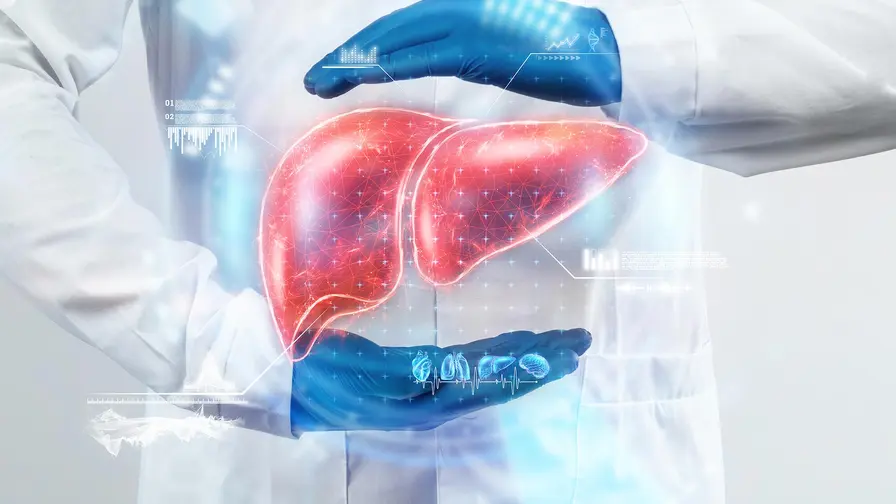
TOFA alone lowered fasting glucose and insulin, improved glucose tolerance, and reduced fat in the bloodstream and in the liver. In separate tests, signs of fatty liver disease, including inflammation and early scarring, were diminished. Combining TOFA with appetite-suppressing drugs produced larger weight and metabolic benefits than any single agent in the short experiments the team ran.
Those combination studies hint at a simple logic: semaglutide and tirzepatide reduce energy intake, while TOFA appears to increase energy expenditure. Use both, and the body may be nudged on two fronts. But the researchers caution that their combination experiments were short and small, and that all in vivo work reported so far used male mice only.
What remains unknown
TOFA has been known to science since the 1970s and used as a research tool in laboratory biochemistry. What is new is the observation that a single molecule can both tamp down fat creation and activate fat-burning programs in cells. When the team tried to reproduce the effect by pairing one agent that slows lipogenesis with another that promotes fat oxidation, the result fell short. That suggests a unique property of TOFA, perhaps a particular pattern of molecular signaling, that two separate agents cannot easily mimic.

Which cellular pathways account for the full increase in energy expenditure is still an open question. The compound does not appear to make muscle tissue directly more resistant to breakdown; rather, because the mice kept eating, the weight loss was primarily from adipose tissue. TOFA has not been tested in humans. Its safety profile is uncharacterized, and the minimal effective dose in larger animals is unknown.
The study discloses that Näär and two co-authors are co-founders and equity holders in ReRx Therapeutics, a startup developing TOFA as a potential therapy. The investigators plan toxicology and efficacy studies in rats and larger mammals before any human trials can begin.
Expert Insight
“This is an intriguing proof of principle,” says Dr. Lena Ortiz, a metabolic physiologist not involved in the study. “The idea of shifting the body's energy accounting, rather than simply cutting intake, opens a complementary avenue for obesity treatment. But translating a lab molecule into a safe, effective drug requires careful toxicology and mechanism work. The mouse is a starting point, not the finish line.”
Ortiz’s comment highlights the standard pipeline of drug development. Before human trials, researchers need clear toxicology in at least two species, dose-ranging studies, and a mechanistic map that explains off-target risks. Until those steps are done, TOFA must be considered a research compound with therapeutic potential, not a treatment.
Conclusion
TOFA offers a different conceptual approach to weight management: increase the calories the body expends after eating, rather than only reducing caloric intake. In mice, that dual effect trimmed fat stores, improved glucose control, and reduced liver fat, without causing obvious loss of lean mass. The work invites further investigation into molecular mechanisms and safety, especially in female animals and larger species. If the findings hold up through standard preclinical testing, TOFA or related molecules could become part of combination therapies that pair appetite modulation with enhanced energy burning.

“My work centers on sustainability, energy, and environmental science — examining how innovation can lead to a greener future.”

Discussion
Leave a Comment
Comments
No comments yet. Be the first.