
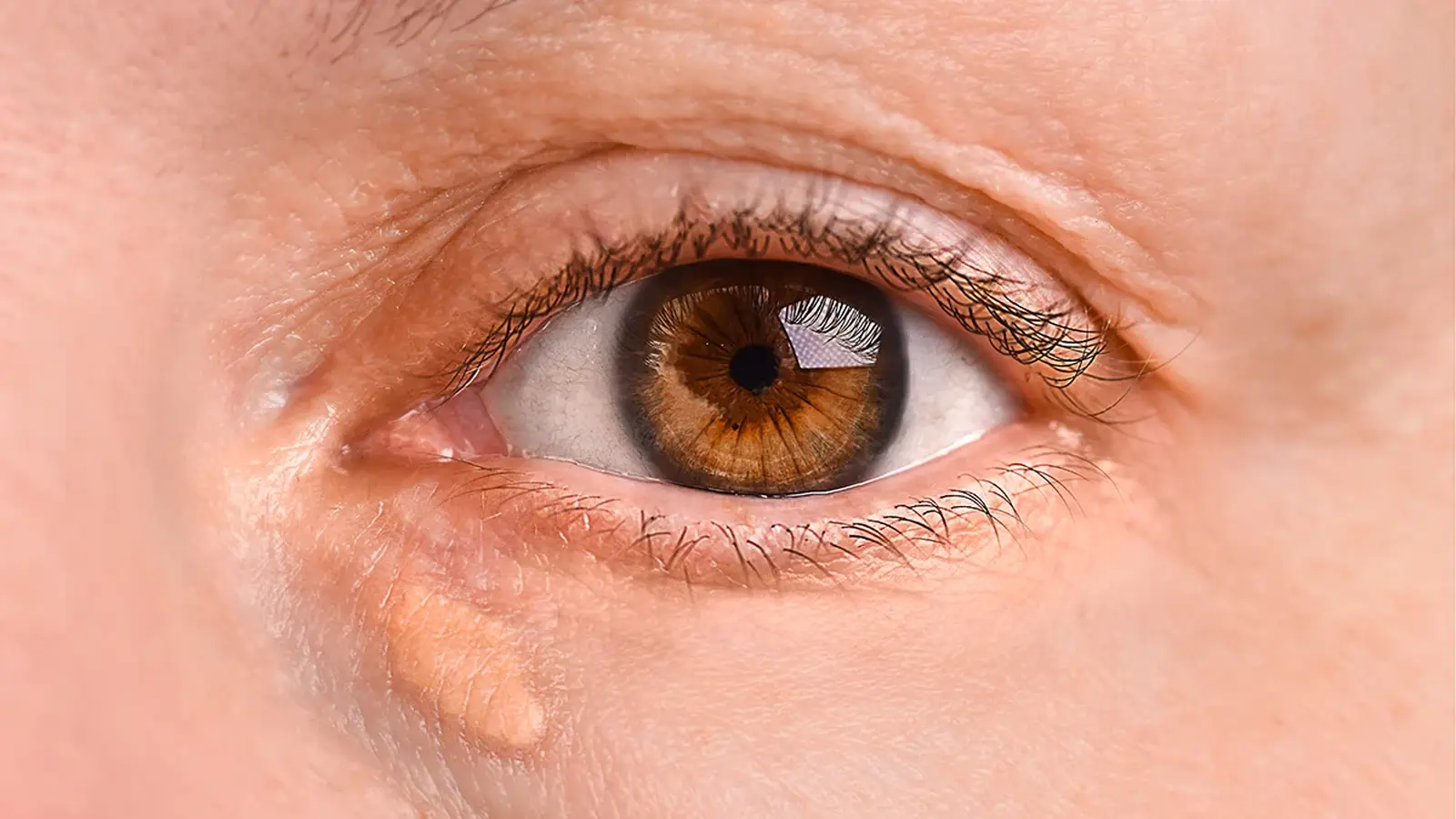
Xanthelasma may look like a cosmetic oddity: soft, pale-yellow bumps resting on the eyelids. But new research suggests those small deposits could be a visible alarm, signaling a higher chance of heart attack and stroke down the road.
The condition forms when immune cells called macrophages gorge on cholesterol and other lipids, turning into the yellowish lumps doctors recognize on the eyelid skin. That same process—fat accumulating inside immune and vascular cells—plays a central role in atherosclerosis, the gradual clogging of arteries that underlies most heart attacks and strokes. So researchers at Stanford decided to test whether the eyelid sign and vascular disease were linked in real-world patients.
A visible clue with hidden implications
The team analyzed health records for 17,925 people diagnosed with xanthelasma and compared them to an equal number of matched controls. Controls were selected from patients seen for presbyopia, a routine eye condition that ensured both groups had undergone eye exams and that the comparison group did not have xanthelasma.
What they found was stark, if numerically modest. In the first year after diagnosis, about 1.0 percent of people with xanthelasma had a heart attack, compared with roughly 0.35 percent of controls. Stroke occurred in about 0.95 percent of the xanthelasma group versus 0.30 percent of controls. Transient ischemic attacks, or mini-strokes, were recorded in roughly 0.6 percent of those with the eyelid deposits and 0.19 percent of people without them.
Those percentages sound small. They are. But relative risk matters: for these outcomes the xanthelasma group faced several times the probability of major cardio-cerebrovascular events, and the elevated risk persisted at five and ten years of follow-up.
The pattern held whether or not patients had diagnosed high blood lipids, suggesting xanthelasma is not simply a cosmetic sign of untreated hypercholesterolemia. Instead, the eyelid deposits may mark a broader biological tendency toward problematic fat handling or localized inflammatory responses that also promote atherosclerosis.
The researchers write that xanthelasma is associated with both short- and long-term increases in major adverse cardiac and cerebrovascular events, and they argue the sign could be useful for early risk stratification and preventive care. Many patients with xanthelasma are seen only by dermatologists for appearance-related reasons; the study suggests that visit is an opportunity to screen and, if needed, treat underlying cardiovascular risk factors.


The patches that characterize xanthelasma are filled with cholesterol and other fats.
What this means for patients and clinicians
If you or someone you care for has xanthelasma, what should happen next? First, do not panic. The eyelid lesions themselves do not cause heart attacks or strokes. They are markers. They point toward risk that can often be mitigated.
Practical steps include a targeted cardiovascular workup: fasting lipid panel, blood-pressure assessment, evaluation of diabetes risk, and a thoughtful review of family history and lifestyle. Where appropriate, clinicians may recommend lifestyle changes, such as a Mediterranean-style diet, regular exercise, smoking cessation, and weight management. In many cases, statins or other lipid-lowering medications will be considered to reduce atherosclerotic risk.
From a population-health perspective, the study highlights a low-cost screening cue. A simple eye exam that notes xanthelasma could trigger preventive measures long before a catastrophic event occurs. That is the core promise: spotting disease early when interventions make the biggest difference.
Expert Insight
Dr. Elena Cortez, a cardiologist who was not involved in the study, says: "This work connects a dermatologic sign to systemic vascular health in a convincing way. Clinicians should treat xanthelasma as more than cosmetic. It is an invitation to assess traditional cardiovascular risk factors and, where indicated, begin preventive therapy. Early action saves lives."
The study authors also emphasize the need to understand mechanisms. Why do some people with normal blood lipids still develop xanthelasma and later cardiovascular events? Candidates include local skin lipid-handling differences, genetic predispositions that affect how macrophages process cholesterol, or other inflammatory pathways that run in parallel with atherosclerosis. Further research will be needed to untangle cause and effect.
Conclusion

Xanthelasma may be small and often dismissed as cosmetic. Yet this visible sign provides clinicians with a window into a patient’s vascular health. Recognizing the link to atherosclerosis, and acting on it with screening and prevention, offers a practical route to reduce future heart attacks and strokes. In short: look closer at the eyelids; they might be telling you something important about the heart.

“My work centers on sustainability, energy, and environmental science — examining how innovation can lead to a greener future.”

Discussion
Leave a Comment
Comments (2)
hmm is this really causal? sounds like xanthelasma could be a marker, but were meds, smoking and SES fully adjusted for? curious to see more data.
wait, my eyelid bumps could mean heart risk? didn't expect that. gonna ask my doc, kinda nervous but glad there are steps to fix it.