
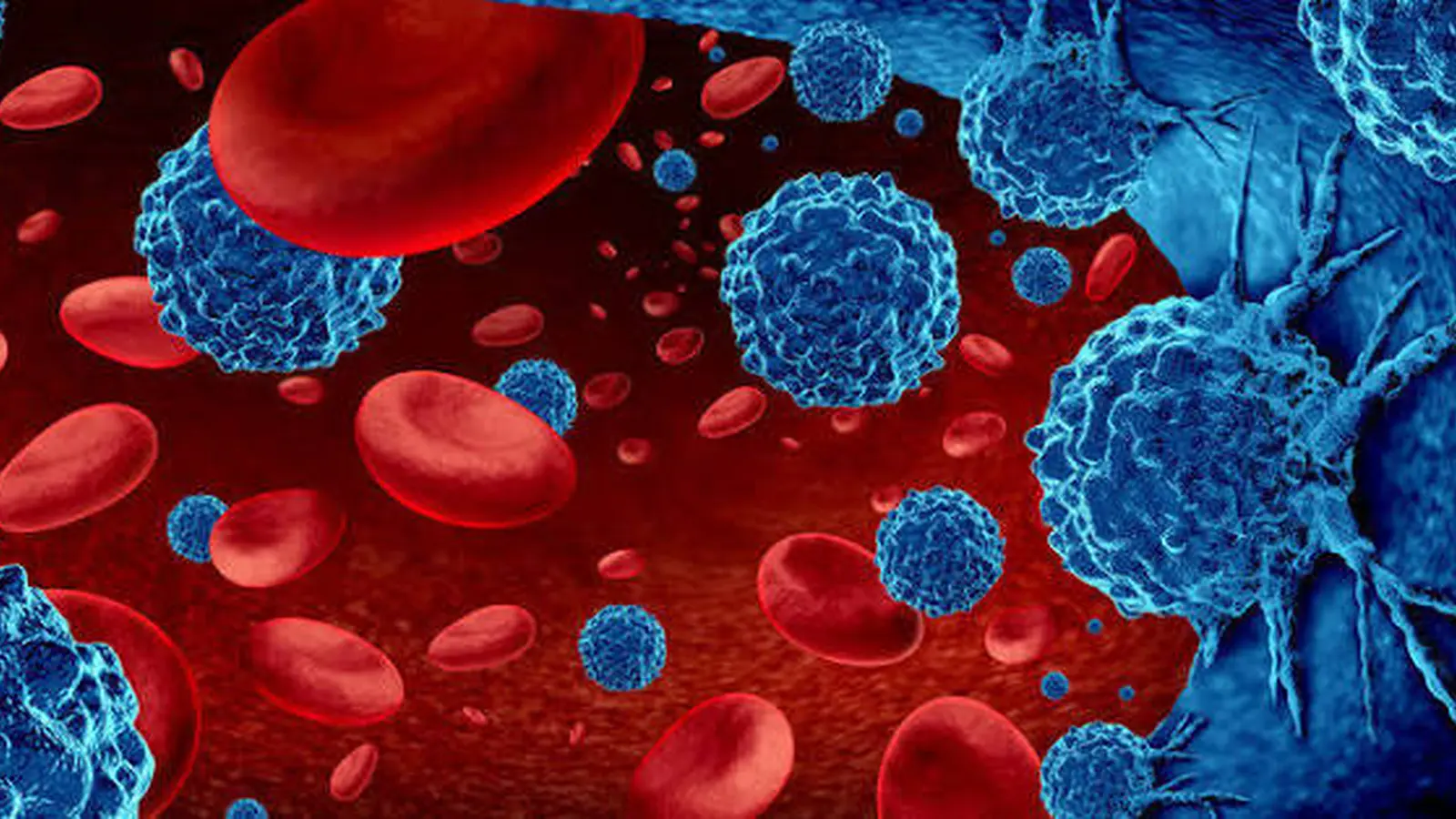
A single experiment that refused to behave upended a textbook assumption about how immune cells find cancer. Scientists expected leukemia cells to become invisible if they removed the molecular flags T cells normally read. Instead, the immune attack kept happening.

A genome-wide screen identified CD64 as a key factor in an unconventional form of T cell–mediated leukemia killing.
That stubborn result sent researchers at The University of Texas MD Anderson Cancer Center down a path that revealed a second highway by which T cells can recognize and destroy acute myeloid leukemia, or AML. The discovery, now reported in Proceedings of the National Academy of Sciences, points to CD64 — a receptor usually associated with early myeloid cells — as a critical player in a previously unrecognized killing mechanism that still requires an intact T cell receptor.
A surprising experiment and what it showed
Remove the major histocompatibility complex and a cancer cell should vanish from a T cell's view. That is the basic biology most immunologists learn early on: MHC molecules present peptide fragments that the T cell receptor, or TCR, inspects. No MHC, no recognition. Simple.
It was not simple in this case. Activated T cells continued to eliminate AML cell lines and primary tumor samples even after the researchers knocked out MHC molecules. The phenomenon appeared across samples from relapsed cases and from leukemias carrying high-risk mutations. If conventional MHC presentation was absent, how were T cells still killing?
First suspects were natural killer cell pathways, since NK cells can act without MHC. But disabling multiple NK-related routes did not stop the T cell attack. Then the team tested whether the TCR itself was dispensable. Removing the TCR abolished the killing. The paradox was clear: TCR signaling remained essential, yet recognition did not follow the usual MHC-dependent rules.
Finding CD64 with a genome-wide CRISPR screen
To locate the missing component, the researchers turned to an unbiased genome-wide CRISPR loss-of-function screen. They edited AML cells, exposed them repeatedly to T cells, and tracked which edits let leukemia cells survive the assault. The top hit was CD64, together with genes tied to interferon-gamma signaling.
When CD64 was removed from otherwise sensitive AML cells, those cells became resistant to T cell killing. Conversely, introducing CD64 into cells that were normally resilient made them vulnerable. The pattern pointed to a second route: T cell-mediated cytotoxicity that depends on CD64 and on active TCR signaling but bypasses classical MHC-dependent antigen presentation.

“By chasing a simple, unexplained observation, we challenged a basic assumption about how T cells can recognize and kill tumor cells,” Cassian Yee, M.D., said. “The freedom to explore things that aren’t conventional is what drives innovation, and this contrarian finding is an example of that, with broad implications for overcoming immune resistance in leukemia and possibly other cancers.”

Cassian Yee, M.D.
Why this matters for AML treatment
AML begins in the bone marrow and can progress rapidly. While targeted therapies and stem cell transplantation have improved outcomes for some patients, relapse and immune escape remain major hurdles. Tumor cells frequently downregulate MHC to avoid T cells — a common immune-evasion strategy that undermines many immunotherapies.
The identification of a CD64-dependent pathway offers two immediate implications. First, it provides a mechanistic explanation for observations that donor immune cells can sometimes eradicate leukemia after transplantation even when conventional antigen presentation is defective. Second, it opens a potential avenue to make T cell therapies more robust by harnessing or mimicking this alternative recognition route.
Important questions remain. How does CD64 interact with molecules that feed into TCR signaling? Is the CD64 pathway active in other cancers or restricted to myeloid lineage tumors? Can therapies be designed to increase CD64 expression on tumor cells or to engage CD64 directly on the immune synapse?
Expert Insight
"This is a striking example of biology refusing to fit our expectations," said Dr. Elena Marquez, an immunologist not involved in the study. "Clinically, the finding could shift how we think about resistance to T cell therapies. If we can learn to amplify or exploit the CD64 route, it may provide a new lever to overcome tumors that hide by shedding MHC."
Moving from discovery to therapy will require careful work: mapping molecular interactions, testing safety, and determining whether activating the CD64 axis risks collateral inflammation. Still, the path is now visible.
Conclusion
.webp "Engineered Progenitor Cells Offer Scalable Cancer Therapy")
The MD Anderson study reframes a basic immune question: recognition is not a single, unbreakable chain. T cells can use an alternate pathway involving CD64 plus TCR signaling to locate and kill AML cells even when conventional antigen presentation is gone. For patients and clinicians facing relapsed or resistant leukemia, that insight could become a foothold for the next generation of immune-based treatments.

“The cosmos has always fascinated me. I write about space missions, astronomy, and the technologies pushing humanity beyond Earth.”

Discussion
Leave a Comment
Comments (2)
Is this even real? knocking out MHC yet TCR still needed, where's the linking piece — if CD64 is it then show the mechanism, ok?
Wow this flips the script, CD64 stepping in? mind blown. Hope they can turn it into real therapies, fast pls