
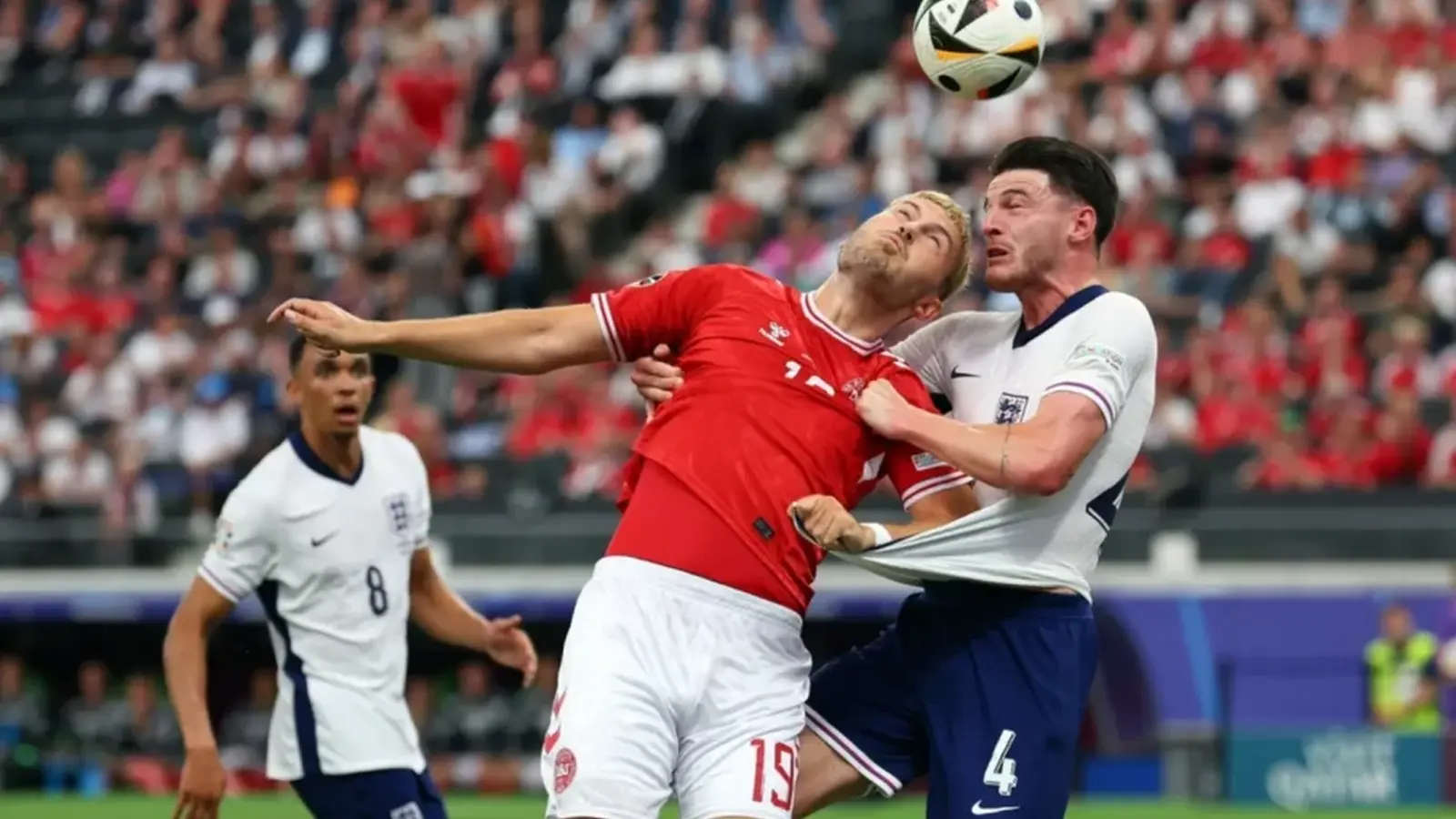
They traded stadium lights for quieter lives, but many former professional footballers say the noise in their heads did not fade. New research suggests that ex-players report significantly higher rates of depression and anxiety than people their age who never played contact sports, and some show measurable differences on brain scans.
A closer look at the study and what players reported
Researchers from Imperial College London evaluated 142 former professional footballers aged 30 to 60 and compared them with 56 control participants of similar ages who had no history of contact sports, military service, head injury, or neurological conditions. The athlete group included 126 men with at least three years of full-time professional experience and 16 women who had played in the top two tiers of women’s football in Britain.
Self-reported symptoms told a stark story. Nearly one-third of the former players had depressive symptoms at a level consistent with clinical depression. The control group showed that pattern in only 9 percent of participants. Anxiety criteria were met by 42 percent of the ex-professionals, compared with 25 percent in controls. Players also described greater difficulties with planning, concentrating, problem-solving, and managing daily tasks when speaking about their lived experience.

Yet standard cognitive tests painted a different picture. On memory and formal thinking assessments, the two groups performed similarly. That mismatch is important. It suggests that routine neuropsychological screening may miss problems that affect daily life and that self-report questionnaires add a distinct and necessary perspective.
Lead author Cali Gracy Lynch noted that while cognitive test scores were not dramatically different, participant reports and imaging findings point to measurable effects on brain health in middle age, well before conditions such as dementia typically appear. The implication is clear. Symptoms can precede detectable declines on standard tests.

What the brain scans revealed and why it matters
MRI scans showed subtle structural differences in some former players. The research team observed evidence consistent with reduced brain volume in regions vulnerable to repeated impacts. Scientists cautioned that these patterns could reflect neurodegeneration from repetitive head trauma, but they stopped short of assigning cause until longer-term studies confirm the link.
Football exposes players to both intentional and accidental head impacts. Heading the ball is routine. Collisions with opponents, the ground, or goalposts happen too. Millions of people worldwide play football recreationally and professionally. Physical activity is widely beneficial for cardiovascular and mental health. Yet contact sports also carry a risk: cumulative head impacts might contribute to mood disorders and subtle brain changes, long before classic neurodegenerative symptoms emerge.
What should clubs, clinicians, and players take from this work? First, monitoring mental health in retired athletes needs to be a priority. Second, clinical evaluation should include both objective testing and careful questioning about daily cognitive struggles. Finally, public health and sports governing bodies should invest in longitudinal research to track outcomes over decades and to test interventions that lower risk.
Expert Insight
Dr. Emma Carter, a neurologist who studies sports-related brain injury, commented on the findings. "This study fills a gap between what people feel and what routine tests capture. Persistent anxiety and depression in middle age deserve attention, especially when imaging hints at structural change. We need longer-term follow-up and practical strategies to reduce exposure to repeated head impacts without taking the heart out of the game."
Conclusion

The Imperial College London study does not close the case on cause and effect. It does, however, raise alarms that cannot be ignored. Former professional footballers report substantially more depression and anxiety than matched peers, and some carry brain changes visible on MRI. For clinicians and sports organizations, the path forward is clearer: combine sensitive symptom screening, targeted imaging when indicated, and long-term tracking to protect brain health while preserving the benefits of sport.

“The cosmos has always fascinated me. I write about space missions, astronomy, and the technologies pushing humanity beyond Earth.”

Discussion
Leave a Comment
Comments (2)
is this even causal though? players have different lifestyles, meds, booze etc. MRI changes could mean lots of things, needs long term followup
wow didnt expect so many ex-players with depression. The bit about tests missing real life struggles hits hard... head impacts linger, huh