
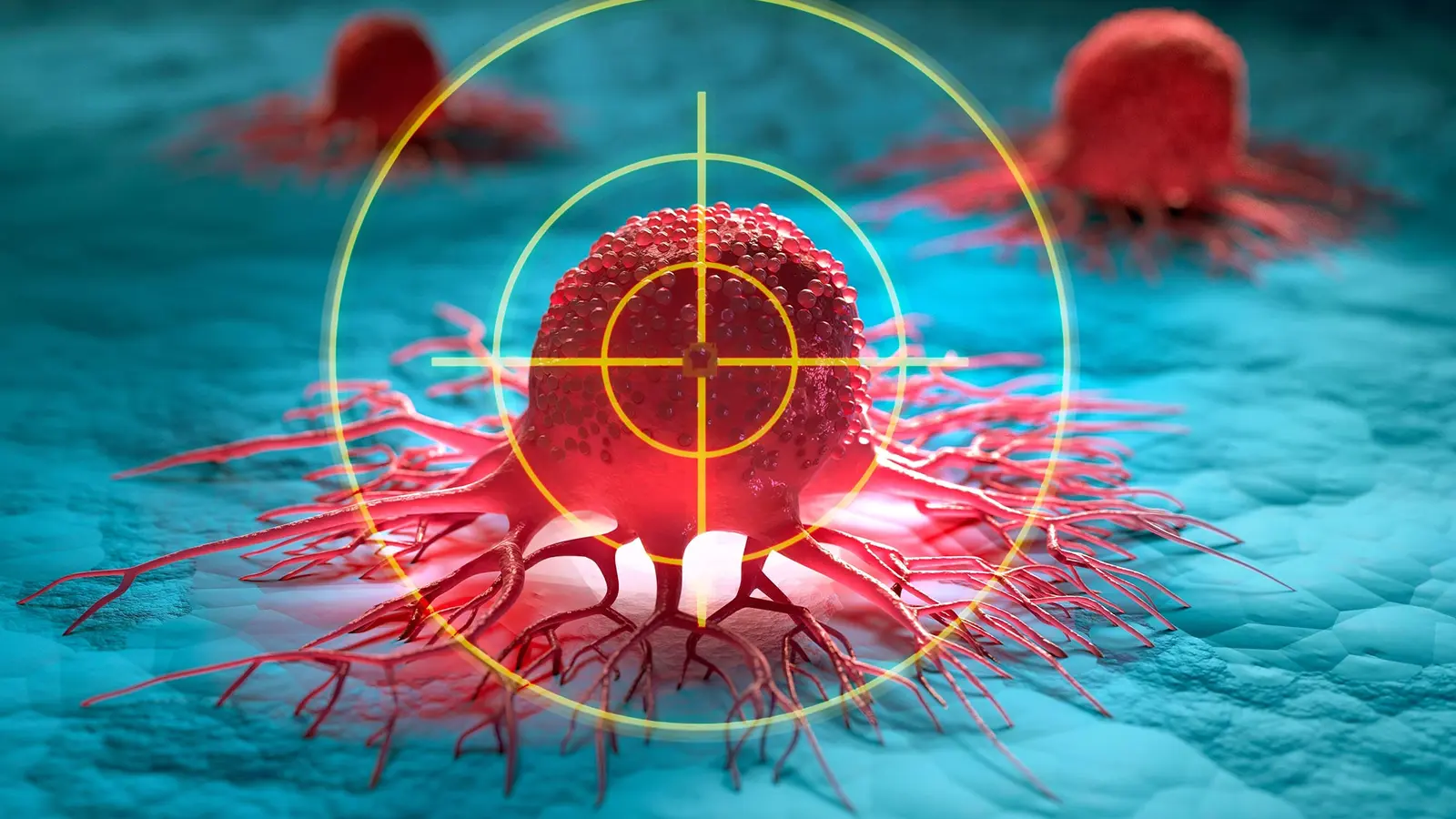
Stanford Medicine researchers and colleagues have discovered a way to supercharge natural killer cells (above) to kill solid tumor cells.
Imagine immune cells that behave like rapid-response teams, slipping past a fortress wall and striking the enemy from the inside. That image may sound dramatic, but it describes new work from Stanford Medicine that reprograms natural killer cells so they become residents inside solid tumors and attack cancer cells more effectively.
Turning a fast but fragile defender into a persistent intruder
Natural killer cells, abbreviated NK cells, were discovered in the 1970s and named for their ability to recognize and destroy abnormal cells without prior training. They are quick. They act before slower adaptive responses mobilize. But when it comes to solid tumors, these mobile sentinels usually fail to gain the upper hand. Solid cancers act like fortified citadels: physical barriers, suppressive signals and altered tissue chemistry block immune access and blunt the function of cells that make it inside.
The Stanford team decided to build a different kind of NK cell. Instead of relying on circulating NK cells that patrol the blood, they converted donor NK cells into a tissue-resident form that thrives in the tumor microenvironment. Tissue-resident immune cells are already known to live in places such as skin, mucous membranes, lungs and liver. In some contexts they dampen immunity; in others they mount powerful local responses. The critical question: can researchers coax NK cells toward the tumor-fighting phenotype?

Finding the right recipe
Not all tissue-resident NK cells are helpful. Some appear inhibited, even suppressive. The Stanford group found that the difference comes down to how NK cells encounter signals in the tumor microenvironment, and chief among those signals is a protein called transforming growth factor beta, or TGF-beta.
TGF-beta is a multitasking regulator released by many cell types, including tumor cells. Too much of it cripples NK cells. Too little leaves them in a circulating state. What the researchers describe is a Goldilocks effect: brief, direct contact with tumor epithelial cells supplies a pulse of active TGF-beta together with additional activation cues. That short exposure nudges NK cells into a tissue-resident, cytotoxic state, whereas prolonged TGF-beta exposure produces cells that are resident but dysfunctional.
“It’s a Goldilocks kind of thing where if you give just enough of a TGF-beta signal, then the natural killer cells become tissue resident with strong toxic activity against malignant cells. If you give too much TGF-beta, they’re still tissue resident, but they’re inhibited and dysfunctional, and they don’t kill,” said John Sunwoo, MD, senior author of the study.
What makes the enhanced NK cells lethal
When the team examined the cellular signatures that separate effective tissue-resident NK cells from the inhibited variety, they found both shared surface markers such as CD49a and CD103. The effective killers, however, carried CD39 and an abundance of cytotoxic machinery: perforin to puncture target cells and granzymes to trigger death. Functionally, these cells showed higher expression of molecules associated with direct cell killing.
.webp "Engineered Progenitor Cells Offer Scalable Cancer Therapy")
In lab-grown tumor organoids the engineered NK cells infiltrated the tissue layers and attacked malignant cells. When the cells were transferred into mice bearing human-derived tumors, the results were consistent. These enhanced NK cells slowed tumor growth across several tumor types, including melanoma and head and neck squamous cell carcinoma. The effect was reproducible and clear, Sunwoo noted.
Synergy with antibody therapy
The most compelling tumor suppression occurred when enhanced NK cells were paired with an antibody that marks cancer cells for immune destruction. In the experiments the team used cetuximab, a monoclonal antibody approved for metastatic colorectal cancer and advanced head and neck cancer. Cetuximab binds specific tumor proteins and helps immune cells recognize their targets. Combined with tissue-resident NK cells, a single treatment dose produced more durable tumor control than either approach alone over the course of a month in mice.
Importantly, treated animals did not show obvious adverse effects in those experiments. “Even at day 30, when the other mice were sick, the mice that received the combination seemed very healthy,” Sunwoo said, while cautioning that mouse results are only proof of concept for humans.
Off-the-shelf potential
A practical advantage of NK-cell therapies is that NK cells do not typically trigger the graft-versus-host responses that complicate donor T cell transfers. That makes them attractive for an off-the-shelf model: cells produced from healthy donors, expanded, cryopreserved and delivered to multiple patients as needed.
Sunwoo’s team estimates that cells from one donor could yield roughly 20 therapy doses in about two weeks. They have filed for a patent on the manufacturing approach and are preparing a Phase I clinical trial combining the enhanced NK cells with cetuximab for patients with advanced squamous cell carcinoma, pending Food and Drug Administration approval. If cleared, the trial could start by year-end.
Scientific context and implications
This work addresses two stubborn limitations of current cell therapies. First, many successful immunotherapies focus on blood cancers where malignant cells are accessible to immune effectors. Solid tumors pose a physical and biochemical barrier. Second, individualized therapies that require harvesting and engineering a patient’s own cells are expensive and slow. An NK-based, broadly manufactured product could widen access and reduce cost.
Still, challenges remain. Tumor heterogeneity means not all cancers will present the same surface proteins to which antibodies like cetuximab bind. The tumor microenvironment can evolve resistance mechanisms. And translating dosing, trafficking behavior and safety from mice to humans requires careful clinical testing.
Engineering detail without jargon overload
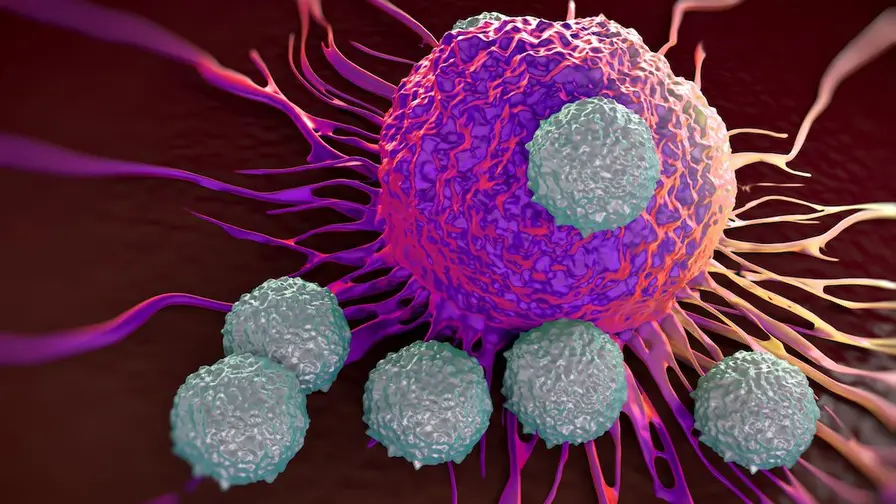
The heart of the protocol is deliberate control of exposure to tumor-derived signals rather than heavy genetic reprogramming. The researchers used circulating NK cells from healthy human donors and exposed them to combinations of cellular cues in vitro, including brief contact with epithelial tumor cells to trigger the beneficial TGF-beta pulse. The resulting tissue-resident NK cells displayed the functional hallmarks needed for killing malignant cells and the ability to persist in tumor tissues long enough to exert effects.
That approach matters because it offers a potentially scalable pathway. Genetic engineering can be powerful but adds complexity and regulatory hurdles. Producing effective cells through controlled conditioning could streamline manufacture and lower barriers to clinical deployment.
Expert Insight
“This strategy is clever because it leverages the tumor’s own signals to produce a more useful immune cell,” said Dr. Elena Morales, immuno-oncology specialist and science communicator. “Instead of fighting the microenvironment head-on, the method converts an otherwise suppressive cue into a short, beneficial instruction. It does not remove the problem but repurposes it. That subtlety may be central to improving responses in solid tumors.”
Limitations and unanswered questions
Key unknowns remain. How durable are the tissue-resident NK cells in human tumors? Do they persist long enough to produce meaningful clinical benefit, or will repeated dosing be required? Can other antibodies substitute for cetuximab, especially where tumors lack its target? Will the approach work across diverse tumor types that differ in their microenvironments?
Another consideration is safety. While NK cells are less likely than T cells to provoke broad immune reactions between donors and recipients, off-target effects and unforeseen interactions must be monitored. Human trials will need careful dose escalation and biomarker-guided monitoring to assess trafficking, persistence and systemic impact.
Where this could lead
If the Phase I trial shows safety and signs of activity, the next steps would be expanding to larger, controlled studies that compare the combination therapy to standard treatments. Manufacturers would also refine large-scale production and cryopreservation protocols to ensure consistent potency across batches. In parallel, researchers could test pairing enhanced tissue-resident NK cells with different antibodies, cytokine modulators, or checkpoint inhibitors to broaden their applicability.
The vision is an accessible, cell-based drug that is manufactured at scale, stored frozen and delivered when needed, much like many biologic therapies today. That model would reduce reliance on individualized manufacturing and could democratize access to cell therapy for patients with tumors that have been resistant to other immune-based approaches.
Conclusion
Stanford’s approach reframes a classic immunology problem: rather than avoid the tumor microenvironment, recondition immune cells to live and fight within it. By fine-tuning exposure to tumor-derived cues, researchers produced tissue-resident NK cells with enhanced killing ability, demonstrated activity in preclinical tumor models and built a plausible path toward off-the-shelf cell therapy. The leap from mouse to human will define whether this concept becomes a practical new tool against solid tumors, but the underlying idea is simple and powerful: change where immune cells live, and you change how they fight.

“The cosmos has always fascinated me. I write about space missions, astronomy, and the technologies pushing humanity beyond Earth.”

Discussion
Leave a Comment
Comments
No comments yet. Be the first.