Read MoreNora Schmidt2026-09-042Why Older Brains Keep the Story but Lose the DetailsA University of East Anglia study shows aging shifts autobiographical memory from vivid, context-rich episodes toward broader, semantic accounts—especially when people must switch between memory types.
Read MoreOliver Hayes2026-09-043When 'Low-Risk' Childhood Tumors Hide High-Risk CellsNew genomic analyses reveal that some rhabdomyosarcomas labeled 'low-risk' contain rare cell populations with high-risk behaviour. Single-cell and spatial techniques could refine diagnosis and treatment.
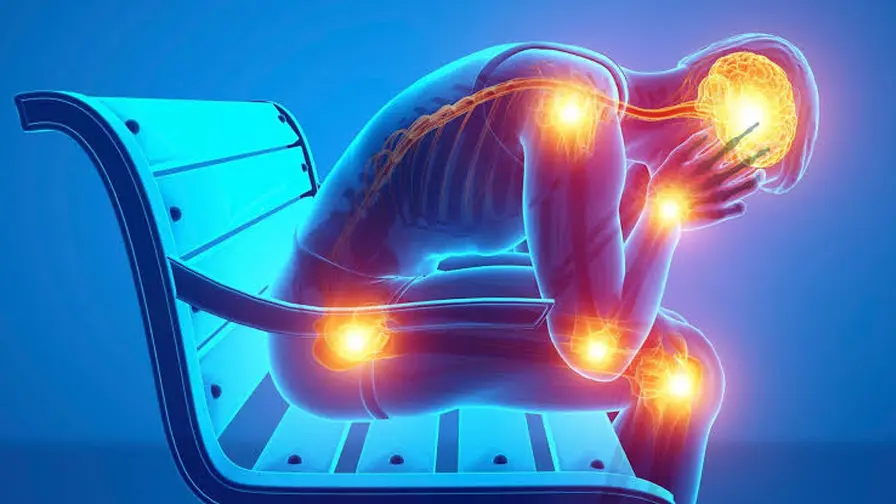
Read MoreNora Schmidt2026-09-042Skull Bone Marrow Emerges as Hidden Driver of Chronic PainNew imaging and tissue data indicate skull bone marrow shows elevated immune activity in people with chronic pain, linking TSPO signals to pain severity and suggesting a novel neuroimmune route for future therapies.
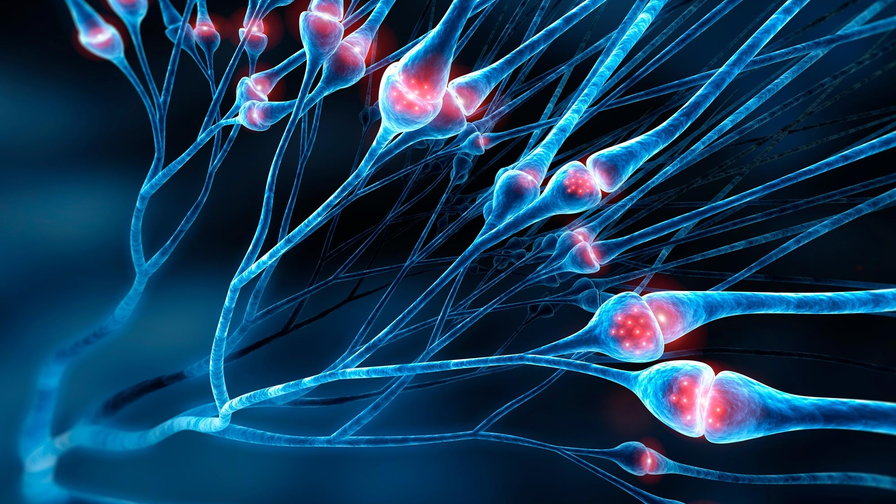
Read MoreOliver Hayes2026-09-033Adult Brain Still Makes Neurons; Depression Halts ThemNew research finds adult hippocampal neurogenesis slows in major depression, accompanied by molecular changes across memory circuits. The study maps altered genes and pathways that may guide future treatments.
Read MoreNora Schmidt2026-09-033How Fructose Primes the Gut to Absorb More Dietary FatA UC Irvine study shows intestinal fructose metabolism can reshape the gut microbiome and lacteals, increasing dietary fat absorption and linking sugar intake to obesity in a new mechanistic way.
Read MoreNora Schmidt2026-09-03Seed-Sized Injectable Could Transform Nerve TherapyResearchers at NYU Abu Dhabi and Cleveland Clinic Abu Dhabi describe a seed-sized injectable device that wirelessly stimulates specific nerves, offering a less invasive option for chronic pain and movement disorders.
Read MoreOliver Hayes2026-09-023US Rabies Cases May Be Vastly Underreported, Study FindsA new analysis suggests the United States may be confirming only a fraction of fatal human rabies cases. Transplant-linked infections expose diagnostic gaps and point to needed surveillance upgrades.
Read MoreNora Schmidt2026-09-022Cancer Protein BRAF: A New Target Against Chronic Nerve PainResearchers at MD Anderson identify BRAF, a protein linked to cancer, as a driver of neuropathic pain. Preclinical tests show BRAF and MEK inhibitors reduce pain sensitivity, pointing to potential drug repurposing.
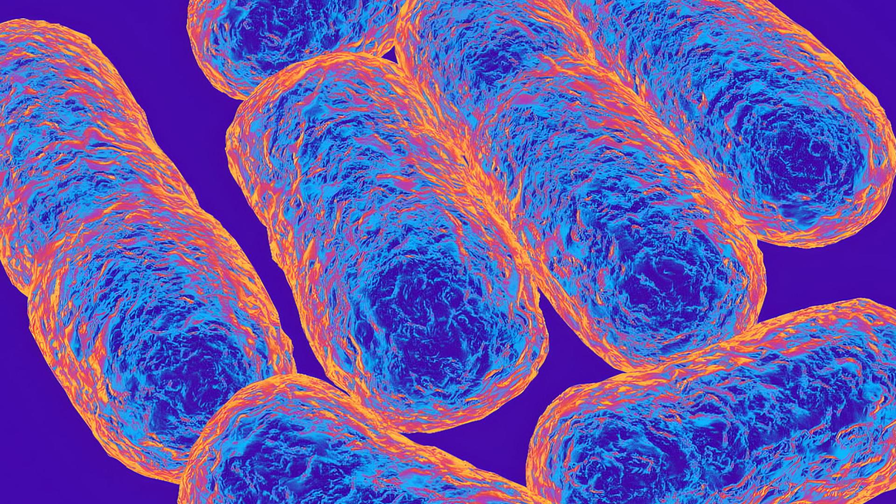
Read MoreNora Schmidt2026-09-012Magnetic Microbe Extends Worm Lifespan by 43% in StudyA magnetotactic bacterium, Magnetospirillum magneticum AMB-1, extended C. elegans lifespan by 43.39% by reducing iron accumulation and lipid peroxidation linked to ferroptosis, suggesting new aging interventions.
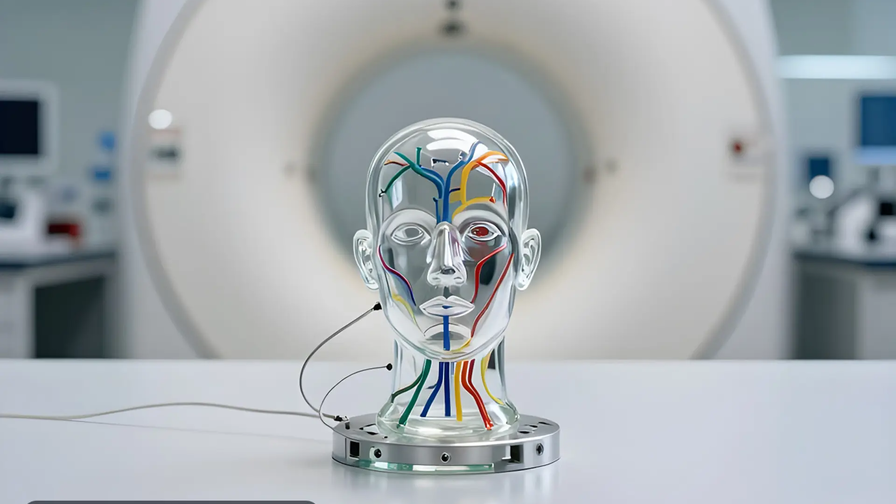
Read MoreOliver Hayes2026-09-01China’s MRI-Based Full-Stack Brain Interface UnveiledChina unveiled uMR Shenguan, an MRI-based full-stack brain-computer interface that records millisecond neural activity and submillimeter structure, enabling synchronized observation and intervention for research and clinical use.
Read MoreNora Schmidt2026-08-312Deep Sleep Brain Waves May Slow Alzheimer’s ProgressionA small study finds that strong deep sleep rhythms may weaken the link between elevated orexin and faster Alzheimer’s decline, suggesting sleep quality could influence disease progression and therapeutic strategies.
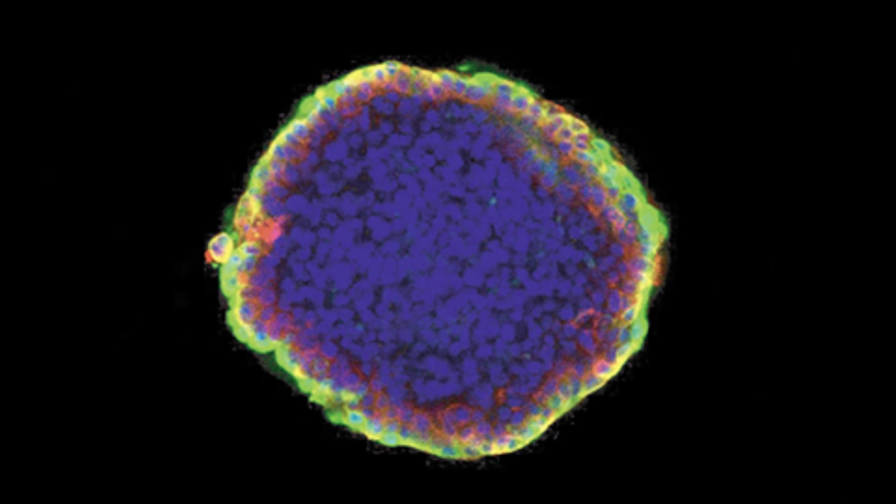
Read MoreNora Schmidt2026-08-312Tiny THC Pulse Reprograms Breast Tumors via CB2R SignalingA four-day, ultra-low-dose THC treatment nudges breast tumor organoids toward a less aggressive, more differentiated state by modulating CB2 receptor activity—effects that persisted in mice and boosted tamoxifen responsiveness.
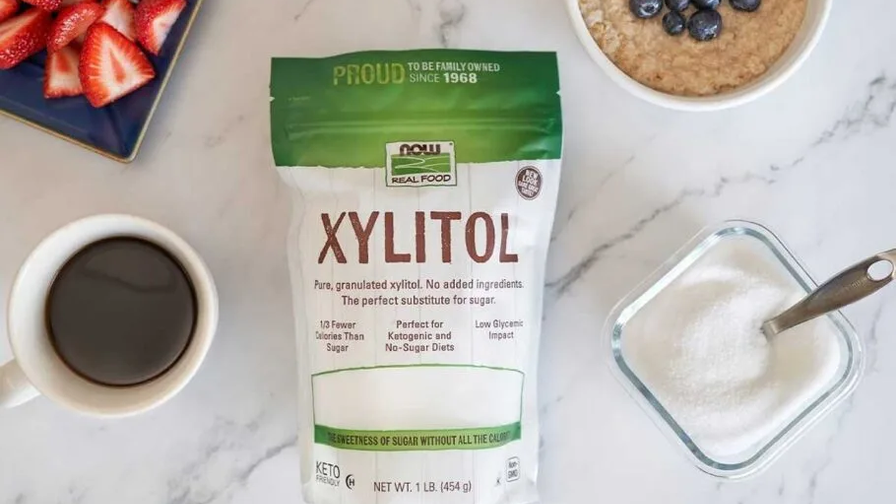
Read MoreOliver Hayes2026-08-312New Study Links Xylitol Blood Levels to Increased Heart RiskA study presented at ESC Congress in Munich links higher blood xylitol to increased risk of death, heart attack, and stroke. Researchers analyzed 17,000 people and found a 57 percent higher risk over six years in those with the highest levels.
Read MoreNora Schmidt2026-08-312Smart Gut Bacteria Could Rethink Type 2 Diabetes CareChinese researchers engineered an E. coli probiotic called GIFT that senses glucose and secretes a GLP-1-like peptide, offering a potential on-demand treatment pathway for type 2 diabetes; preclinical tests in mice and diabetic macaques show promise.
Read MoreOliver Hayes2026-08-302Why Partner Support Makes Weight Loss Easier for MenA new study from Anglia Ruskin shows partner involvement can help men overcome resistance to dieting. Practical household support—shopping, cooking, snack swaps—boosts adherence and weight-loss success.
Read MoreNora Schmidt2026-08-302High Social Media Use Linked to Higher Depression RiskAn 11-year analysis of 183,000 adults links daily social media use of 150+ minutes to higher self-reported depression. The study and a major settlement with Meta underline mounting concerns about platform design and youth safety.
Read MoreNora Schmidt2026-08-292Longer Exclusive Breastfeeding Linked to Fewer ADHD SymptomsA Norwegian cohort study of 37,600 families found longer exclusive breastfeeding up to six months was associated with modestly lower ADHD symptoms at ages three, five, and eight, even after genetic and sibling analyses.
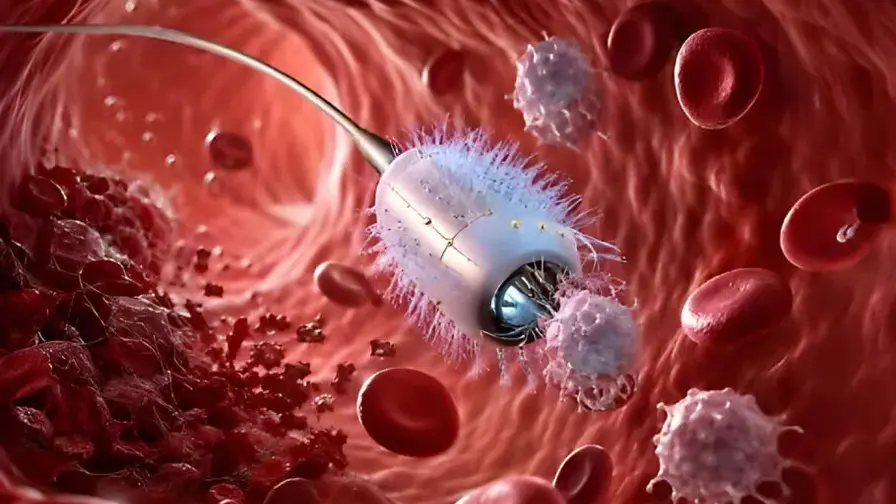
Read MoreNora Schmidt2026-08-292How CiliaVine Could Transform Targeted Drug DeliveryCiliaVine is a hairlike magnetic microrobot that can steer through blood vessels to trap circulating tumor cells, improve targeted drug delivery by up to 146 percent, and speed clot removal—early results are promising but clinical translation remains challenging.
Read MoreNora Schmidt2026-08-283Robotic Knee Surgery: Precision Without Better RecoveryThe RACER-Knee randomized trial shows that robot-assisted knee replacement increases implant placement precision but did not improve pain, mobility, or recovery at one year. Long-term follow-up continues.
Read MoreOliver Hayes2026-08-28Dual Stem-Cell Scaffold Restores Vision in Human TrialA first-in-human trial at Moorfields and UCL used a collagen scaffold carrying two stem cell types to treat aniridia-related keratopathy, improving ocular surface scores and vision in nine patients.