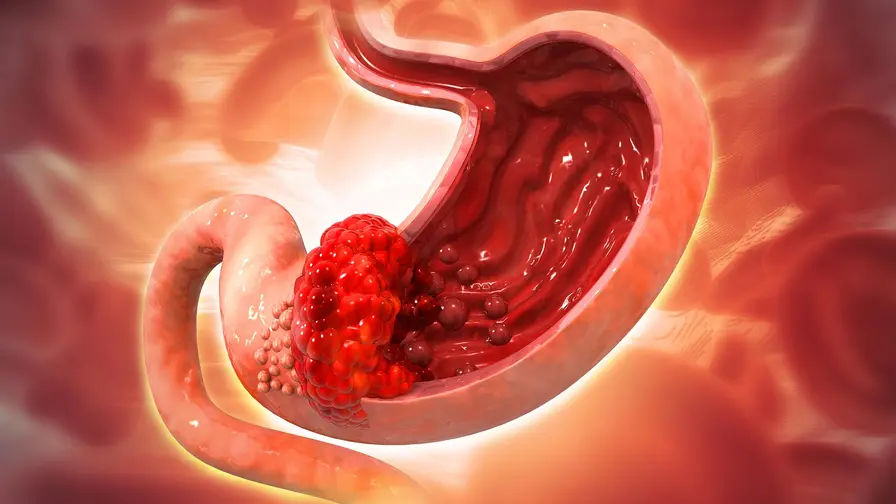
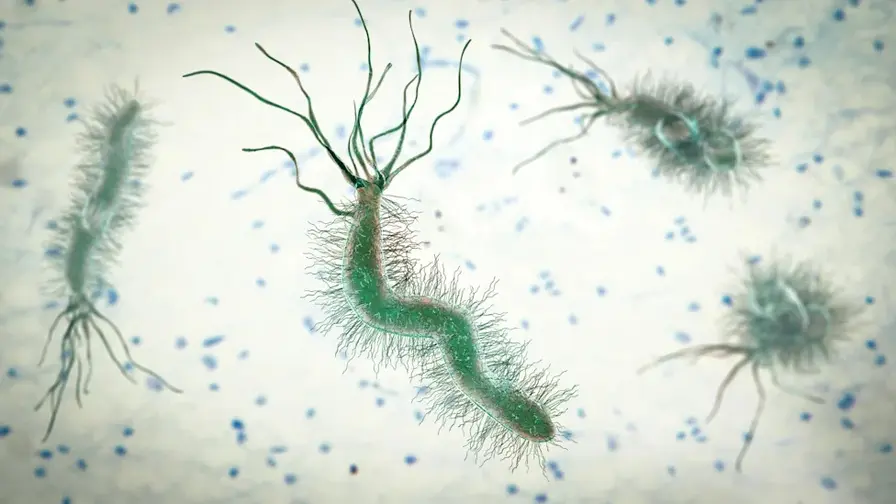
Read MoreOliver Hayes2026-10-043How a Common Stomach Bacterium Triggers Precancerous ChangeCharité researchers mapped how chronic Helicobacter pylori infection pushes stomach lining into a precancerous repair program. Insights reveal connective tissue as a signaling hub and suggest new prevention targets.
Read MoreOliver Hayes2026-10-042New Study: AI Chatbots May Trigger Severe Mental HarmUK researchers warn emotional relationships with AI chatbots can cause addiction-like dependency, worsen psychiatric symptoms, and in some cases be linked to self-harm. Study reviews Replika, ChatGPT, Claude, Character.AI and urges safety measures.
Read MoreOliver Hayes2026-10-032Cannabis Use Tied to Greater Risk of Violence, ReviewA King’s College review of 63 studies links cannabis use with higher odds of both committing and experiencing violence, highlighting implications for clinical assessment and public-health messaging.
Read MoreOliver Hayes2026-10-022Muscle Loss, Not Weight, May Signal Future Dementia RiskA major review of over 80 studies suggests declining muscle strength — sarcopenia — is linked to a higher risk of dementia, while obesity shows age-dependent effects. Preserving muscle may be a key prevention strategy.
Read MoreOliver Hayes2026-10-022High Blood Pressure May Drive Osteoarthritis ProgressionNew research links high blood pressure to faster cartilage loss in osteoarthritis via the AVP hormone and the AVPR1A receptor, suggesting a treatable biological pathway beyond wear and tear.
Read MoreNora Schmidt2026-10-012Why Memory Confusion Often Begins in Middle Age, New StudyNew brain-imaging research from Binghamton University finds that associative memory errors and unusual hippocampal reactivation patterns can begin by midlife, suggesting memory decline may start earlier than previously thought.
Read MoreOliver Hayes2026-09-301Pomegranate Compound Boosts Heart Function in HFpEF ModelsKing's College London researchers show urolithin A, generated after eating pomegranate and similar foods, improves heart relaxation and reduces fibrosis in HFpEF models. Human tissue tests suggest translational potential, but clinical trials are needed.
Read MoreNora Schmidt2026-09-292Five Infections Behind Millions of Global Cancer CasesA new global analysis finds infections accounted for 12 percent of cancers in 2024 – about 2.3 million cases. Five pathogens, led by H. pylori and HPV, explain most infection-linked cancers and point to prevention opportunities.
Read MoreOliver Hayes2026-09-29Could Age at Menopause Predict Brain Aging and Dementia RiskNew JAMA Network Open research links age at menopause with long-term brain changes, suggesting menopause timing might help identify dementia risk earlier and guide prevention strategies.
Read MoreNora Schmidt2026-09-272Sugar in Early Life Could Raise Anxiety Risk in AdultsA University of Surrey study links reduced sugar exposure in the first 1,000 days to lower adult anxiety risk. Historical sugar rationing shaped taste preferences and long-term mental health outcomes.
Read MoreOliver Hayes2026-09-272Ten-Minute Slow Jog Can Brighten Mood and Sharpen FocusA University of Tsukuba study finds 10 minutes of very slow jogging can boost mood and modestly improve attention by activating the prefrontal cortex, with practical implications for accessible mental-health strategies.
Read MoreOliver Hayes2026-09-262Vitamin C Tied to Better Survival in Early Blood CancersA phase 2 randomized trial found fewer deaths among people with precancerous or low-risk blood disorders who took 1,000 mg daily vitamin C. The result is exploratory and needs phase 3 confirmation.
Read MoreOliver Hayes2026-09-262Continuous Glucose Patterns May Reveal Hidden Heart RisksContinuous glucose monitoring reveals daily blood sugar patterns that may link to blood pressure and cholesterol changes in people without diabetes, pointing to new opportunities for early cardiometabolic risk detection.
Read MoreNora Schmidt2026-09-262New Study: Loneliness and Isolation Cut Healthy Years by SixA Tulane University analysis of 270,000 adults links loneliness and social isolation to roughly six fewer healthy years, with stronger effects on mental health and notable differences between women and men.
Read MoreOliver Hayes2026-09-253Multiple Healthy Diets Linked to Slower Biological AgingNew research links ten healthy dietary patterns to slower molecular aging measured by DNA methylation. Multiple diets, from Mediterranean to DASH, share cellular pathways that influence aging and disease risk.
Read MoreOliver Hayes2026-09-252New Review Links Heavy Mobile Use in Pregnancy to RisksA systematic review finds possible links between heavy maternal mobile-phone use and adverse pregnancy outcomes, but evidence remains inconclusive. Practical precautions and better studies are urged.
Read MoreOliver Hayes2026-09-243Lymph Nodes May Direct Tau-Related Brain Damage, StudyA WashU Medicine study finds that immune signals from lymph nodes, not just brain pathology, drive tau-related neurodegeneration in mice. Blocking peripheral dendritic cells protected neurons and cognition despite persistent tau tangles.
Read MoreOliver Hayes2026-09-242Blood Stem-Cell Molecule Sheds Light on Child Brain TumorsResearchers used a blood stem-cell molecule, UM171, to reveal how KBTBD4 mutations disrupt CoREST and keep cells stem-like in some childhood brain tumors, pointing to HDAC inhibitors as repurposing candidates.
Read MoreOliver Hayes2026-09-242Your Eyes Reveal Biological Age Better Than We ThoughtA Seoul National University study shows retinal scans can estimate biological age with about 2.5 years error. Mixing healthy and diseased images improved accuracy and linked larger retinal age gaps to diabetes, smoking, and eye disease.
Read MoreOliver Hayes2026-09-232How Every Breath Shapes Your Brain: New Neural MapA UC San Diego study shows that the precise shape of each breath maps onto brain electrical activity. This discovery links respiration morphology with cognition, memory, and potential clinical warnings for SUDEP and SIDS.