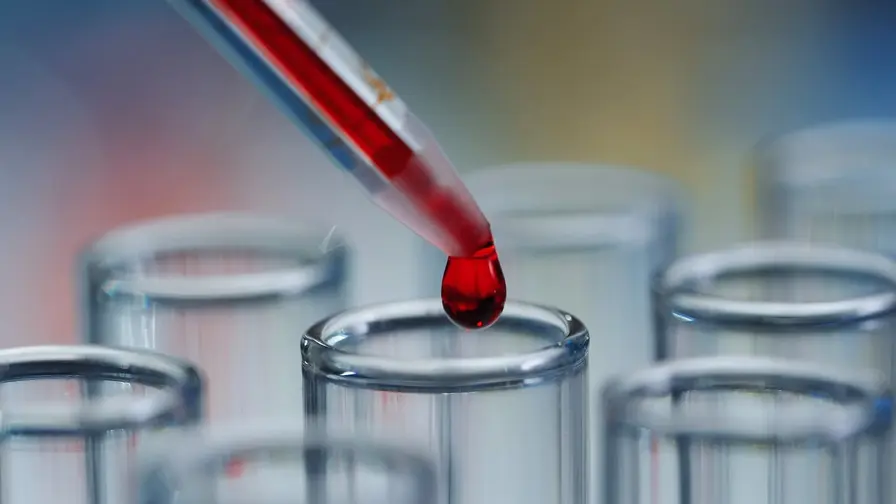
Read MoreNora Schmidt2026-09-222PANXEON: A New Blood Test to Detect Early Pancreatic CancerPANXEON, an investigational blood test combining microRNAs and CA19-9 with AI scoring, detected early-stage pancreatic cancer and precancerous changes in a large international trial. Results suggest potential for improved surveillance.
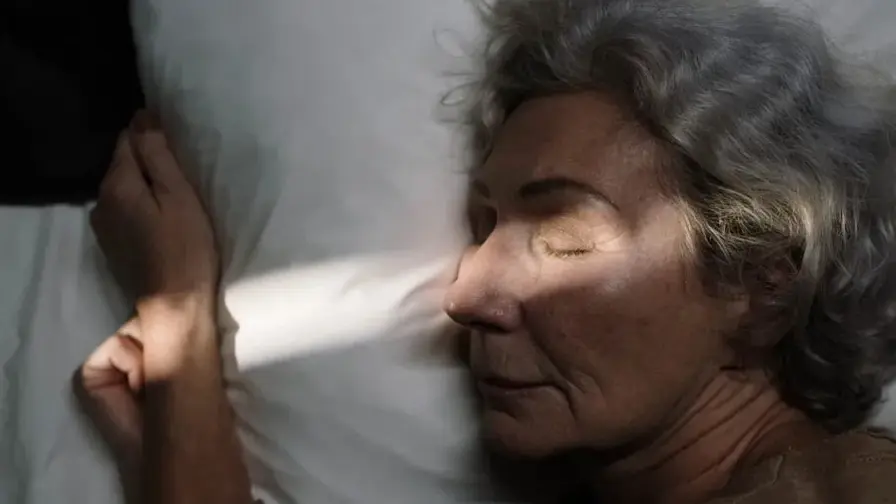
Read MoreOliver Hayes2026-09-222Sleep Beats Diet and Exercise as a Longevity SignalA county-level analysis from Oregon Health & Science University links sleeping fewer than seven hours a night with lower life expectancy, an association that remains after adjusting for exercise, education, and employment.
Read MoreNora Schmidt2026-09-212More REM, Better Health? Sleep Stages Predict Disease RiskA large UK Biobank analysis finds that sleep stages and patterns predict long-term disease risk. More REM sleep links to lower risk for 83 disorders; six to eight hours nightly appears optimal.
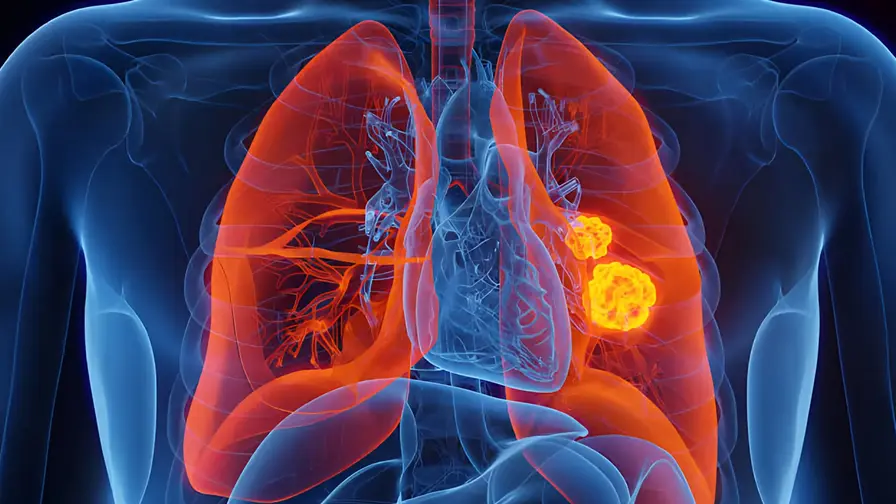
Read MoreOliver Hayes2026-09-212Rare EGFR Mutation Raises Lung Cancer Risk in NonsmokersScientists link a rare inherited EGFR T790M mutation to a greatly increased lung cancer risk in never-smokers. The discovery, published in Science, may inform screening and genetic counseling strategies.
Read MoreOliver Hayes2026-09-202Menopause May Pause Age-Related Gray Matter Loss TemporarilyLongitudinal MRI scans of over 1,000 people suggest that the transition to menopause coincides with a temporary slowing of age-related cortical gray matter loss, a finding that raises questions about hormones and brain plasticity.
Read MoreNora Schmidt2026-09-202How the Human Brain Grew from Two Ancient Neural SystemsStanford researchers discovered that the human brain develops from two separate cellular systems. This ancient split explains lab difficulties with hindbrain stem cells and opens new avenues for ALS and SMA research.
Read MoreNora Schmidt2026-09-192Smart Nanoparticles Reprogram Immune Cells to Fight CancerResearchers at the University of Adelaide engineered TREM2-targeted lipid nanoparticles that deliver mRNA for CXCL9 and the immune stimulant resiquimod to tumor-associated macrophages, reprogramming them to boost anti-tumor T cell responses in mice.
Read MoreOliver Hayes2026-09-182Your Blood Could Predict How Well Vaccines Work for YouResearchers found that preexisting antibody patterns in blood can forecast an individual’s likely response to COVID-19 vaccination. Broad antibody fingerprints and AI models may guide personalized vaccine strategies.
Read MoreOliver Hayes2026-09-172Bleeding Gums Linked to Higher Alzheimer's Risk, StudyA decade-long Japanese study finds links between bleeding or receding gums and higher dementia risk, including Alzheimer’s. The observational results point to inflammation and oral pathogens as possible mechanisms and underline the public health importance of periodontal care.
Read MoreNora Schmidt2026-09-173Low-Dose BPA Tied to Short-Term Insulin Sensitivity DropA randomized human trial finds that five days of low-dose BPA exposure reduced peripheral insulin sensitivity by about 9 percent, raising questions about the safety of current regulatory thresholds and the chemical's role in metabolic health.
Read MoreOliver Hayes2026-09-162Enough Night Light Can Stiffen the Heart, Study FindsA large UK Biobank study found that modest nighttime light exposure correlates with structural changes in the heart, including wall thickening and reduced flexibility. Simple, low-cost fixes could reduce risk.
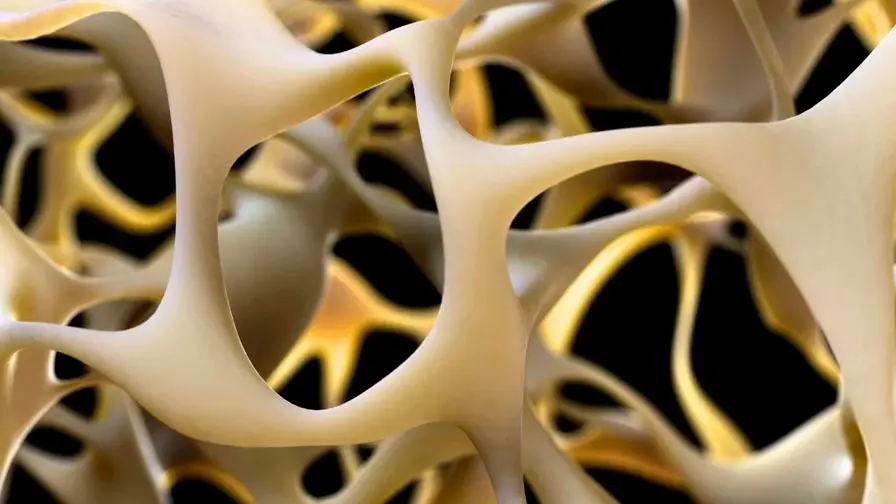
Read MoreNora Schmidt2026-09-163Edited Stem Cells Rebuild Bone in Advanced OsteoporosisA Phase 1 trial used patients' own mesenchymal stem cells, edited to restore a homing sugar, to promote trabecular bone repair. Results show safety and a 94 percent drop in fragility fractures in ten women.
Read MoreNora Schmidt2026-09-153How Oxalate in Everyday Vegetables May Worsen IBD SymptomsNew research links oxalate, a compound abundant in spinach and almonds, to worsened inflammation in Crohn's disease and ulcerative colitis, suggesting transporter defects and microbiome loss as key factors.
Read MoreNora Schmidt2026-09-142Widely Used Osteoporosis Drugs Linked to Lower Dementia RiskA large Hong Kong study finds that nitrogen-containing bisphosphonates, common osteoporosis drugs, are linked to lower Alzheimer’s and dementia risk in older adults. Findings prompt calls for trials.
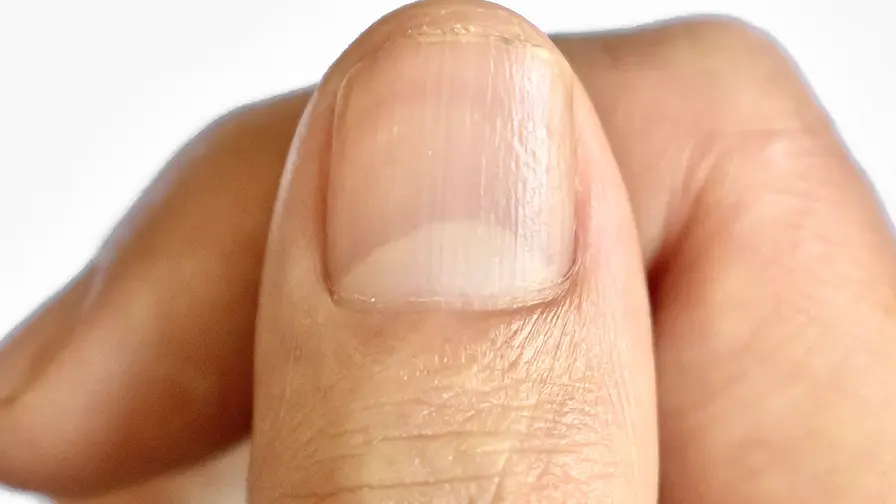
Read MoreNora Schmidt2026-09-142Why a Tiny Red Crescent on Your Nail Can Signal DiseaseRed crescents at the base of fingernails—lunulae—can signal underlying health problems from heart and liver disease to autoimmune disorders. A Rutgers review urges clinicians to check the sign and follow up with targeted tests.
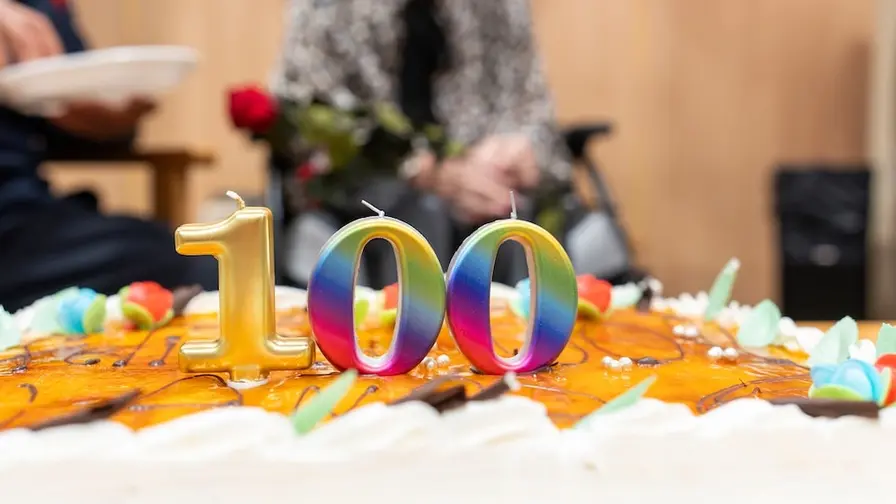
Read MoreNora Schmidt2026-09-133Children of Centenarians Live Longer, Healthier LivesA pooled analysis of three large studies finds that adults with a centenarian parent have lower risks of death, cardiovascular disease, and hypertension, suggesting inherited factors that delay some age-related illnesses.
Read MoreNora Schmidt2026-09-132Even Dim Light in Bedrooms Is Linked to Heart DamageA new large-scale study finds that even low levels of nighttime light—like phone screens or moonlight—are associated with structural changes in the heart. Simple bedroom-darkening steps may reduce long-term cardiovascular risk.
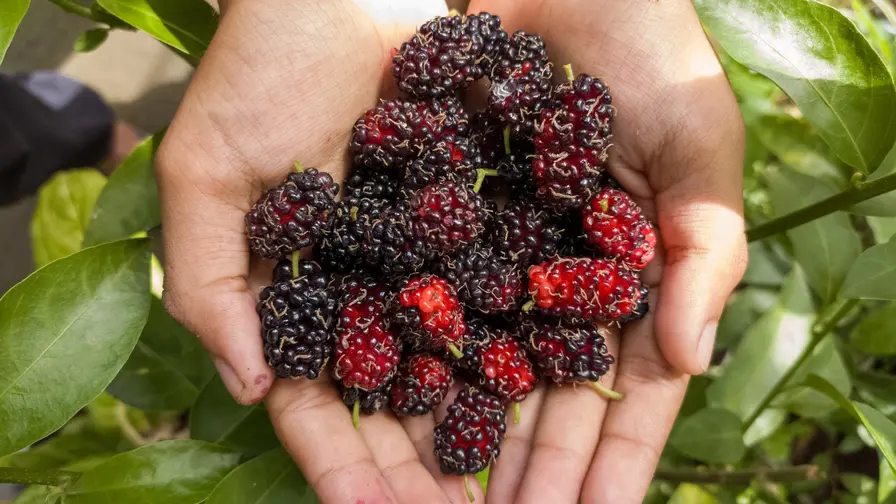
Read MoreOliver Hayes2026-09-122How Mulberry Shapes Gut Bacteria and Metabolism WorldwideResearchers find mulberry compounds can reshape gut microbes and metabolic signals, but effects depend heavily on species, plant part, and processing. Human trials with standardized extracts are needed.
Read MoreNora Schmidt2026-09-113Tumor Bacteria + Vitamin B2 Unlock Lung Cancer ImmunityJohns Hopkins researchers found that tumor-resident bacteria plus a vitamin B2 metabolite boost MR1 expression and activate MAIT cells, pointing to a potential new lung cancer immunotherapy strategy.
Read MoreOliver Hayes2026-09-112Common Stomach Bacterium Linked to Colorectal Cancer RiskNew pooled analysis links Helicobacter pylori exposure to a higher colorectal cancer risk, estimating about 22% of cases worldwide may be associated. Study highlights geographic and birth-cohort differences and calls for further research.